
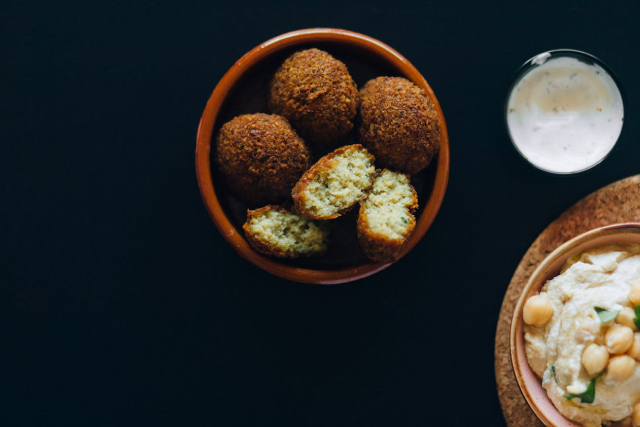
Lebanese cuisine is, at its heart, a celebration of balance; bright herbs against smoky grilled meats, creamy dips alongside tangy pickles, and a generosity of spirit that shows up in its sharing-style dining. The flavour matters, yes, but what’s equally important is how dishes come together on the table: mezze first to awaken the palate, followed by charcoal-grilled mains that anchor the meal. Yet, in a dining scene as varied as Singapore’s, not every Lebanese restaurant captures this harmony equally. Some lean towards fusion or crowd-pleasing adaptations, while others stay rooted in tradition, making it all the more important to be selective.
That is precisely where this 2026 guide comes in. We have curated a list of Lebanese restaurants in Singapore that we believe are worth your time and each is chosen for a distinct reason, whether it is unparalleled authenticity, atmosphere, or sheer indulgence. Beyond the recommendations, we have also included practical tips on how to choose the right spot, what to expect from the cuisine, and how to get the most out of your dining experience.
Quick Picks: Best Lebanese Restaurants in Singapore for Authentic Mediterranean Flavours
If you are shortlisting quickly, here is how we would break it down:
- Best for casual group dinners: Expect generous portions, relaxed settings, and menus built for sharing without overthinking the order.
- Best for first-timers: Look for approachable dishes, varied platters, and a lively atmosphere that eases you into the cuisine.
- Best for family-friendly dining: Spacious seating, broad menus, and something for everyone—ideal for mixed preferences.
- Best for date nights: A more refined ambience, thoughtful plating, and a slightly elevated overall experience.
- Best for authenticity seekers: Traditional recipes, imported ingredients, and a focus on heritage over presentation.
Each category reflects a different way to enjoy Lebanese food, and the right choice hinges on what suits the moment.
1. Tabbouleh Lebanese Restaurant
Best for: Casual group dinners and generous sharing platters
Estimated price: From $15++ to $35++ per person
Website: http://www.tabbouleh.sg/
Location: 54 Bussorah Street, Singapore 199470; Bugis MRT (~5-minute walk)
Why it made the list:
We like Tabbouleh for what it does best, which is bringing people together over hearty, fuss-free Lebanese food in Singapore that doesn’t try too hard yet consistently delivers on satisfaction. Sitting just off Bussorah Street, its unmistakable blue façade sets the tone for a dining experience that feels both lively and approachable. Between its original, more laid-back outlet and the newer, more polished space, we get flexibility depending on the mood, whether we are after a relaxed evening or something slightly more put-together.
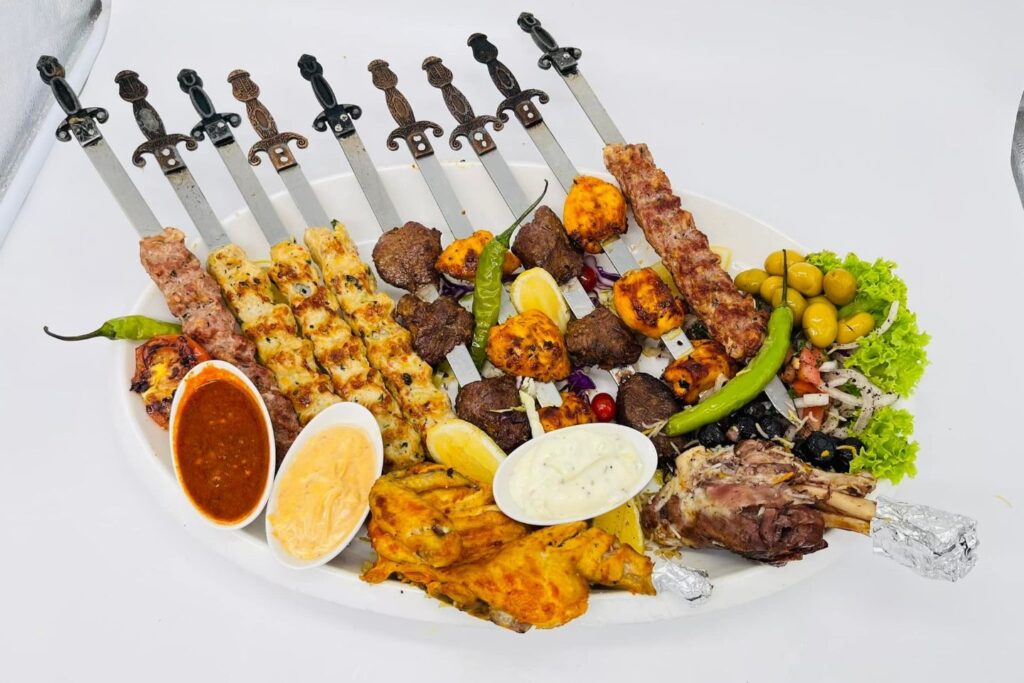
The menu leans into crowd-pleasers. The Mezza Platter Combo is an easy starting point, offering a well-rounded introduction to staples like hummus, babaganoush, and falafel. From there, we would move straight into the grilled meats. The Lamb Mandi stands out for its tenderness and aromatic spice blend, while the various mixed grill platters (particularly the Tabbouleh Special Mixed Grill) are built for indulgence, layering different cuts and marinades into one abundant spread. Even dessert holds its own; the kunafe, especially when paired with ice cream, strikes a satisfying balance between richness and restraint.
What to note:
While enjoyable, the food may not fully satisfy those seeking strict culinary authenticity. The largely alfresco setup can also feel weather-dependent, and indoor seating is somewhat limited during peak hours.
2. Anatolia Restaurant
Best for: First-timers who want a vibrant, all-in-one experience
Estimated price: From $25++ to $50++ per person (based on typical menu and positioning)
Website: https://anatoliarestaurantsg.com/
Location: 58 Arab Street, Singapore 199755; Bugis MRT (~5-minute walk)
Why it made the list:
Anatolia Restaurant offers a slightly more theatrical take on Mediterranean dining, and we find that part of its appeal. It leans into its Turkish-Lebanese identity with confidence, from the ornate interiors complete with Tiffany-style lamps and mural-lined walls to the energetic atmosphere that spills out into Kampong Glam. It is admittedly a touch touristy, but in this case, that works in its favour, especially if we are introducing someone to the cuisine for the first time.
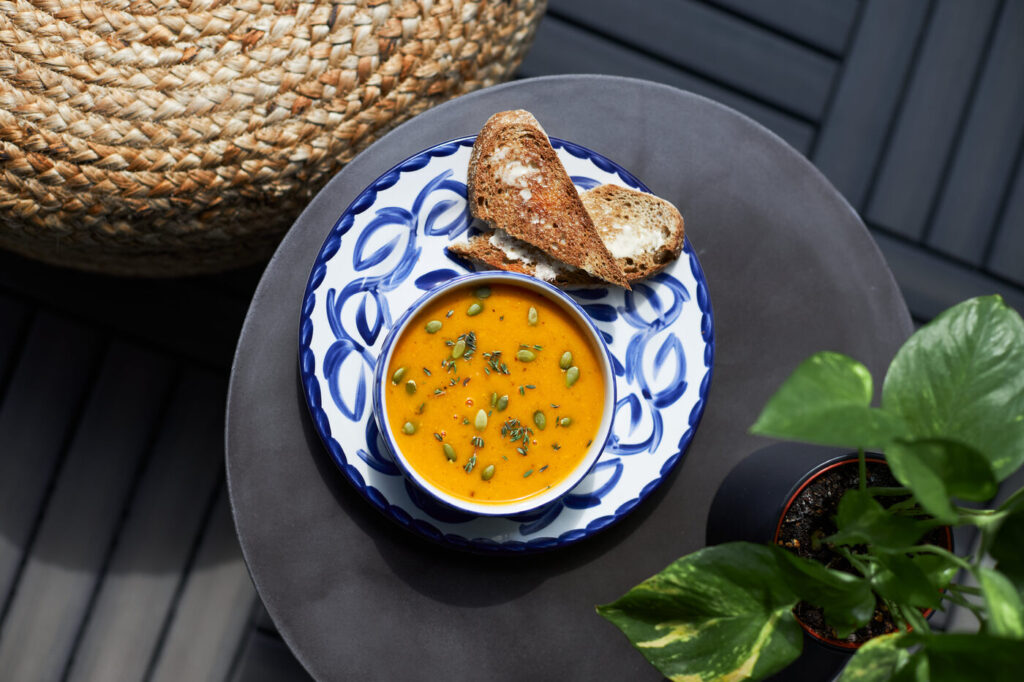
The food matches the setting in both scale and presentation. The Mezzar platter is a strong opener, showcasing a range of dips that emphasise smoky eggplant notes and creamy textures, all anchored by warm, soft lavash. For mains, the Mix Grill for two is where Anatolia truly makes its statement. Arriving with a dramatic flourish, it brings together a wide variety of meats—from lamb shish to chicken kebabs—each well-marinated and confidently grilled. We were particularly taken by the chicken, which is remarkably tender and subtly infused with herbs, while the lamb offers richness and depth.
What to note:
Service is generally warm, though small billing errors have been reported on occasion, so it is worth double-checking the final bill. Some diners may also find the ambience slightly over-the-top if they prefer a quieter, more understated meal.
3. BYBLOS
Best for: Family-friendly dining and larger gatherings
Estimated price: From $30++ to $60++ per person (based on menu range and dining format)
Website: https://byblosgrillsg.com/
Location: 14 Bussorah Street, Singapore 199435; Bugis MRT (~5-minute walk)
Why it made the list:
Byblos positions itself as a more expansive, experience-driven destination, and we appreciate how it caters to groups without sacrificing variety. Located near Sultan Mosque, it offers both indoor and outdoor seating, along with an upper-level event space that makes it particularly suitable for celebrations or corporate gatherings. The dual Turkish and Lebanese menus reflect its broader ambition, shaped by the culinary direction of Chef Mohamad Slim.
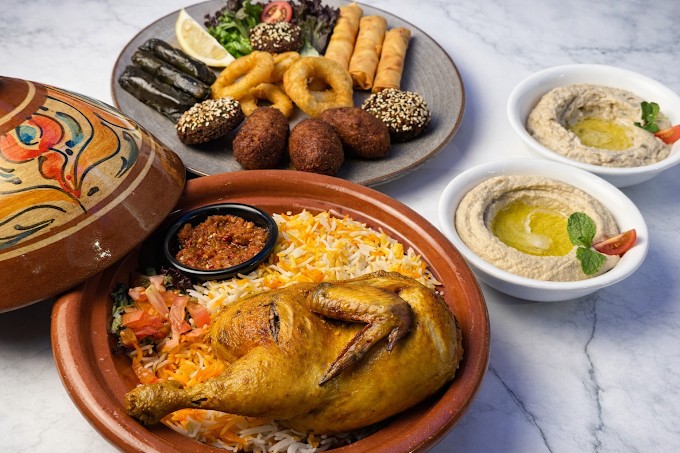
What stands out here is the breadth of the menu. The Byblos Mixed Grilled is a reliable centrepiece, bringing together an assortment of meats that highlight both Turkish and Lebanese grilling traditions. Beyond that, there is a willingness to go slightly off the beaten path. Dishes like Kibbeh Labhn introduce flavours that are less commonly found in Singapore, while staples such as Lamb Mandi and Chicken Kabsa continue to anchor the menu with familiar comfort. We also appreciate the attention to sides, with saffron rice adding a fragrant lift that complements the mains well. Vegetarian options, from moussaka to borek, ensure that the menu remains inclusive.
What to note:
Execution can occasionally be inconsistent, with reports of missing elements or overdone components such as bread. While the space is large and accommodating, it can feel less intimate during peak periods.
4. Beirut Grill
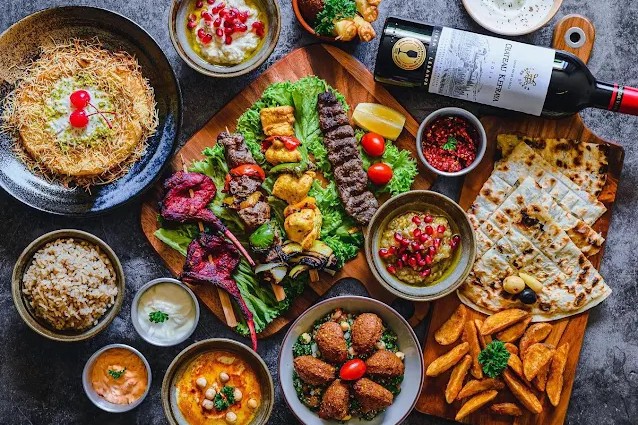
Best for: Date nights and a slightly more polished Lebanese experience
Estimated price: From $25++ to $55++ per person
Website: http://www.beirut.com.sg/
Location: 72 Bussorah Street, Singapore 199485; Bugis MRT (~6-minute walk)
Why it made the list:
We find Beirut Grill to be one of the more refined options along Bussorah Street, striking a balance between authenticity and atmosphere. With the Sultan Mosque as its backdrop and a two-storey setup that includes a tucked-away lounge upstairs, it offers not just a meal but also delivers a setting. The sourcing of spices and herbs directly from Beirut adds a layer of credibility to the kitchen, and it shows in the depth of flavour across its mezze and mains.
The menu is well-rounded without feeling overwhelming. We would begin with the classics like moutabal and baba ghanoush which are executed with confidence and a clear respect for tradition. From there, dishes like Daoud Basha stand out, offering comforting, richly spiced lamb meatballs in a tomato-based sauce that feels both homely and indulgent. The Manakish Za’atar and sizzling kefalotyri cheese add variety, while the grilled meats remain dependable crowd-pleasers. Dessert leans indulgent, with options like kunefe and baklava, though the Oum Ali is a worthwhile detour for something more textural and layered. The Lebanese wine selection is also a thoughtful touch, rounding out the experience nicely.
What to note:
Desserts can skew overly sweet, which may not suit all palates. The split concept—halal dining downstairs and a more lounge-like, alcohol-serving space upstairs—may also feel slightly disjointed depending on the experience one is after.
5. Sanobar
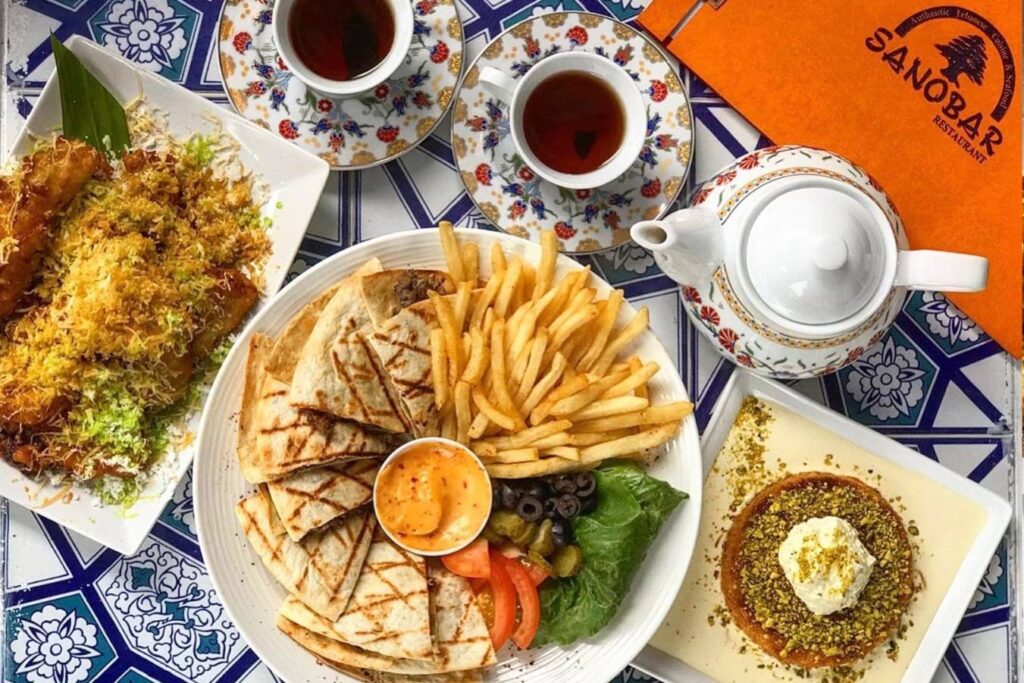
Best for: Authenticity seekers and traditional Lebanese flavours
Estimated price: From $25++ to $50++ per person
Website: http://www.sanobargrill.sg/
Location: 20 Baghdad Street, Singapore 199659; Bugis MRT (~6-minute walk)
Why it made the list:
Sanobar feels like a labour of love, and we appreciate its unwavering commitment to authenticity. Backed by Chef Nabil’s decades of experience and roots in Tripoli, the restaurant leans heavily into traditional techniques and imported ingredients, resulting in a menu that feels grounded and sincere. It may not have the flashiest setting, but what it offers is substance, which is something we find increasingly rare.
The food here speaks for itself. The Sultan Mezza is a strong starting point, bringing together staples like hummus and moutabbal that are both robust and well-balanced. From there, the Sanobar Grill Platter delivers exactly what we would expect from a hearty Lebanese spread—generous cuts of meat, well-marinated and satisfying. There are also thoughtful standouts, such as the Hummus Bil Lahme, which adds richness and depth to a familiar favourite. We also like that the menu ventures slightly beyond the expected, with items like mixed seafood kebabs and even a Pizza Shawarma, offering a subtle twist without straying too far from its roots.
What to note:
Service can be inconsistent at times, occasionally lacking the attentiveness we would expect. While the focus is clearly on the food, those seeking a more polished, end-to-end dining experience may find it slightly lacking.
What Defines an Authentic Lebanese Dining Experience?
Authenticity in Lebanese cuisine goes well beyond whether a dish tastes right. It is rooted in technique, ingredient integrity, and the sequencing of the meal itself. At a foundational level, we look for kitchens that respect traditional preparation methods: charcoal grilling over open flames rather than flat-top shortcuts, slow-cooked stews that allow spices to develop depth, and dips made fresh rather than pre-batched. A proper hummus, for instance, should be silky and nutty with a pronounced tahini character—not overly garlicky or acidic—while baba ghanoush (or moutabal) should carry a distinct smokiness from flame-roasted eggplant, not liquid smoke or shortcuts.
Equally telling is the spice profile. Lebanese food is often misunderstood as being heavily spiced, but in reality, it is about restraint and balance. Blends like baharat (seven-spice) or the use of sumac and za’atar should enhance rather than dominate. When these elements feel measured and harmonious, it is usually a sign that the kitchen understands the cuisine at a deeper level. The sourcing of ingredients also matters more than most diners realise; olive oil, spices, and even certain grains can significantly affect flavour, which is why restaurants that import from the Levant often stand out.
Then there is structure. A truly authentic experience unfolds in stages: mezze first, encouraging sharing and conversation, followed by grilled meats or mains that anchor the meal. When restaurants push diners straight into individual mains without this progression, something essential is lost. Finally, hospitality plays a subtle but important role. Lebanese dining is inherently warm and communal, and the best establishments reflect this not just in service, but in how the entire experience is paced and presented.
Is Lebanese Food in Singapore Worth Exploring?
In a city known for its culinary diversity, Lebanese cuisine often flies slightly under the radar, but we would argue it is well worth seeking out. It offers a distinct alternative to heavier Western fare or spice-forward Asian cuisines, striking a balance that feels both indulgent and refreshing.
The versatility is its main selling point since no matter if you’re after a light meal built around dips and salads or a full-on feast of grilled meats, Lebanese food adapts to your cravings effortlessly. The key is knowing where to go because when done right, it is one of the 2026 most rewarding cuisines to explore in Singapore.
Final Thoughts
Choosing the right Lebanese restaurant ultimately comes down to what you value most—be it authenticity, atmosphere, or sheer variety. If you are new to the cuisine, start with a place that offers breadth and approachability. If you are more experienced, seek out kitchens that stay true to tradition. Whichever route you take, being intentional about your choice ensures a far more rewarding meal—one that captures the spirit of Lebanese dining at its best.
Frequently Asked Questions (FAQ)
1. How do I navigate Halal requirements and alcohol service at Lebanese restaurants in Singapore?
While many Lebanese eateries in Singapore use Halal-sourced ingredients, their certification status varies because some establishments also curate extensive lists of Lebanese wines. If strict Halal certification is a priority, it is recommended to verify the specific MUIS status of the venue beforehand, as “Muslim-friendly” often implies a pork-free kitchen that may still serve alcohol.
2. Is there a specific protocol for ordering a balanced mezze spread for a group?
To avoid over-ordering, aim for three to four mezze plates per person if you intend for them to be the main meal, or two per person if followed by grilled mains. A traditional progression starts with cold dips like hummus and labneh, followed by hot pastries or halloumi, ensuring a mix of creamy, acidic, and crunchy textures across the table.
3. What are the tell-tale markers of a truly authentic Lebanese kitchen in Singapore?
Look for the house-made preparation of staples like toum (an emulsion-style garlic sauce) and the use of sumac or pomegranate molasses for a distinct, sharp tartness. Authentic kitchens often distinguish themselves by serving freshly baked, puffed pita bread and offering regional specialties like kibbeh or fatayer that are folded by hand rather than mass-produced.