
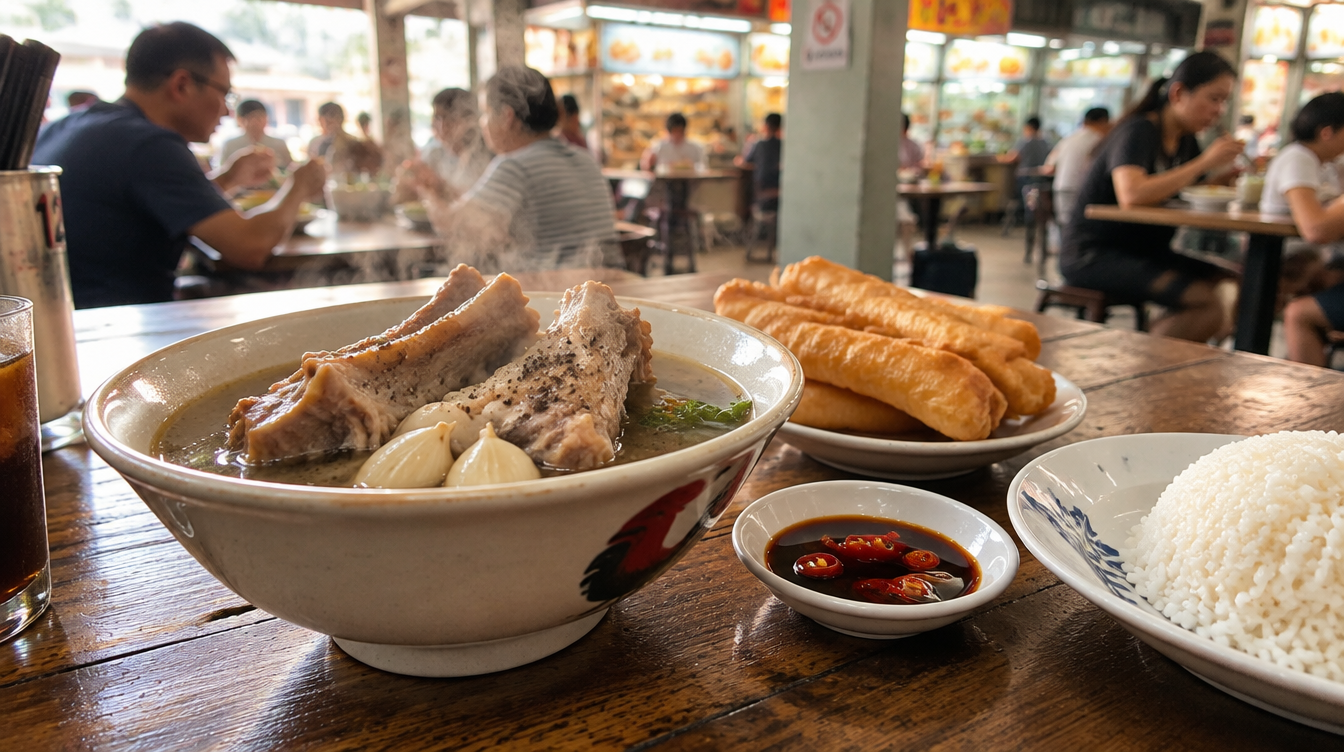
Nothing cuts through a grey, rainy Singapore evening quite like a steaming bowl of peppery pork rib soup. Bak kut teh has been a comfort food staple here for generations, and with the wetter months settling in, it is exactly the kind of meal that turns a miserable commute home into something worth looking forward to.
Working out the best bak kut teh in Singapore for what you are actually after, whether that is a classic clear Teochew broth, a heartier zi char spread, or something open at odd hours, is not always straightforward. If you already enjoy the same clean, peppery flavours found at our favourite Teochew restaurants in SG, this dish belongs on your list too.
We have picked six stalls and restaurants that each do something a little different, from a 1966 institution that never closes to a modern dining room with an outpost all the way in Macau. Below, we break down what makes each one worth a visit, plus a short guide on choosing the right bowl for your particular craving.
Quick Picks: Best Bak Kut Teh In Singapore
- Best for first-timers wanting the classic: Song Fa Bak Kut Teh.
- Best for bold, peppery broth lovers: Founder Bak Kut Teh.
- Best for a full zi char spread: Outram Park Ya Hua Bak Kut Teh.
- Best for a polished sit-down meal: Ng Ah Sio Bak Kut Teh.
- Best for 24-hour supper cravings: Balestier Bak Kut Teh.
- Best for a refined, modern take: Tuan Yuan Pork Ribs Soup.
1. Song Fa Bak Kut Teh
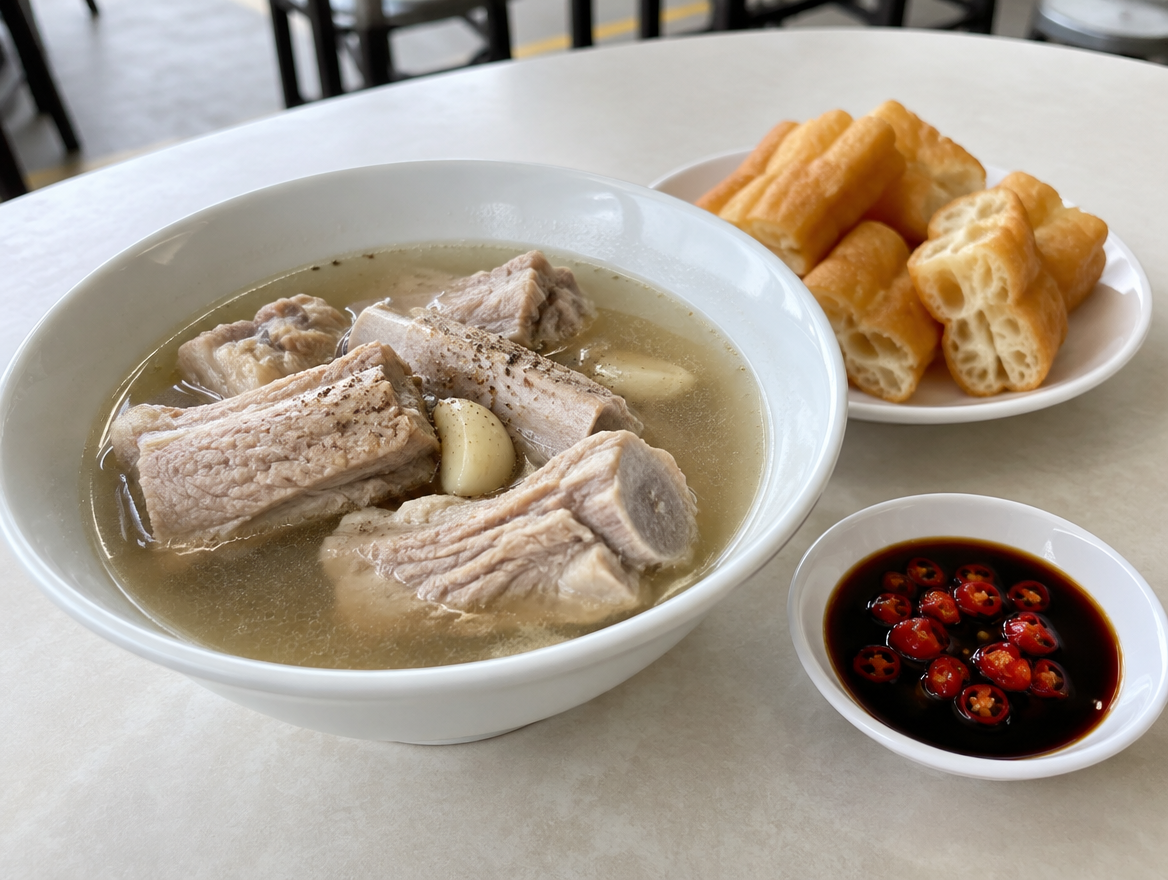
Image Credit: BestLah (illustrative image)
Song Fa’s story starts in 1969, when founder Yeo Eng Song began ladling out bowls of Teochew-style pork rib soup from a pushcart along the Singapore River. That pushcart eventually grew into a full restaurant, and the recipe has stayed close to its roots the whole way: a clear, peppery broth without the heavier herbal notes some other stalls lean on, letting the pepper and pork do the talking.
It has since picked up a Michelin Bib Gourmand nod, which tends to draw a mix of regulars and curious tourists to the New Bridge Road flagship. The queue moves fast, the ribs are tender enough to fall off the bone with a light nudge, and the whole experience feels close to how bak kut teh would have been eaten decades ago.
Best for: First-timers and visitors who want the definitive, no-frills classic.
Estimated price: Typically $6 to $9 for a bowl of ribs, with you tiao and rice priced separately.
Website: songfa.com.sg
Location: 11 New Bridge Road (flagship), with additional outlets islandwide.
What to note: The original pushcart-era flavour draws a queue at peak lunch and dinner hours, so go early or expect to wait.
2. Founder Bak Kut Teh
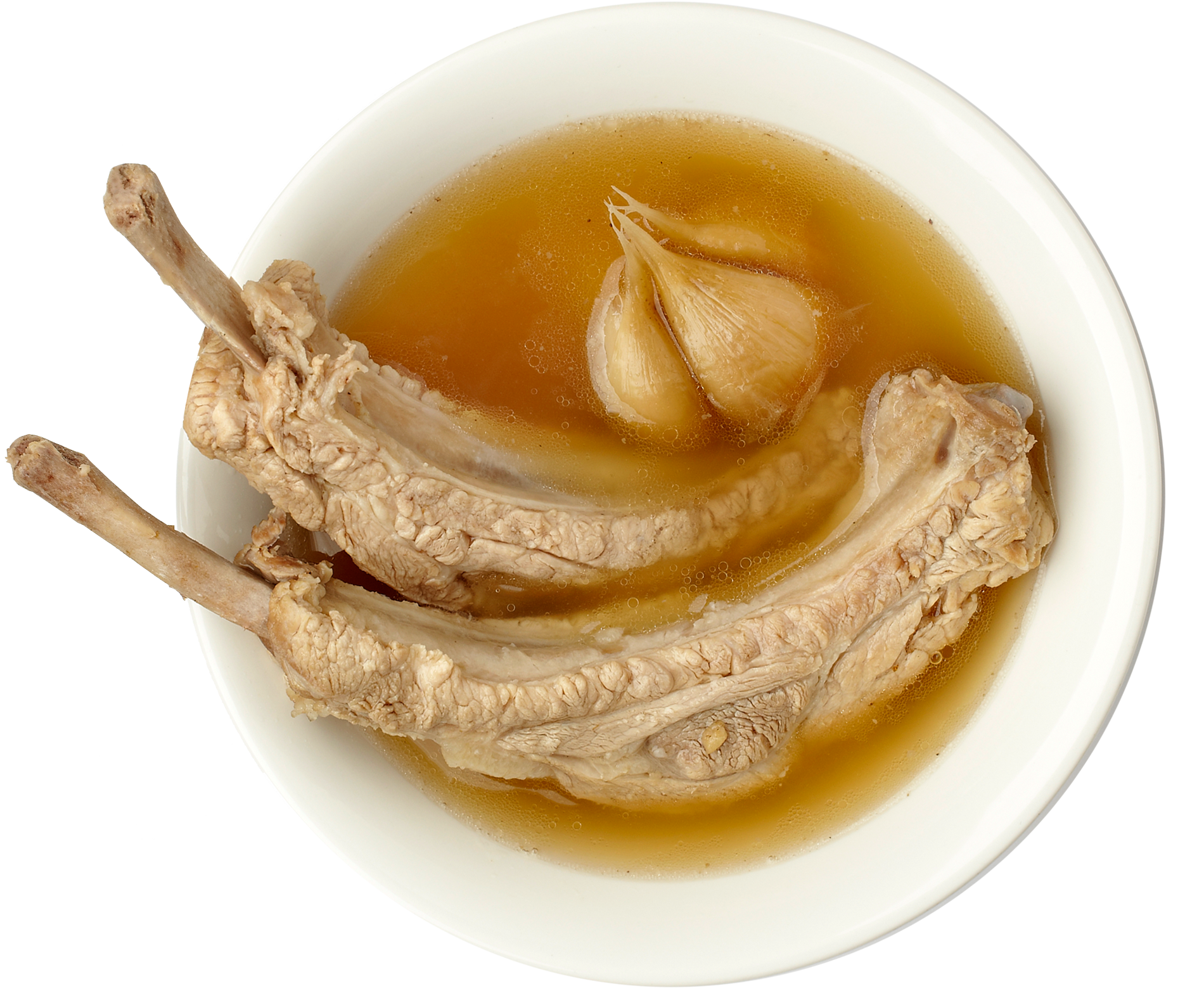
Image Credit: Founder Bak Kut Teh (official website)
Founder has been simmering its broth of herbs, spices and meaty pork ribs for more than 40 years, and it wears that history well. The soup leans slightly more robust and peppery than some of its neighbours on this list, and the kitchen backs it up with islandwide delivery for anyone who would rather stay in.
What sets it apart for us is how easy it makes bringing the flavour home. Beyond the restaurant itself, Founder sells its own spice blend so regulars can recreate the broth in their own kitchen, a nice touch for anyone who has fallen for the taste and wants it on tap.
Best for: Diners who want a bold, peppery broth with real heritage behind it.
Estimated price: Generally $7 to $10 per bowl, with their retail spice packs priced around $20 for a set of six.
Website: founderbkt.com.sg/en
Location: 347 Balestier Road, plus an outlet at Hotel Boss on Jalan Sultan.
3. Outram Park Ya Hua Bak Kut Teh
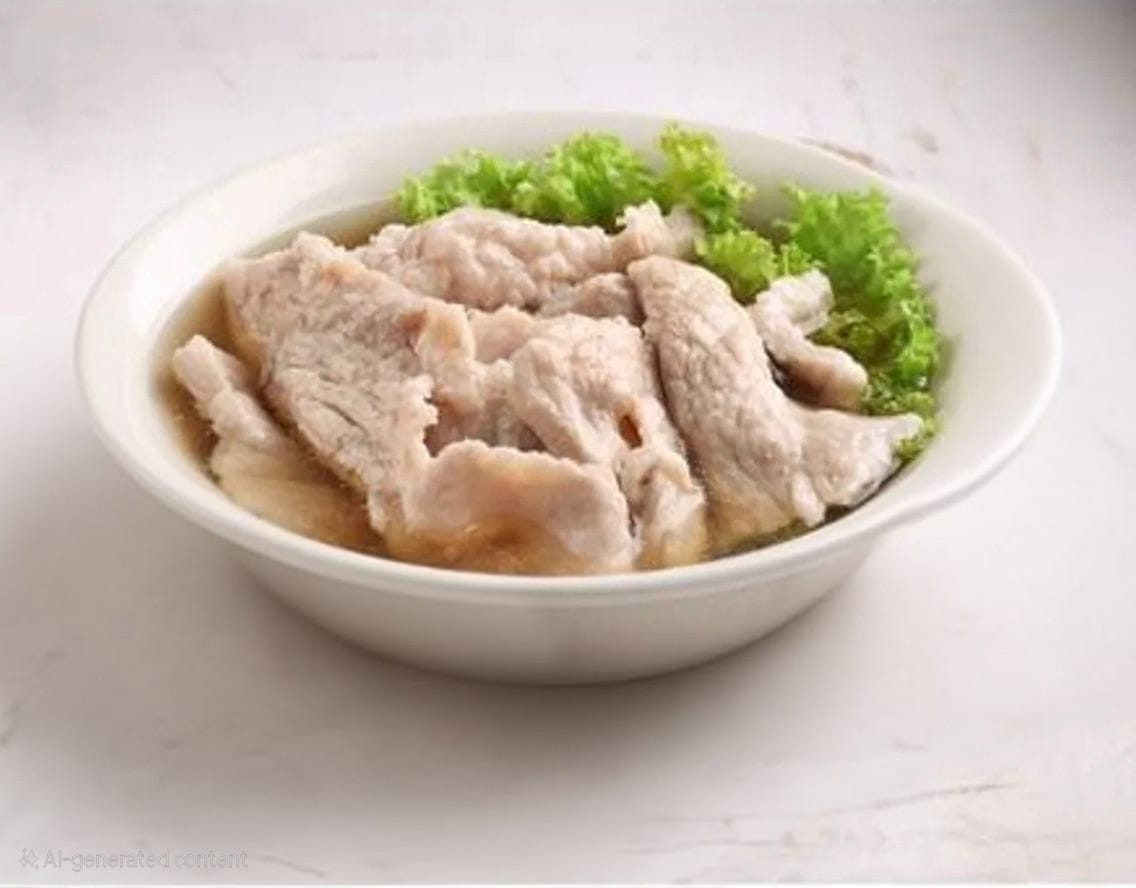
Image Credit: Outram Park Ya Hua Bak Kut Teh (official website)
Operating since 1973, Ya Hua built its name on a rich, peppery broth, but what keeps people coming back is everything else on the table. Beyond the soup itself, the menu runs to braised pig trotter, curry fish head, fried prawn rolls, braised intestine and stir-fried greens, essentially a full zi char spread built around a bowl of bak kut teh rather than the other way round.
It has quietly become a bit of a local institution too, with visits from public figures over the years adding to its reputation. For a group meal where not everyone wants soup as the main event, this is one of the more satisfying options on this list.
Best for: Anyone who wants a full zi char-style spread alongside their soup.
Estimated price: Around $8 to $14 per bowl, more if you add zi char sides like curry fish head or braised pig trotter.
Website: yahua.com.sg
Location: 593 Havelock Road, #04-01, with a second outlet at 7 Keppel Road.
What to note: Closed on Mondays, and hours run shorter midweek, so check timing before a late supper run.
4. Ng Ah Sio Bak Kut Teh
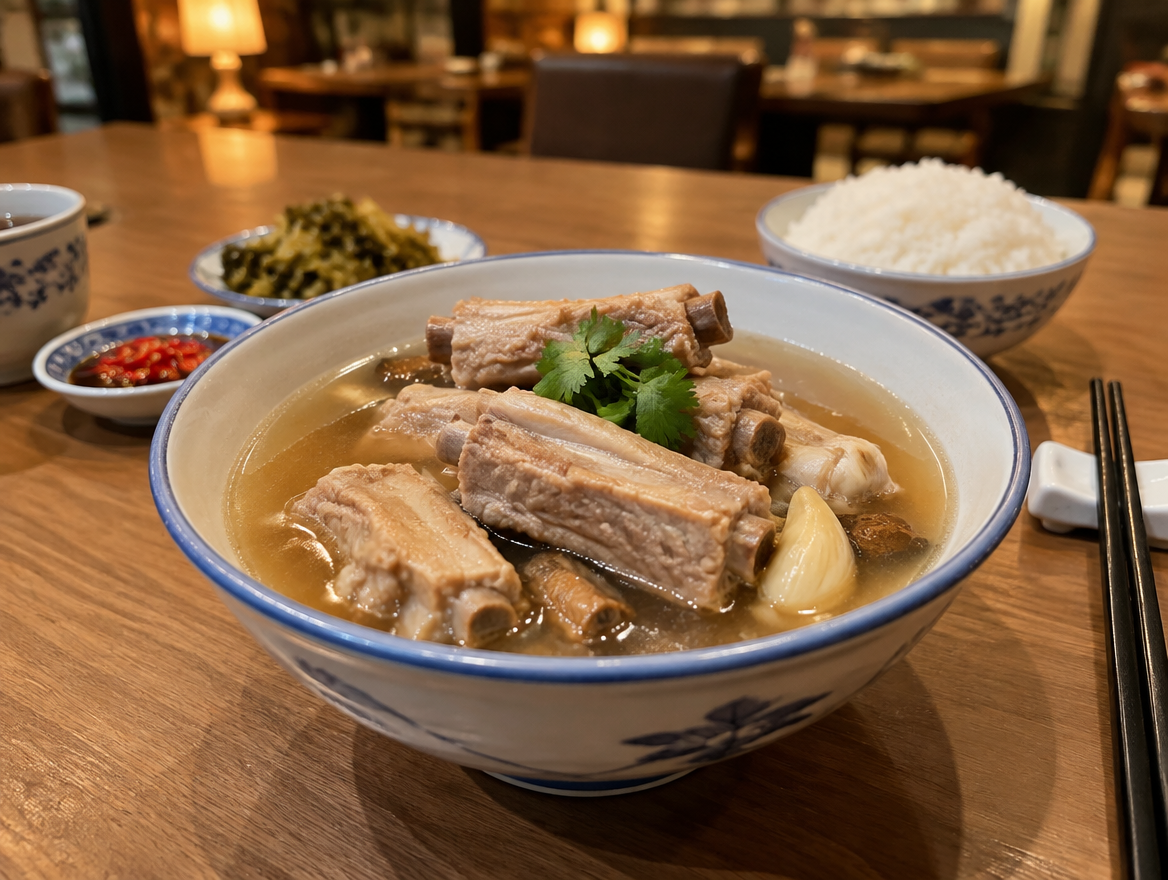
Image Credit: BestLah (illustrative image)
Ng Ah Sio is one of the more recognised names in Singapore’s bak kut teh scene, known for a broth that stays consistent from visit to visit and outlet to outlet. That reliability matters more than it sounds: with a dish this simple, small variations in pepper, saltiness or meat quality are noticeable, and Ng Ah Sio rarely misses.
The dining rooms also tend to feel a notch more comfortable than some of the older shophouse stalls on this list, which makes it an easy pick when you want the same peppery hit but in a setting that is a little easier to linger in with family or a larger group.
Best for: Diners who want the flavour without giving up a comfortable dining room.
Estimated price: Typically $9 to $13 per bowl, in line with its more polished restaurant setting.
Website: www.ngahsio.com/en/home
Location: Multiple outlets islandwide, including its long-running Rangoon Road location.
5. Balestier Bak Kut Teh
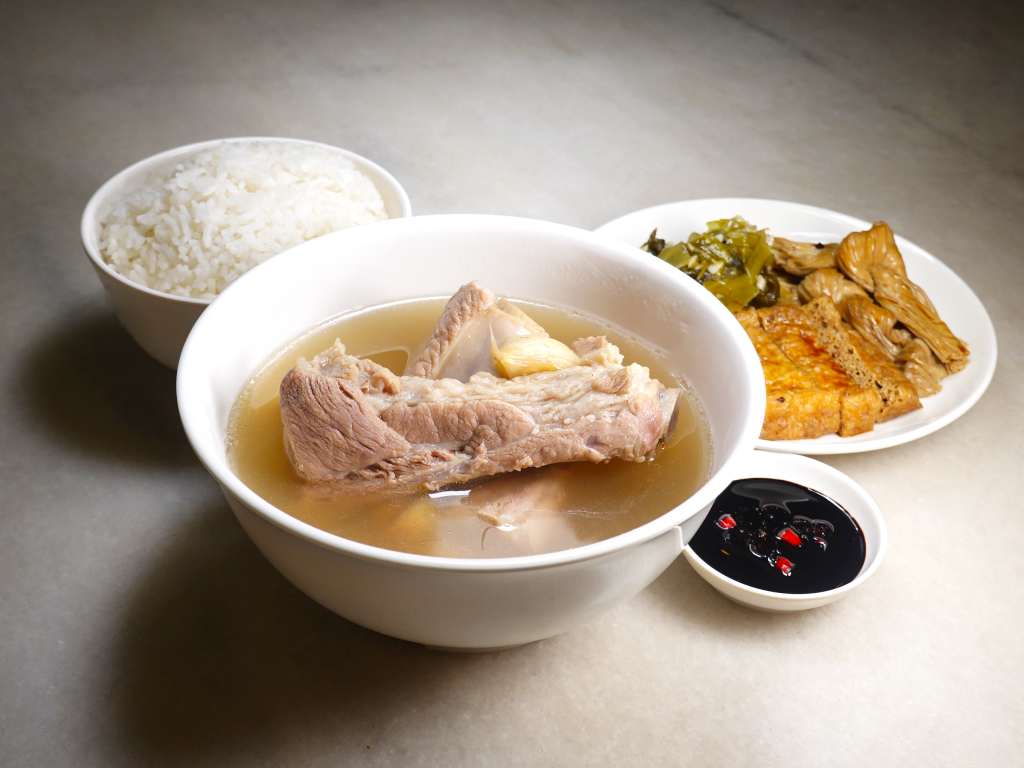
Image Credit: Balestier Bak Kut Teh (official website)
Balestier Bak Kut Teh has been in business since 1966, and its broth carries a distinctive local touch: a hint of sugarcane sweetness, a nod to Balestier’s history as a former sugarcane plantation area, layered under the usual pepper and garlic. It is a small detail, but it gives the soup a slightly rounder finish than most other stalls on this list.
The real draw for many regulars, though, is that the Balestier Road outlet never closes. Whether you are wrapping up a night out or starting an early shift, having a proper bowl of pork rib soup available at any hour is not something most of Singapore’s food scene offers.
Best for: Odd-hour cravings, from early breakfast to a 3am supper.
Estimated price: Around $7 to $11 per bowl.
Website: balestierbakkutteh.com
Location: 365 & 369 Balestier Road (open 24 hours daily), plus a stall at Makansutra Gluttons Bay, Esplanade.
What to note: The 24-hour main outlet is a different animal from the Esplanade stall, which keeps shorter hours, so check before planning a late-night trip specifically around the Gluttons Bay location.
6. Tuan Yuan Pork Ribs Soup
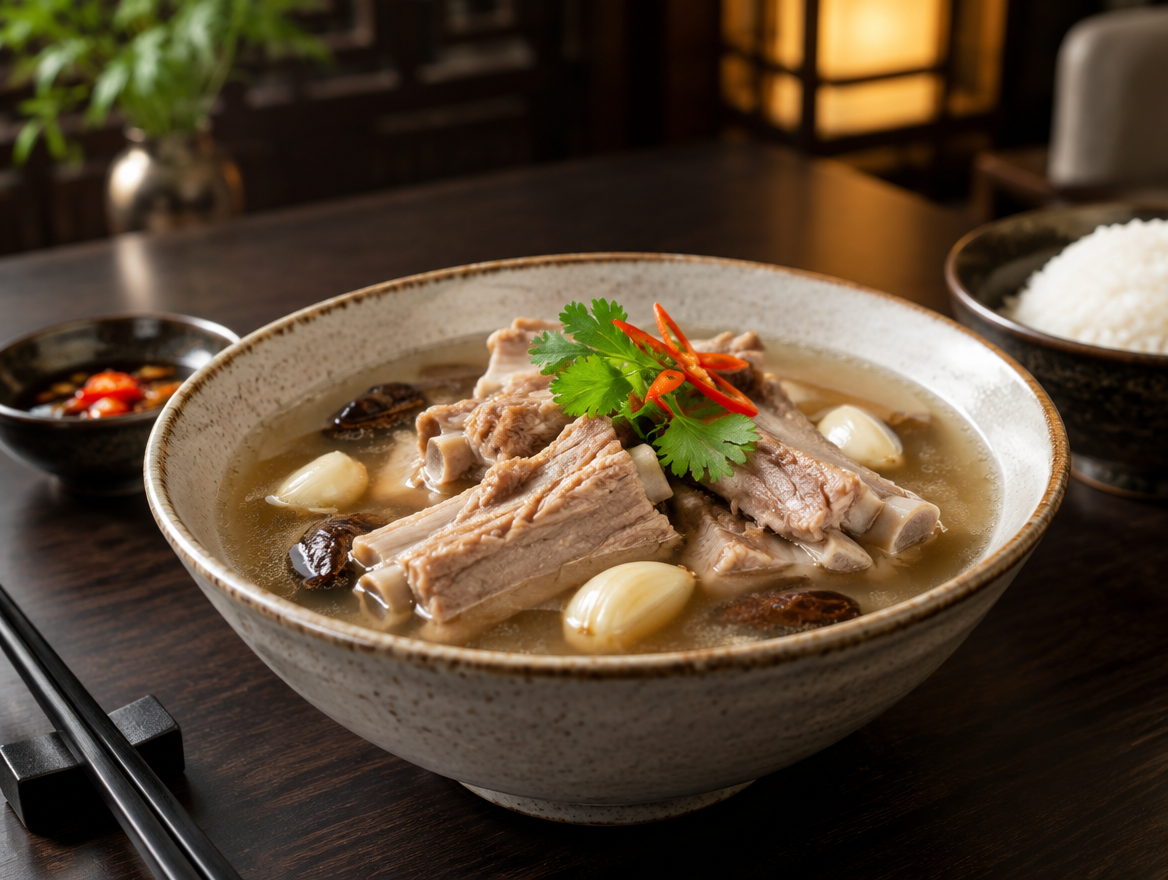
Image Credit: BestLah (illustrative image)
Tuan Yuan traces its recipe back to 1991, but the restaurant itself feels distinctly more modern than most names on this list, both in its dining room and in how it presents the dish. The broth stays true to a traditional Teochew style, but the overall experience is pitched at diners who want their pork rib soup served with a bit more polish, whether that is for a family reunion dinner or a slightly more special weeknight meal.
It has also grown a following beyond Singapore, with an outpost inside Wynn Palace in Macau serving the same broth to an entirely different crowd. That is a fairly unusual expansion path for a dish this rooted in local hawker culture, and it speaks to how well the format has translated.
Best for: A refined, contemporary take on a traditionally humble dish.
Estimated price: From about $10 to $16 per bowl, reflecting its more contemporary dining room.
Website: tuanyuan.sg
Location: Block 127, Kim Tian Road, #01-01.
What We Looked At When Choosing These Bak Kut Teh Restaurants
- Broth style and depth of flavour: whether the soup leans peppery and clear, herbal and medicinal, or somewhere in between, and how well it is balanced.
- Ingredient quality: how tender the ribs are, and whether sides like you tiao, salted vegetables and beancurd skin are made well rather than added as filler.
- Heritage and reputation: how long a stall or restaurant has been perfecting its recipe, and what it is genuinely known for locally.
- Price and value: whether the portion and sides justify what you are paying, across both hawker-style and restaurant-style options.
- Accessibility and operating hours: whether a spot is easy to get to, and whether its hours suit how and when you actually want to eat.
How To Choose The Right Bak Kut Teh For You
- If you want the classic peppery Teochew style: start with Song Fa or Founder, both known for a clear, pepper-forward broth.
- If you are craving a full meal, not just soup: Outram Park Ya Hua’s zi char-style menu gives you far more to order alongside your bowl.
- If you are eating late at night or very early in the morning: Balestier Bak Kut Teh’s 24-hour outlet is built exactly for that.
- If you want a more comfortable, sit-down setting: Ng Ah Sio or Tuan Yuan both offer a more polished dining room than a typical hawker stall.
- If you are hosting out-of-town guests: the heritage and recognition behind Song Fa or Founder tend to make for a good introduction to the dish.
Peppery Vs Herbal: The Two Main Styles Of Bak Kut Teh
Most of the bowls on this list follow the Teochew style that dominates in Singapore: a clear, peppery broth that gets its kick from generous amounts of whole white pepper instead of a long list of herbs. It is a lighter, sharper soup, and it is the version most people picture when they think of Singaporean bak kut teh.
Across the causeway, Malaysia’s Klang-style bak kut teh takes a different route, with a darker, herbal broth built on soy sauce and a blend of Chinese medicinal herbs that gives it a deeper, almost medicinal sweetness. Both styles have their own following, but if you are working through this list expecting that darker herbal profile, you will mostly find the peppery Teochew version here instead.
Good Sides To Order Alongside Your Bowl
A few sides are worth ordering if the stall offers them. You tiao is the classic choice, perfect for tearing up and dropping straight into the peppery broth to soak up the flavour. Salted vegetables add a welcome sourness that cuts through the richness, while braised beancurd skin or peanuts round out the meal without stealing attention from the star of the table.
Final Thoughts
Singapore’s bak kut teh scene turns out to be far more varied than a single bowl of peppery soup might suggest. Between Song Fa’s pushcart-era history, Balestier’s round-the-clock kitchen and Tuan Yuan’s rather unexpected outpost in Macau, there is a genuine range of experiences built around one humble dish.
We tend to pick based on mood as much as anything else, a quick, no-fuss bowl on a rainy weekday, or a fuller spread when there is more to celebrate. Wherever you end up, a good bowl of pork rib soup remains one of the more comforting ways to spend a meal here.
Frequently Asked Questions (FAQ)
What is the difference between Teochew and Hokkien-style bak kut teh?
Teochew-style bak kut teh, the version most common in Singapore, uses a clear broth built mainly on white pepper and garlic. Hokkien and Klang-style versions lean darker and more herbal, relying on soy sauce and Chinese medicinal herbs for a deeper, sweeter finish. Most stalls on this list serve the Teochew style.
Is bak kut teh halal-friendly?
No. Bak kut teh is a pork-based dish by definition, and none of the stalls on this list are halal-certified. If you are dining with guests who avoid pork, plan for a separate option, since a pork-free substitution is usually not available.
What is the best time of day to eat bak kut teh?
Traditionally, bak kut teh was popular as an early breakfast among labourers who needed a hearty, warming meal before a long day. These days it is eaten at any hour, and stalls like Balestier Bak Kut Teh, open 24 hours, cater to everyone from breakfast crowds to post-midnight supper runs.
Can I get bak kut teh delivered in Singapore?
Several of the restaurants on this list, including Founder Bak Kut Teh, offer their own islandwide delivery, and others are reachable through third-party platforms. Availability and delivery radius vary by outlet, so check each restaurant’s own website or app before ordering to avoid disappointment.
How much should I expect to pay for a good bowl of bak kut teh?
Hawker-style stalls on this list generally range from around $6 to $11 a bowl, while more restaurant-style settings run from about $9 to $16, before sides like you tiao, rice or additional zi char dishes are added.