
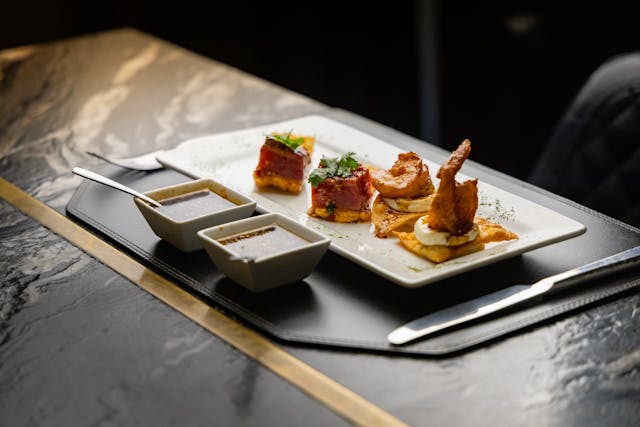
Tanjong Pagar is no stranger to reinvention. Once a gritty port district, it now houses gleaming office towers, heritage shophouses and some of Singapore’s most quietly ambitious dining rooms. Within this compact grid of streets, omakase counters sit shoulder to shoulder — from Michelin-starred sanctuaries tucked along Tras Street to minimalist hideaways concealed inside mixed-use developments. The density matters. Competition here is fierce, which means standards are high and chefs must define a clear point of view to stand out.
In this guide, we move beyond simple listings. We weigh personality against precision, value against prestige, and atmosphere against authenticity — because omakase is never just about the fish. Towards the end, you will also find practical advice on choosing the right counter, an explainer on the chef’s role and how they influence the experience, and deciding when to splurge (and when not to).
Note: Prices, menus, and promotions may change over time. It’s always best to check the restaurant’s latest menu before booking.
Last updated: March 2026
Quick Picks: Best Omakase in Tanjong Pagar
If you would rather skip straight to a recommendation, here is how we would categorise our top choices:
- Best for Special-Occasion Indulgence: Elevated technique, premium sourcing and a sense of ceremony. Expect refined Edomae and a celebratory bill.
- Best for Creative Twists & Lunch Value: Contemporary interpretations, more expressive flavours and accessible entry pricing. Ideal for first explorations.
- Best for Refined Variety Without the Splurge: Balanced menus with both nigiri and composed dishes at comparatively strong value.
- Best for High “Cost Performance”: Sub-$200 courses that feel complete, with thoughtful extras like wagyu or premium chutoro.
- Best for Michelin-Starred Splurges: Precision-driven, ingredient-focused dining where craftsmanship justifies — or at least attempts to justify — the premium.
1. Sushi Katori
Best for: Special-occasion indulgence
Estimated price: From about $150++ (lunch) to around $400++ (dinner) depending on menu tier and seasonal items.
Website: https://sushikatori.com/
Location: Katori 21 Tg Pagar Rd, #01-03, Singapore 088444 / Nearest MRT: Tanjong Pagar MRT (EW15), ~5–8 min walk
Why it made the list:
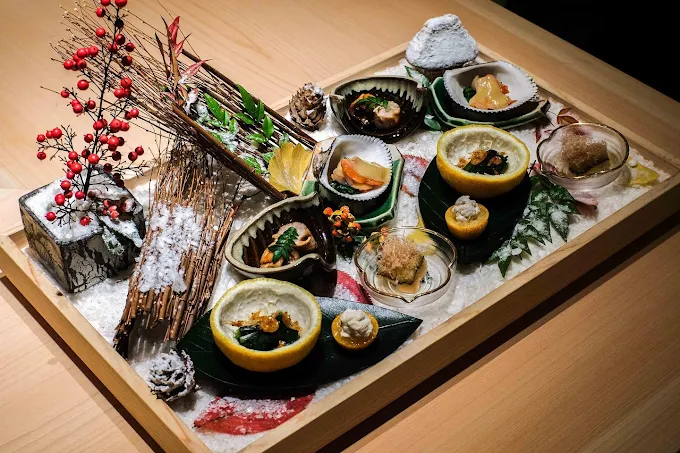
When we think of omakase in Tanjong Pagar that feels quietly momentous, we think of Sushi Katori. This is not merely another Michelin-listed counter; it is Ryuta Katori’s personal statement. Having stepped out from behind the curtain of established kitchens to helm his own space, Katori-san brings both pedigree and personality to the fore. The seafood is air-flown from Toyosu Market, and it shows — each piece of Edomae nigiri tastes deliberate, precise and immaculately seasoned.
What sets the experience apart for us, however, is the energy at the 13-seater counter. Katori-san radiates warmth. There is laughter, easy banter and an openness that softens what could otherwise be an austere fine-dining affair. The lunch menus (from $150++) sit at the higher end, yet the generosity of portions and the finesse of execution justify the outlay. We leave not just impressed, but genuinely satisfied — both gastronomically and emotionally.
What to note:
Prices are firmly in celebratory territory, particularly at dinner. If you are seeking an ultra-traditional, stoic sushi-master ambience, the lively tone here may feel less formal than expected.
2. Sushi Yujo
Best for: Creative twists and lunch value
Estimated price: Lunch omakase from $68++ to ~$198++; dinner sets from $148++ to ~$348++ depending on choices.
Website: https://www.sushiyujo.sg/
Location: 165 Tg Pagar Rd, #02-26 Amara Hotel, Singapore 088539 / Nearest MRT: Tanjong Pagar MRT (EW15)
Why it made the list:
Sushi Yujo is where we would send someone who wants the structure of omakase without the stiffness. Helmed by Chef Desmond Fong — formerly of Sushi Jin — this is a contemporary interpretation of Japanese fine dining with a distinctly personal edge. The sleek black-and-ice interior signals that you are in for something slightly unconventional, and the menu follows through.
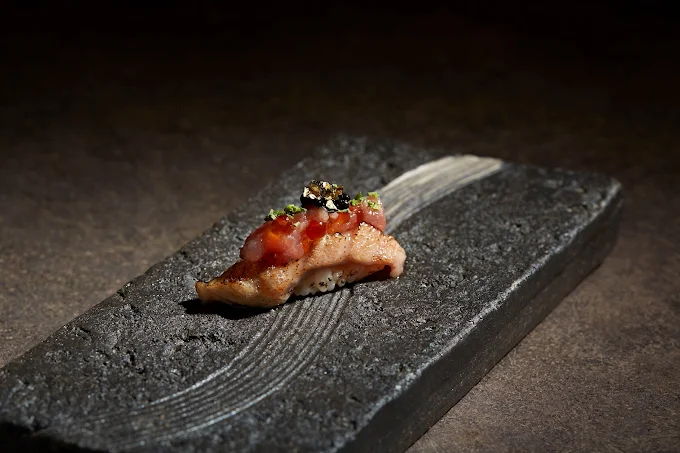
Seafood arrives from Toyosu multiple times a week, yet the progression of the meal leans richer and more expressive than strict Edomae orthodoxy. Aburi sushi, inventive appetisers and composed seasonal plates take centre stage. At lunch, prices begin at an accessible $68, which is rare value in this neighbourhood. We appreciate the thoughtful pacing from lighter bites to deeper, more robust flavours, and the desserts — from plum wine jelly to musk melon — feel polished rather than perfunctory. For those dipping their toes into omakase or seeking something modern and satisfying, Yujo makes a compelling case.
What to note:
While technically assured, the interaction at the counter can feel restrained. We would welcome more storytelling from the chefs to elevate the overall intimacy of the experience.
3. Kairyu
Best for: Refined variety without the fine-dining price tag
Estimated price: Lunch from $78++ to ~$138++; dinner from $148++ to ~$198++ depending on menu selection.
Website: https://www.kairyu.com.sg/
Location: Omakase 33A Neil Rd, level 2, Singapore 088820 / Nearest MRT: Maxwell MRT (DT21) (~5 min walk)
Why it made the list:
Kairyu Omakase strikes us as the most quietly confident value proposition in the area. Starting from $78 at lunch and $148 at dinner, it delivers a breadth of craftsmanship that rivals pricier counters nearby. Chef Naoki Tsujioka’s Kyoto upbringing informs a kaiseki sensibility — seasonal awareness, layered textures, composed presentation — while still anchoring the meal in Edomae technique.
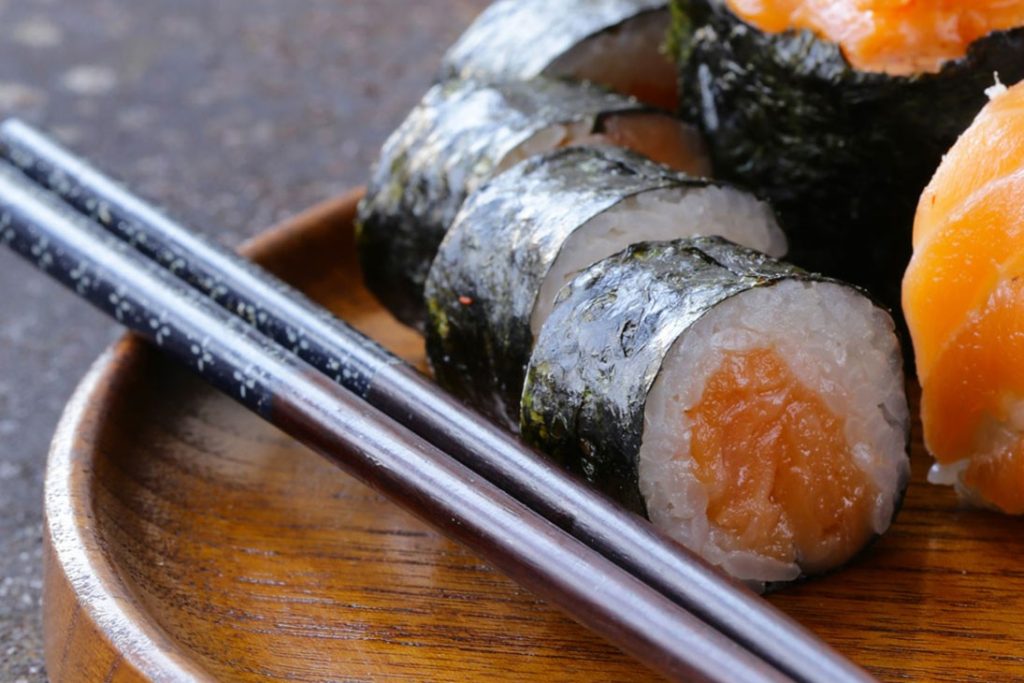
We appreciate the balance here. Some menus lean heavier on nigiri; others intersperse elegant cooked dishes that showcase the kitchen’s range. The fish is pristine, the rice calibrated, and the pacing assured. Service is attentive without hovering, and small gestures — asking about rice portions, refilling tea promptly — reflect genuine hospitality. Even the sake list feels thoughtfully curated, with respected breweries offered at surprisingly reasonable mark-ups. For diners who want finesse, engagement and value in equal measure, Kairyu feels like a savvy insider’s pick.
What to note:
The location makes parking inconvenient, so planning ahead is wise. While refined, the setting is less theatrical than some high-profile omakase counters, which may matter if you are after dramatic flair.
4. Miraku
Best for: High “cost performance” without compromise
Estimated price: Lunch omakase from $88++; regular omakase around $178++; premium dinner from $228++ (approx based on menus).
Website: https://www.miraku.com.sg/
Location: 12 Gopeng St, #01-01 to 04 Icon Village, Singapore 078877 / Nearest MRT: Tanjong Pagar MRT (EW15) (~7 min walk)
Why it made the list:
Miraku feels like one of Tanjong Pagar’s smartest omakase plays. Tucked within Icon Village, its serene 18-seater counter offers a calm, minimalist refuge — a deliberate contrast to the bustle outside. Head Chef Chon brings over two decades of Japanese fine-dining experience in Singapore, and it shows in the assured way he walks the line between orthodoxy and local sensibility.
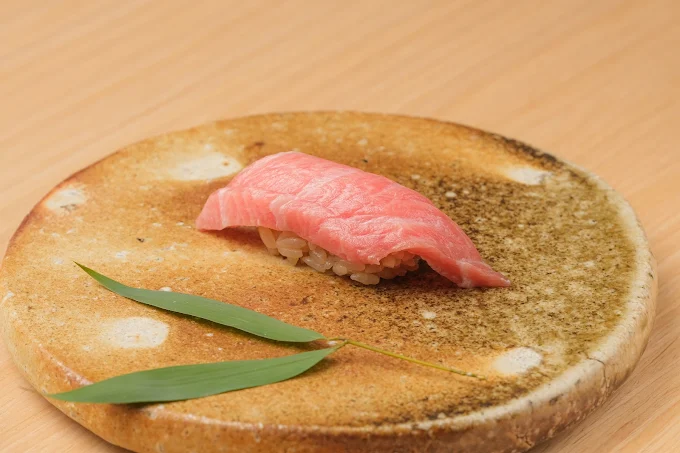
The menus (from $88 at lunch to $228 for the premium dinner) are layered without feeling excessive. We particularly appreciate the inclusion of dishes rarely seen in omakase here, such as the Hokkaido Wagyu sukiyaki with onsen egg — a warm, comforting interlude amidst the nigiri. The chutoro sashimi, thick-cut and paired with egg yolk and freshly shaved mountain wasabi, delivers indulgence with restraint. Importantly, Miraku excels where it matters: the sushi rice is balanced, the fish pristine, and diners are thoughtfully asked about rice portions before the meal begins. For sub-$200 omakase that genuinely feels complete, this is compelling “costpa” or cost-performance, as the Japanese say.
What to note:
The chef interaction can be reserved, and without lively engagement the quiet dining room may feel slightly austere. Those who prioritise theatre over technique may prefer a more animated counter.
5. Hamamoto
Best for: A once-in-a-while, Michelin-starred splurge
Estimated price: Lunch omakase from $280++; dinner menus from $425++ to $550++ depending on experience chosen.
Website: https://hamamoto.com.sg/
Location: 58 Tras St, Singapore 078997 / Nearest MRT: Tanjong Pagar MRT (EW15) (~7 min walk)
Why it made the list:
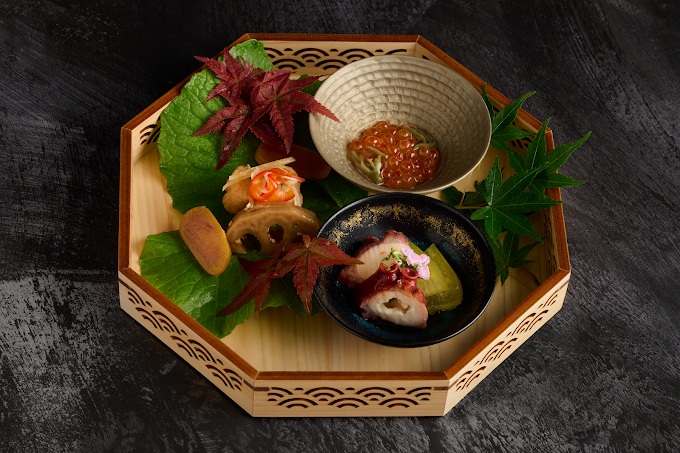
Dining at Hamamoto is less a meal and more a study in precision. Kyoto-born Chef Kazuhiro Hamamoto’s 12-seat sushi-kappo counter on Tras Street is austere by design — dark woods, a curved hinoki counter (the only one of its kind in Singapore), and lighting calibrated to spotlight each dish. Everything here feels intentional.
The single lunch ($280) and two dinner menus ($425 and $550) are firmly in luxury territory, yet the craftsmanship is undeniable. Ingredients are sourced directly from trusted Japanese producers, each presented at its seasonal peak. The uni — a blend of bafun and murasaki — is luscious and deeply sweet, while pristine seafood is handled with almost reverential care. What elevates the experience beyond technical brilliance, however, is Chef Hamamoto himself. He is witty, engaging and fully present, transforming what could be an intimidating Michelin-starred affair into something unexpectedly warm. We leave feeling we have witnessed not just skill, but philosophy translated into flavour.
What to note:
Prices are undeniably steep, particularly for the $550 Experience menu, and value will be subjective. Reservations are notoriously difficult, often requiring months of advance planning — patience is part of the commitment here.
How We Evaluated These Omakase Counters
Not all omakase experiences are created equal — and not all deserve the same praise. When curating this list, we assessed each restaurant against criteria that matter in real-world dining:
- Quality of sourcing: Is the seafood genuinely seasonal and properly handled, or simply air-flown as a marketing line?
- Rice mastery: The shari (sushi rice) is the backbone of Edomae sushi. Temperature, seasoning and texture must be calibrated precisely.
- Chef presence: Does the chef command the counter with confidence and personality? Omakase is theatre as much as technique.
- Menu progression: A thoughtful flow from lighter to richer flavours signals experience and restraint.
- Value relative to price tier: We judge a $78 lunch differently from a $550 dinner. Context matters.
We also factored in less tangible qualities: warmth of service, pacing, ambience, and whether we would personally return — or recommend it to someone we care about.
How to Choose the Right Omakase for You
Before booking that coveted counter seat, it helps to be clear about your priorities. Ask yourself:
- Are you celebrating something significant? If yes, ambience and prestige may matter as much as flavour.
- Do you prefer traditional Edomae or creative interpretations? Some chefs adhere strictly to orthodoxy, others embrace innovation.
- What is your comfort budget? Omakase pricing in Tanjong Pagar ranges dramatically. Set expectations early.
- Do you value chef interaction? A lively, conversational counter feels very different from a hushed, reverential one.
- How adventurous is your palate? Certain menus lean towards richer flavours, wagyu courses, or unconventional combinations.
Clarity on these points prevents disappointment. The “best” omakase is the one aligned with your mood and intent.
What “Value” Really Means in Tanjong Pagar Omakase
Value in omakase is rarely about sheer quantity. Instead, we assess three things: ingredient calibre, chef pedigree, and overall experience. A sub-$100 lunch may include fewer courses, but if the fish is seasonal and the rice expertly seasoned, it can feel immensely satisfying. Conversely, a $400++ dinner demands flawless sourcing, rare cuts (such as premium uni or chutoro), and seamless pacing to justify the tariff.
In this enclave, an omakase that’s around the $200 mark often represents the sweet spot for discerning diners. You receive seasonal ingredients from Japan, attentive service, and occasionally indulgent touches without entering once-a-year splurge territory.
The Role of the Chef: Personality vs Precision
In sushi, technique is assumed. What differentiates counters is personality. Some chefs create a convivial, laughter-filled environment; others cultivate near-monastic focus. Neither is inherently superior — but they shape the memory of your meal.
We find that diners often underestimate this factor. A technically flawless meal can feel distant if interaction is minimal. Conversely, a warm, engaging chef can elevate an already strong menu into something unforgettable. When choosing your omakase, consider whether you seek quiet reverence or animated connection because the mood lingers long after the final nigiri.
Final Thoughts
Choosing an omakase in Tanjong Pagar is less about chasing the loudest name and more about understanding what you want from the evening. A celebratory dinner calls for a different counter than a spontaneous lunch indulgence. Likewise, some diners prioritise ingredient pedigree, while others value warmth, creativity or price accessibility.
Before confirming that reservation, consider the pacing, the chef’s style and the level of investment you are comfortable with. Align those elements with the occasion, and the experience will feel deliberate rather than accidental — which, in omakase, makes all the difference.
Frequently Asked Questions (FAQ)
1. How far in advance should I secure a counter seat at these boutique establishments?
Since many of these locations offer limited seating—often fewer than 10 per session—it is advisable to book at least three to four weeks in advance for weekend slots. For weeknights, checking for cancellations 48 hours prior can sometimes yield a last-minute opening due to shifts in corporate schedules.
2. What is the typical etiquette regarding bringing outside sake to these specific shophouse restaurants?
Most high-end counters in this district operate on a “1-for-1” corkage policy, where the fee is waived if you purchase a bottle from their list. If you intend to bring a specific vintage, notify the restaurant during booking, as some chefs restrict outside bottles to ensure the flavor profiles do not clash with the season’s menu.
3. Is there a particular dress code expected for the more formal counters in this business district?
While “smart casual” is generally acceptable, most patrons opt for business-ready attire given the neighborhood’s professional demographic. Most importantly, guests are encouraged to avoid wearing heavy perfumes or colognes, as strong scents can diminish the sensory experience of the delicate seafood for everyone at the counter.