
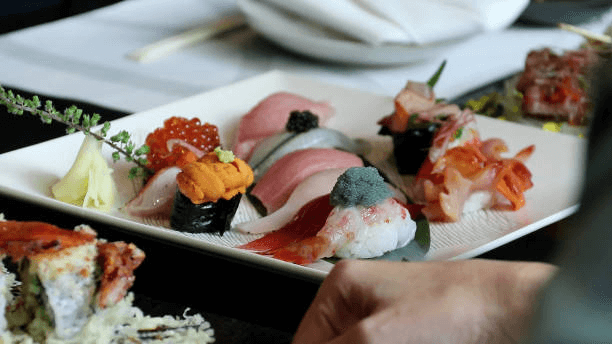
Singapore’s omakase scene is no longer niche. It is crowded, competitive, and increasingly performative. New counters open with dramatic flair, premium price tags, and ingredient lists designed to impress before the first bite even lands. Yet in a saturated landscape, what separates the merely good from the genuinely worth-booking? For us, it comes down to intent. The restaurants on this list are not here because they are loud or lavish — they are here because they understand what omakase truly demands: trust, restraint, seasonality, and a clear point of view.
From purist concepts to inventive joints, these picks stand out because they know exactly who they are. They execute with purpose. And for readers navigating Singapore’s ever-expanding sushi counters, we have also included practical tips and deeper insights towards the end of this article to help you decide wisely.
Note: Prices, menus, and promotions may change over time. It’s always best to
check the restaurant’s latest menu before booking.
Last updated: March 2026
Quick Picks Based on What You’re Looking For
Here is a shortcut if you already know your priorities:
- Best for Purists: Focuses on tradition, craftsmanship, and precise technique, allowing you to experience omakase as it has been honed over generations.
- Best for Adventurous Diners: Encourages playful experimentation with flavours, textures, and presentation, keeping your palate guessing throughout the meal.
- Best for Artistic Innovation: Highlights creative interpretations and unexpected combinations, transforming each course into a visually and gastronomically stimulating experience.
- Best for Value Seekers: Maximises course count and seasonal ingredients without overextending your budget, delivering satisfying quality in a more accessible format.
Each category helps you identify the style of experience that best aligns with your preferences and occasion.
1. Sushi Masa by Ki-setsu
Best for: Purists seeking an intimate, chef-led omakase
Estimated price: From about $230++ to $680+++ per omakase course (seasonal menus ranging from introductory to premium Hiseki)
Website: https://kisetsu.com.sg/
Location: 5 Koek Rd, #06-03, Singapore 228796 / Somerset MRT (Midtown Singapore area)
Why it made the list:
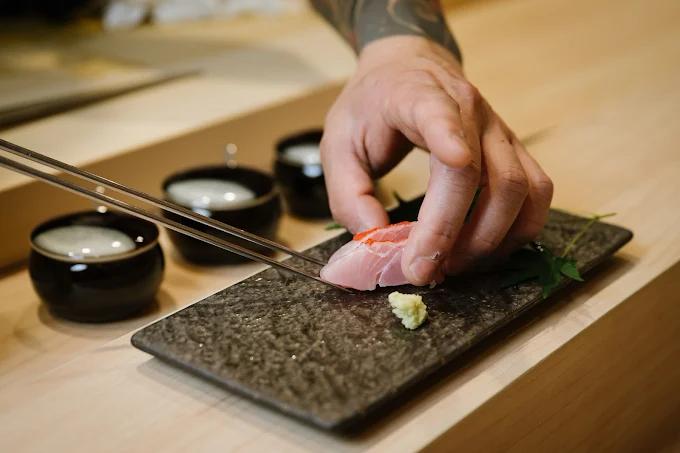
There is something commendably defiant about Sushi Masa by Ki-setsu. In a city where omakase counters are growing glossier and larger by the year, this eight-seat enclave at Cuppage Plaza chooses restraint. With only a single dinner seating and no lunch service, Chef Masa has built his restaurant around a simple conviction: omakase cannot be scaled without sacrificing presence. After 16 years honing his craft across Tokyo and the United States, he stands firmly behind the counter, shaping each piece himself.
The menus shift with the seasons and are unapologetically premium — from the 16+ course Fuyuzakura ($230++) to the 22+ course Hiseki “The Hidden World” ($680++). Ingredients are flown in daily from Japan, and the pacing encourages us to slow down and truly taste. There is discipline and precision here, but also warmth. For those who value craft over spectacle, this is where trust feels earned.
What to note:
The minimalist ambience may feel too subdued for diners who equate omakase with drama. There is no lunch option, and reservations for higher-tier menus require advance notice. Spontaneity is not its strength.
2. Ki Su Shoujin
Best for: Adventurous diners and plant-based fine dining
Estimated price: Lunch around $98++, Dinner around $168++
Website: https://www.kisu.com.sg/
Location: 60 Tras St, #01-01, Singapore 078999 / Tanjong Pagar M
Why it made the list:
Ki Su Shoujin is easily one of the boldest omakase experiences in Singapore — not because of seafood flown in at dawn, but because there is none at all. Founded by Mr Huang Yen Kun (of Joie Restaurant fame), the concept was born from a simple yet radical idea: to create a vegetarian omakase when none existed. The result is a Japanese-French shoujin experience that feels playful, cerebral, and occasionally mischievous.
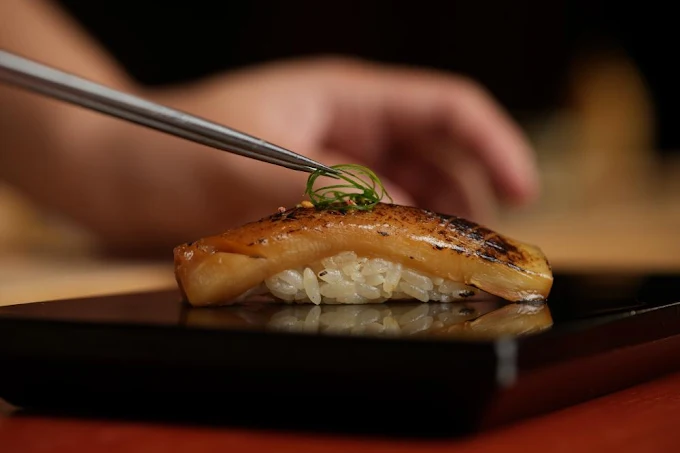
We found ourselves second-guessing everything. “Uni” that turned out to be squash. “Tuna” revealed as roasted capsicum. Textures echo the originals, but flavours take a different route entirely. Rather than imitation, the kitchen delivers interpretation. The meal unfolds like a guessing game, and that sense of curiosity becomes part of the pleasure. For vegetarians, it is liberating. For non-vegetarians, it can be humbling. Either way, it challenges assumptions about what omakase is meant to be.
What to note:
At this price point, service can occasionally feel less polished than other fine-dining counters. Those expecting seamless, ultra-refined execution may notice small inconsistencies.
3. Ichigo Ichie
Best for: Creative kappo with artistic flair
Estimated price: From about $138++ for shorter lunch to $350++ to $428++ for dinner and special menus
Website: https://ichigoichie.com.sg/
Location: 442 Orchard Rd, #01-16/17 Claymore Connect, Singapore 238879/ Somerset MRT
Why it made the list:
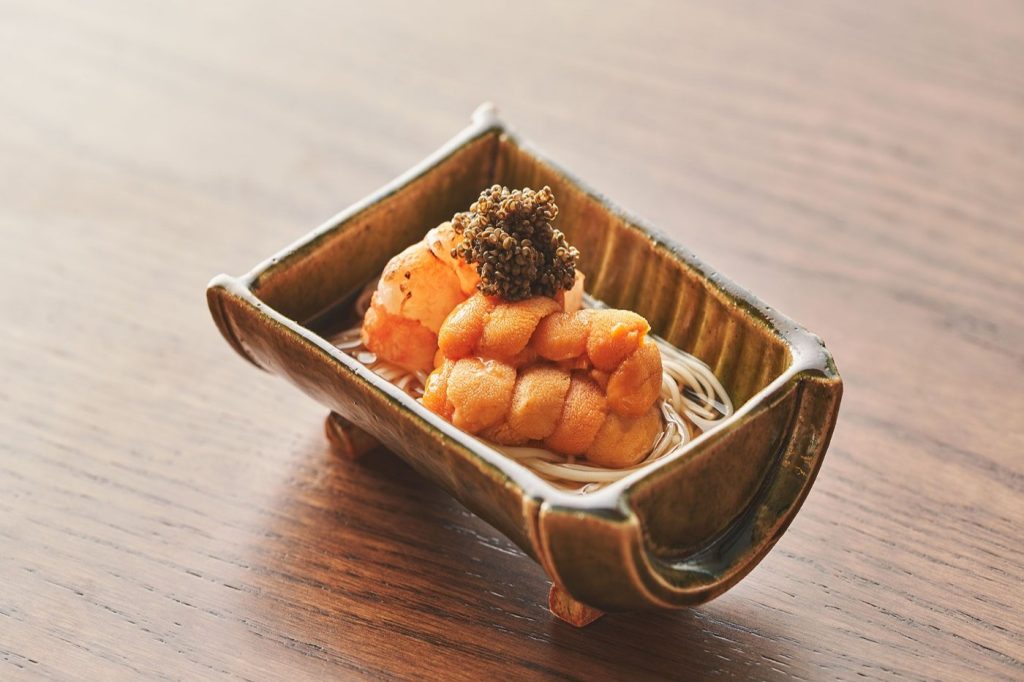
At Ichigo Ichie, Chef Akane Eno reminds us that omakase need not be bound by orthodoxy. Trained in Tokyo and seasoned by two decades across kappo, sushi, and izakaya kitchens, she cooks with instinct and personality. We sense that immediately. Her dishes are thoughtful yet expressive — traditional foundations layered with unexpected accents like cream cheese, curry leaves, maqaw peppers, and even hibiscus jelly.
Menus range from the accessible five-course Akebono lunch ($138++) to the more indulgent nine-course Kurenai dinner ($350++), with a bespoke Akane menu available on request. What keeps us returning is not novelty alone, but sincerity. Chef Eno “cooks what she enjoys eating”, and that honesty translates. The flavours are at once rustic and refined, familiar yet gently subversive. For diners who have grown comfortable with conventional Edomae formats, this is a refreshing shift in perspective.
What to note:
Innovation is subjective. Some may find the flavour pairings too unconventional. The dining room can also grow noisy, particularly when larger groups are seated nearby.
4. Ganko Sushi
Best for: Accessible, value-driven omakase
Estimated price: Around $138++ for standard omakase and $198++ (1‑for‑1 option)
Website: https://ganko.sg/
Location: 9 Penang Rd, #01-01, Singapore 238459 / Somerset MRT
Why it made the list:
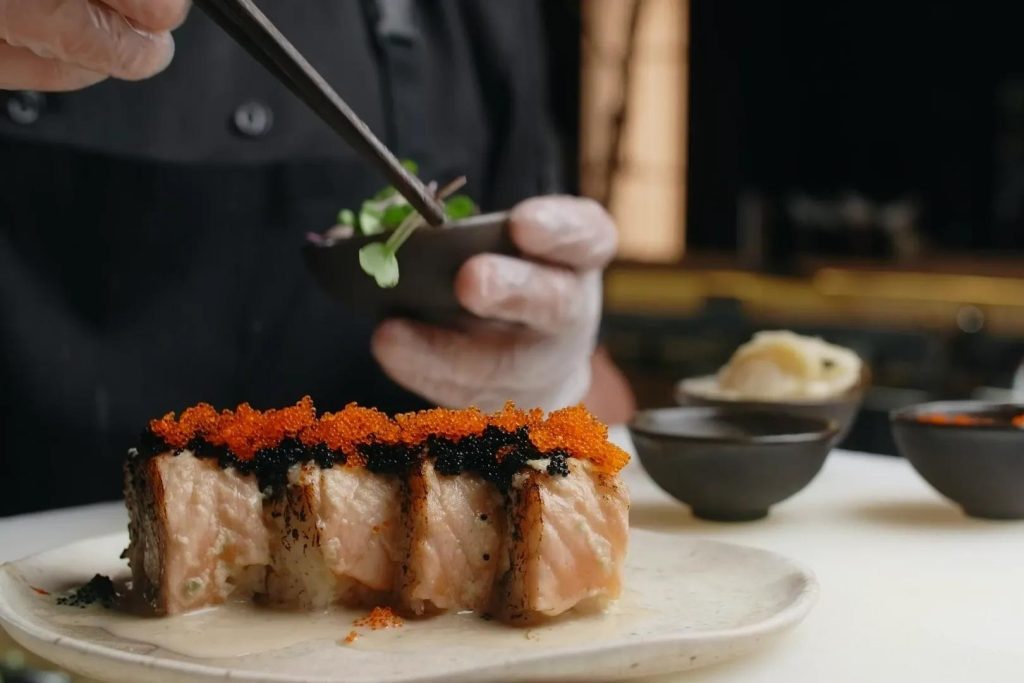
Ganko Sushi proves that pedigree and affordability are not mutually exclusive. As the Singapore outpost of the Osaka-based group with over a hundred outlets in Japan, it brings the philosophy of washoku to a more relaxed setting. We appreciate how it strips away intimidation without compromising on fundamentals.
There are only two omakase options — the 15-course Chef’s Tasting Menu ($138) and a 1-for-1 pairing at $198 for two — keeping decisions straightforward. The concept’s strength lies in its sushi. Each piece is formed with fluid, practised motions; the shari arrives lightly warm, the fish precisely cut. We particularly enjoy their fondness for aburi, and the use of freshly grated wasabi from Shizuoka signals attention to detail. It is the kind of place we recommend when someone wants proper omakase craft without committing to a four-hour, four-figure ordeal.
What to note:
Service can occasionally feel stretched, and pacing may falter during busy periods. While quality is reliable, it lacks the intimacy of smaller, chef-owned counters.
5. Sushi Yujo
Best for: Modern flair with strong local personality
Estimated price: Lunch omakase roughly $68++ to $198++, Dinner omakase roughly $148++ to $348++
Website: https://www.sushiyujo.sg/
Location: 165 Tg Pagar Rd, #02-26 Amara Hotel, Singapore 088539 / Near Tanjong Pagar MRT
Why it made the list:
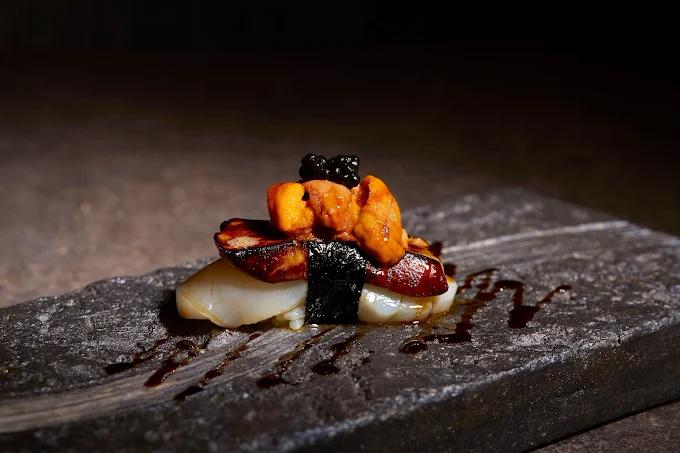
At Sushi Yujo, we find a confident balance between reverence and reinvention. Tucked within Amara Hotel, the space pairs a sleek black-and-ice palette with the reassuring familiarity of a traditional wooden counter. “Yujo” means friendship, and there is an openness to the experience — especially if we secure seats at the main counter, where the choreography of the chefs becomes part of the meal.
Chef Desmond Fong, formerly of Sushi Jin under the Les Amis Group, brings over 20 years of experience and a distinctly Singaporean perspective. Seafood arrives from Toyosu Market multiple times a week, yet the flavour progression leans bolder than strict Edomae orthodoxy. His signature Yujo and Shinzoku menus (dinner from $288++) showcase specialty aburi sushi alongside carpaccio and seasonal plates, while lunch begins at an accessible $68. This is omakase for diners who prefer richness, warmth, and a touch of theatricality over quiet austerity.
What to note:
While technically accomplished, the counter interaction can feel restrained. We would welcome more storytelling and engagement to elevate the overall intimacy of the experience.
6. Kakushin
Best for: Date nights with inventive storytelling
Estimated price: Around $168++ for light sushi course, $228++ for mid‑tier omakase, and $328++ for full omakase course
Website: https://www.kakushinfb.com/
Location: 6 Scotts Rd, #02 – 03, Singapore 228209 / Scotts Square area, near Newton MRT
Why it made the list:
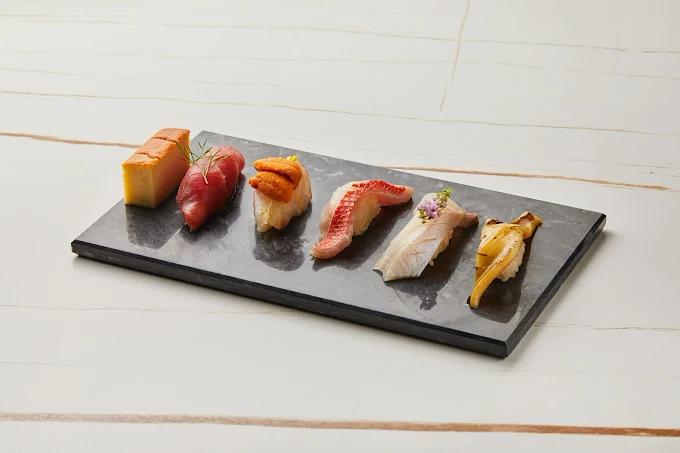
Kakushin — meaning “innovation” — wears its philosophy openly. Located along Scotts Road, it builds its omakase around the idea of illuminating Japan’s seasonal produce through technique and narrative. Chef Chan, whose résumé includes restaurants such as Tatsu Sushi and Akashi, brings decades of experience and a visible enthusiasm for his ingredients. We particularly enjoy how he shares stories behind the seafood, sometimes even presenting photographs from his personal references.
The cooking respects tradition but is unafraid of experimentation. House-made ponzu and shoyu are fermented for up to seven days, and dishes such as sous vide Kagoshima wagyu (prepared for over 30 hours) demonstrate technical precision layered with creativity. Menus range from the Raito Sushi Course ($168++) to the more elaborate Shin Omakase ($328++). The experience feels thoughtful and earnest — refined without being overly rigid — making it well-suited for intimate evenings.
What to note:
Execution can occasionally falter. Some diners report uneven pacing between courses or ingredients that do not always feel at peak brilliance. For the price tier, expectations are understandably high.
7. Sen-ryo
Best for: Bang-for-your-buck omakase
Estimated price: Weekday lunch omakase around $68++, weekend lunch $128++, dinner omakase from around $198++
Website: https://www.facebook.com/senryosing/
Location: Orchard Turn, #03 – 17/18, Singapore 238801 / ION Orchard, near Orchard MRT
Why it made the list:
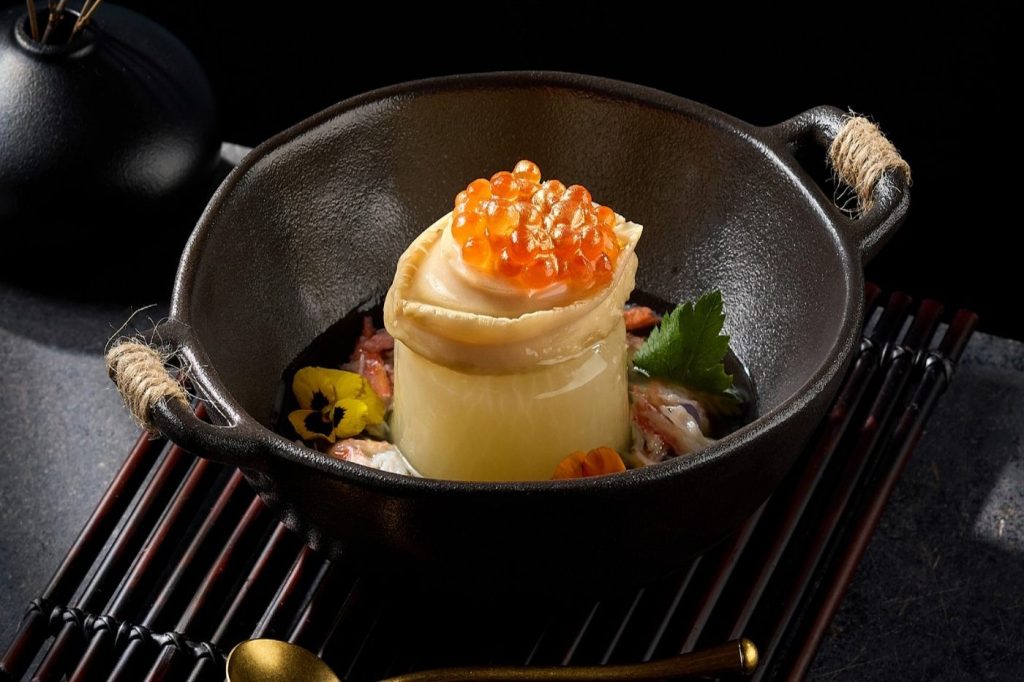
Sen-ryo proves that accessibility need not mean compromise. Known for its success in Hong Kong before arriving in Singapore, the ION Orchard outlet now offers an omakase programme that feels remarkably generous for the price. The weekday lunch omakase delivers 18 courses at $68++, albeit within a 90-minute window — a proposition that is difficult to ignore in Orchard.
Expect seasonal sashimi, chawanmushi, assorted nigiri and gunkan, alongside premium touches such as uni gunkan, otoro, ikura, aka ebi, and engawa shio aburi. Each chef retains room for personal flair, and introductions accompany every course. We find the sushi particularly strong: delicately seasoned rice, clean cuts of fish, and consistent execution that punches above its bracket. For those testing the waters of omakase without venturing into three-figure lunches, this is a pragmatic and satisfying entry point.
What to note:
Despite its polish, the experience can feel somewhat standardised. Some diners may leave impressed by value, yet struggle to recall a singular, defining moment.
How We Selected These Omakase Counters
Choosing the “best” omakase in Singapore is less about hype and more about coherence. We assessed each restaurant through a critical lens, asking whether its philosophy translated clearly onto the plate.
We looked at:
- Chef presence and craft — Is the chef actively leading the counter, or is the experience diluted?
- Ingredient integrity — Are seasonal imports genuinely treated with care, or simply name-dropped?
- Menu structure and pacing — Does the meal build thoughtfully from light to rich?
- Value relative to price tier — Not cheap versus expensive, but whether it justifies its bracket.
- Atmosphere and service — Does the setting enhance trust, or distract from it?
- Distinct identity — In a sea of Edomae formats, does the restaurant offer a reason to return?
Omakase is, by definition, an act of surrender. We prioritised counters that reward that trust.
Tips on Deciding Which Omakase Experience to Pick
Not every omakase is designed for every diner. Before booking, it helps to consider what you are truly seeking from the experience.
Ask yourself:
- Are you new to omakase? Look for approachable menus with clear progression and less experimental flavour pairings.
- Do you prefer bold or delicate flavours? Some chefs lean heavily into aburi and richer sauces; others champion restraint.
- Is interaction important to you? Smaller counters tend to offer deeper engagement.
- Is ambience part of the occasion? Date nights, business dinners, and casual lunches all call for different settings.
Clarity on these points makes the decision far easier — and prevents mismatched expectations.
Omakase experiences have become increasingly accessible over the years, with many places now offering sub-$100 menus that still deliver despite the reduced pricing. As more people become accustomed to this trend, crossing the $300 mark shifts the conversation entirely. Here, we expect:
- Limited seating and stronger chef presence
- Daily flown-in seasonal produce
- Complex curing, ageing, or fermentation processes
- Carefully paced multi-hour experiences
- Deeper personal interaction
The question is not whether it is objectively “better”, but whether you appreciate the nuances. For diners attuned to rice temperature, knife work, and subtle flavour layering, the premium tier can feel revelatory. For others, the marginal gains may not justify the cost. Intent matters more than price.
Final Thoughts
Whether it’s your first omakase or your tenth, consider what matters most to you: budget, menu style, pace, and setting. Affordable options can deliver a satisfying introduction, while premium experiences reward attention to detail and seasonality. Check seating arrangements, timing, and service expectations before booking, so that your choice fits both your palate and your occasion. Thoughtful selection ensures your omakase experience is memorable, enjoyable, and suited to what you truly want from the meal.
Frequently Asked Questions (FAQ)
1. Given the exclusivity of these selections, what is the standard lead time for securing a counter seat?
Most top-tier counters in Singapore now open their booking windows 30 to 60 days in advance, often releasing slots on the first of each month. For the most sought-after spots, it is advisable to join waiting lists or check for cancellations 48 hours prior, as the city’s dining scene remains highly competitive.
2. How do these high-end establishments typically handle dietary restrictions or specific seafood allergies?
While traditional omakase is “chef’s choice,” most refined venues can accommodate allergies if notified at least 72 hours in advance. However, very few provide a strictly vegetarian or vegan omakase experience, as the curriculum is fundamentally built around the seasonality of fish and dashi.
3. What is the prevailing etiquette regarding bringing personal sake or wine to these boutique counters?
Singapore’s elite sushi bars generally prefer guests to explore their curated pairings, but those that allow outside bottles typically enforce a “1-for-1” policy or a corkage fee starting at $100. If you do bring a rare bottle, it is considered a polite gesture of respect to offer the chef a glass.
4. Are there specific months when the ingredient quality significantly differs due to Japanese seasons?
While air-flown shipments arrive daily in Singapore, the most distinct shifts occur during the transition to Spring (late March) for sakura-dai and Autumn (October) for sanma and shirako. Visiting during these shoulder seasons often yields a more unique menu compared to the standard premium staples found year-round.