

Singapore has tons of famous dishes like Hainanese chicken rice and laksa, but few truly embodies the nation’s culinary identity quite like chilli crab. Equal parts indulgent, communal, and unapologetically messy, this iconic seafood dish has come a long way from its humble seaside beginnings into one of the country’s most celebrated culinary exports. Today, you’ll find countless interpretations across seafood restaurants, zi char establishments, and fine dining venues alike. Yet with market-priced crabs regularly costing upwards of $80 to $150 or more, choosing where to satisfy your chilli crab cravings has become a decision worth making carefully.
The good news is that Singapore remains home to several restaurants that have spent decades perfecting their recipes, refining their sauces, and sourcing premium crabs worthy of the nation’s unofficial national dish status. In this guide, we’ve highlighted the places that continue to deliver the best chilli crab in Singapore, alongside practical advice on choosing the right restaurant, understanding different chilli crab styles, and deciding which experience best matches your preferences.
Quick Picks: Best Chilli Crab Restaurants in Singapore for 2026
-
Best for Heritage Experiences
If tasting the historical roots of Singapore’s national dish matters most to you, prioritise restaurants that have helped shape chilli crab’s evolution over the decades.
-
Best for First-Time Visitors
For those trying chilli crab for the very first time, a balanced sauce profile, premium crab quality, and broad appeal are often the safest bets.
-
Best for Premium Seafood Experiences
If you’re prepared to splurge, look for restaurants known for exceptional live seafood sourcing and meticulous preparation.
-
Best for Adventurous Diners
Those seeking something beyond traditional chilli crab should consider restaurants offering unique sauces, flavour profiles, or cooking techniques.
-
Best for Group Celebrations
Larger gatherings benefit from restaurants with extensive seafood menus, spacious dining environments, and multiple signature dishes to share.
1. Red House Seafood
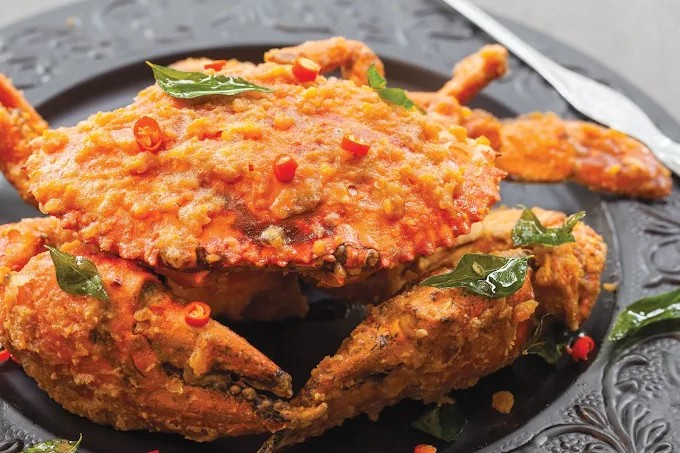
Best for: Refined Dining Experiences, Seafood Purists, Special Occasions
Estimated price: Seasonal pricing
Website: http://www.redhouseseafood.com/
Why it made the list:
If we had to recommend a chilli crab experience that best captures Singapore’s obsession with premium seafood craftsmanship, Red House Seafood would be among our top picks. Having spent nearly five decades refining its interpretation of Nanyang-style seafood cuisine, the restaurant approaches Singapore chilli crab not merely as a crowd-pleasing staple, but as a showcase of sourcing, technique, and culinary heritage.
Its signature Red House Chilli Crab is prepared using Sri Lankan mud crabs, prized for their exceptionally meaty claws and naturally sweet, firm flesh. In our opinion, what immediately separates Red House’s rendition is the sauce since they opt for a richer, more layered approach rather than relying heavily on sweetness or excessive tomato notes. The sauce delivers a robust savouriness, balanced heat that lingers pleasantly at the back of the throat, and a deep tomato profile without veering into acidity. Paired with crisp golden mantou, it becomes the sort of dish that justifies getting one’s hands thoroughly dirty.
We also appreciate the restaurant’s unwavering commitment to seafood stewardship. From direct sourcing relationships to meticulous monitoring of live seafood conditions, Red House’s emphasis on traceability and quality control is reflected in every bite.
2. No Signboard Seafood
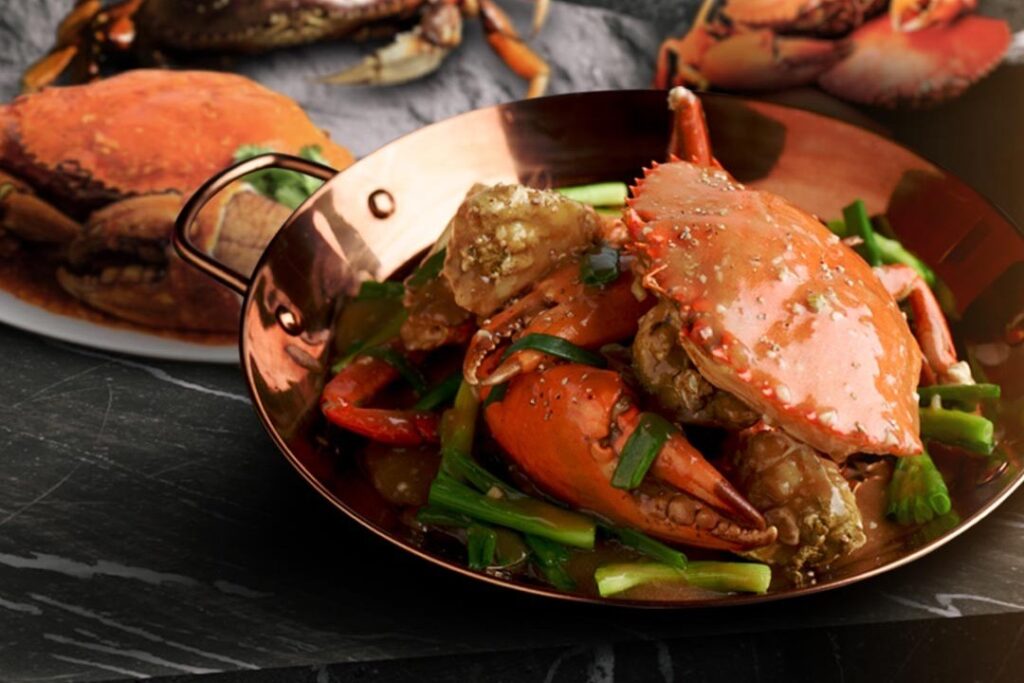
Best for: Traditionalists, Savoury Chilli Crab Lovers, First-Time Visitors\
Estimated price: Seasonal pricing
Website: https://nosignboardseafoodatgeylang.shop/
Why it made the list:
Few names carry as much historical weight in Singapore’s seafood scene as No Signboard Seafood. The restaurant began as an unassuming stall at Mattar Road Hawker Centre in the late 1970s and eventually evolved into one of Singapore’s most recognisable seafood restaurant, largely thanks to its reputation for exceptional crab dishes.
Its Singapore Chilli Crab remains one of the strongest examples of the more savoury, traditional style of chilli crab. The crabs themselves are generously sized and expertly cooked, producing succulent meat that remains sweet and tender beneath a thick coating of rich, spicy-savoury gravy. Unlike many contemporary interpretations that lean heavily into sweetness or tomato ketchup, No Signboard’s recipe draws inspiration from Peranakan flavours and spices, resulting in a sauce with greater complexity and depth.
We particularly appreciate the ability to customise the spice level, allowing diners to tailor the experience according to their heat tolerance. Paired with fried mantou and a side of crab fried rice, this combination feels quintessentially Singaporean. While the restaurant’s legendary White Pepper Crab often steals the spotlight among regulars, its chilli crab remains one of the most faithful and satisfying renditions available today.
3. Chin Huat Live Seafood
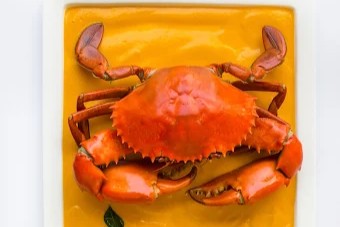
Best for: Adventurous Diners, Unique Crab Preparations, Group Gatherings
Estimated price: Seasonal pricing
Website: https://www.chinhuatliveseafood.com/
Why it made the list:
Chin Huat Live Seafood has been synonymous with premium live seafood since the early 1980s, when founder Low Chin Huat helped popularise the concept of cooking seafood directly from live tanks. Decades later, the restaurant continues to attract diners seeking both traditional and unconventional crab experiences.
Although many diners visit specifically for its famous Golden Sauce Crab, we believe Chin Huat deserves recognition for offering one of Singapore’s more distinctive approaches to crab preparation. Its signature Golden Sauce Crab, prepared using Sri Lankan crab and a house-made pumpkin sauce, is unlike virtually anything else on the market. The steamed pumpkin is mashed into a creamy sauce with a uniquely powdery texture, elevated further by curry leaves and bird’s eye chillies. The result is rich, aromatic, and deeply comforting.
For chilli crab purists, however, Chin Huat’s traditional chilli crab is equally compelling. It delivers a noticeably spicier profile than many competitors, combining homemade sambal, tomato paste, egg, and chilli sauce into a thick, flavour-packed gravy that complements the sweetness of the crab meat beautifully.
What to note:
Some recent diners have reported inconsistencies in the quality of the chilli crab, with occasional complaints about smaller portions of crab meat and a perceived decline in the overall meat-to-shell ratio. Experiences may therefore vary depending on the day and season.
4. Roland Restaurant
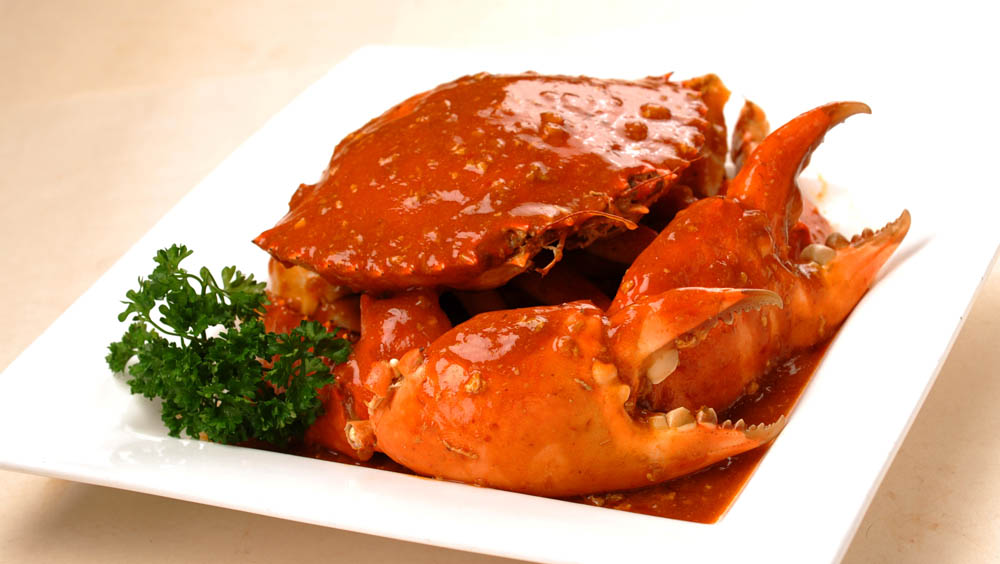
Best for: History Buffs, Chilli Crab Purists, Heritage Food Experiences
Estimated price: ~$88
Website: https://www.rolandrestaurant.com.sg/
Why it made the list:
No discussion of Singapore chilli crab would feel complete without Roland Restaurant. Widely recognised as the spiritual birthplace of chilli crab, the restaurant traces its origins back to the 1950s, when Cher Yam Tian first experimented with combining fresh crab and local flavours at a humble roadside stall.
Today, Roland Restaurant continues to preserve that legacy while carefully adapting the dish for modern palates. Its current rendition of chilli crab remains remarkably faithful to the original recipe, albeit with subtle refinements. The sauce is less overtly sweet than earlier versions, with reduced reliance on tomato ketchup and greater emphasis on chilli heat and savoury balance. The addition of egg lends extra richness and texture, creating a gravy that remains vibrant, comforting, and unmistakably Singaporean.
We also admire the restaurant’s commitment to preserving culinary history since those interested in experiencing chilli crab as previous generations once enjoyed it can still request an off-menu version that more closely resembles Cher Yam Tian’s original recipe. Few dining experiences in Singapore offer such a direct connection to the origins of the nation’s unofficial national dish.
What to note:
While Roland Restaurant’s historical significance is unquestionable, some diners have reported inconsistencies in execution. Complaints occasionally centre around thinner sauces, varying spice-to-sweetness ratios, and fluctuations in crab freshness and meat quality.
5. Long Beach
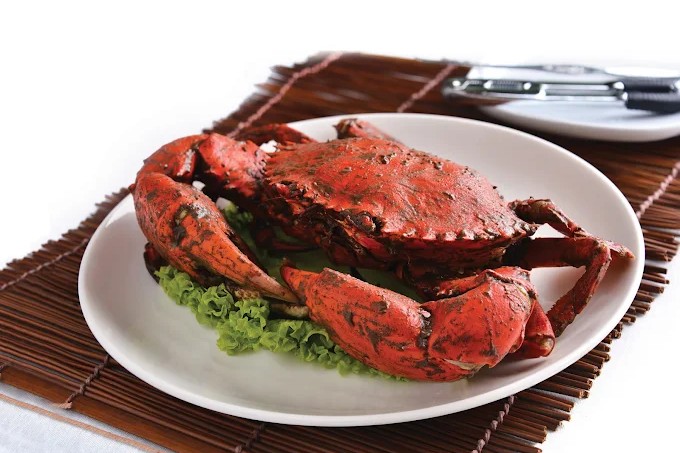
Best for: Premium Crab Experiences, Large Groups, Black Pepper Crab Fans
Estimated price: $11.80++/100g (800 g – 1199g), $14.80++/100g (1200g and above)
Website: http://www.longbeachseafood.com.sg/
Why it made the list:
Long Beach Seafood may be best known as the birthplace of Singapore’s iconic black pepper crab, but overlooking its chilli crab would be a serious mistake. Over four decades of specialising in premium live seafood have enabled the restaurant to perfect not only one signature crab dish, but several.
Its Famous Chilli Crab is available in either live XL mud crab or live Dungeness crab, allowing diners to choose between different textures and flavour profiles. We generally favour the mud crab version for its sweeter flesh, firmer texture, and satisfyingly substantial claws. The accompanying sauce strikes an excellent balance between sweetness, savouriness, acidity, and spice. Rich with egg and tomato, yet restrained enough to avoid overwhelming the crab itself, it clings beautifully to every piece of meat.
Long Beach’s rendition features no unnecessary embellishments or attempts to reinvent the wheel; instead, the restaurant focuses on delivering a polished, luxurious interpretation of a Singaporean classic. Combined with crispy fried mantou or simply spooned over rice, it becomes the kind of meal that reminds us exactly why chilli crab remains one of Singapore’s greatest culinary exports.
How We Chose These Chilli Crab Recommendations
When evaluating Singapore’s best chilli crab restaurants, we looked beyond reputation alone. After all, a famous name does not necessarily guarantee a memorable crab experience. Instead, we considered several factors that consistently separate good chilli crab from exceptional chilli crab:
- Quality and sourcing of crabs: The freshness, species, size, and meatiness of the crab remain the single biggest determinants of a satisfying meal.
- The chilli sauce itself: We evaluated the balance between sweetness, savouriness, spice, acidity, and texture, as the sauce is arguably as important as the crab.
- Consistency over time: Restaurants with strong reputations built across decades naturally received greater consideration.
- Distinctiveness: We prioritised establishments that offer something unique, whether historical significance, signature preparation methods, or proprietary recipes.
- Overall dining experience: Service standards, atmosphere, seafood expertise, and complementary dishes were also factored into our recommendations.
Ultimately, our selections prioritise restaurants that continue to justify the premium prices associated with Singapore’s most iconic seafood dish.
How to Choose the Right Chilli Crab Restaurant
Not all chilli crab experiences are created equal. Before making a reservation, it’s worth considering what kind of experience you’re actually looking for.
- Consider your preferred sauce profile: Some restaurants favour sweeter, tomato-forward gravies, while others lean towards savoury, spicy, or more complex flavours.
- Look at the type of crab used: Sri Lankan mud crabs remain the gold standard for many diners due to their sweet, firm meat and substantial claws.
- Decide between heritage and innovation: Traditionalists may prefer establishments preserving classic recipes, while adventurous diners might enjoy unique reinterpretations.
- Think about the occasion: Casual family dinners, business entertainment, and celebratory meals often call for very different dining environments.
- Check current reviews for consistency: As seafood quality can fluctuate seasonally, recent customer experiences remain valuable indicators.
Since chilli crab is rarely an inexpensive meal, taking a few extra minutes to research beforehand can make all the difference.
Understanding the Different Styles of Singapore Chilli Crab
Despite sharing the same name, chilli crab varies considerably from restaurant to restaurant. Understanding these differences can help you identify the style you’ll enjoy most.
Traditional heritage-style chilli crab typically features stronger tomato ketchup notes, moderate spice levels, and a sweeter overall flavour profile. These recipes often remain closest to the versions popularised during the 1950s and 1960s.
Modern restaurant-style chilli crab, meanwhile, tends to pursue greater balance. Contemporary interpretations often reduce sweetness, increase savouriness, and incorporate richer textures through the use of eggs, seafood stock, and proprietary spice blends.
Finally, some establishments have developed their own distinctive interpretations altogether, incorporating ingredients such as pumpkin, Peranakan spices, or more aggressive chilli profiles. None of these approaches are necessarily superior; rather, they reflect the remarkable evolution of one of Singapore’s most beloved dishes.
Why Crab Quality Matters More Than You Think
While much attention is often placed on the sauce, seasoned seafood lovers understand that great chilli crab begins with the crab itself.
Many of Singapore’s top seafood restaurants rely on Sri Lankan mud crabs, which are highly prized for their naturally sweet flesh, firm texture, and impressive claw size. The best establishments also maintain strict sourcing and husbandry practices, ensuring that crabs are transported, stored, and prepared under optimal conditions.
Freshness directly affects not only flavour but also texture. Properly handled crab meat should be sweet, succulent, and slightly springy. Poorer-quality specimens, by contrast, can taste bland, watery, or develop an undesirable mushy consistency. Given that chilli crab is often ordered at market prices, selecting a restaurant with a proven track record of seafood sourcing can significantly improve the overall experience.
Final Thoughts
Choosing the best chilli crab in Singapore ultimately comes down to what kind of experience you’re hoping to have. Whether you’re searching for the historical origins of the dish, a luxurious seafood feast, or simply an excellent first introduction to Singapore’s unofficial national dish, there’s no shortage of outstanding options available. By considering factors such as sauce style, crab quality, dining occasion, and restaurant consistency, you’ll be far more likely to enjoy a chilli crab experience that’s worth every dollar — and every messy, sauce-covered finger.
Frequently Asked Questions (FAQ)
1. How can diners navigate “Market Price” listings to avoid unexpected costs at the register?
Singapore seafood establishments traditionally price live crab by weight, typically per 100 grams, which fluctuates depending on daily supply. Always ask your server to confirm the exact weight and total estimated cost before the kitchen begins preparation. Furthermore, note that incidental items like wet towelettes and appetizers placed on the table are usually billable, though you can request their removal upon arrival.
2. Does the time of day or year impact the quality and availability of the crabs at these venues?
Mud crabs are imported year-round, but regional monsoon seasons can occasionally squeeze supply, leading to smaller sizes or higher prices during the year-end festive season. To secure the ideal crab size for your group, consider booking an earlier dinner slot, as premium-sized crabs frequently sell out before the late-night rush.
3. What are the realistic options for solo diners or pairs given the standard portion sizes of these dishes?
Because the ideal eating weight for a quality mud crab typically starts around 800 grams to one kilogram, a single dish is best suited for sharing between at least two or three people. For solo travelers, it is worth asking if the kitchen can prepare smaller crab claws or a deshelled version in the same signature sauce to experience the flavor profile without ordering an overwhelming portion.