
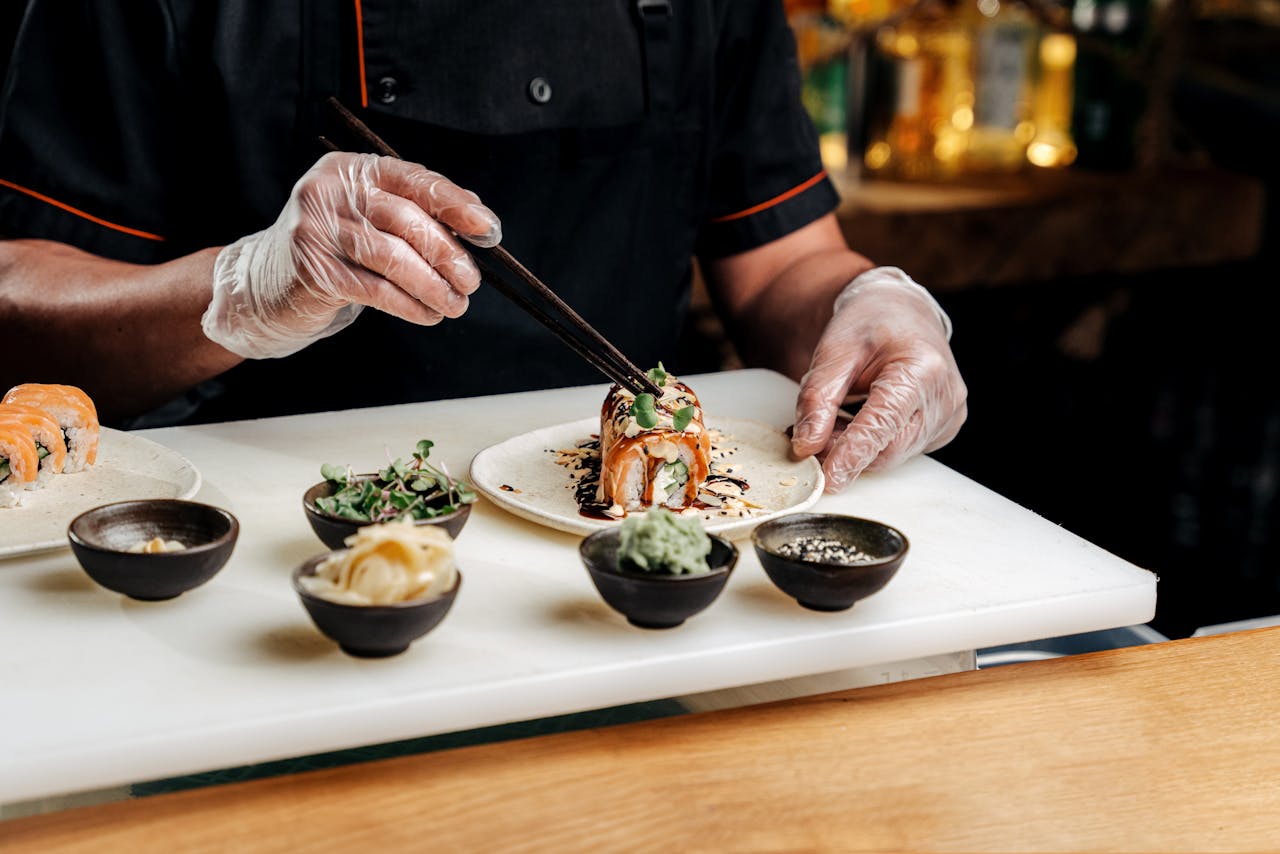
Singapore’s CBD area is arguably the city’s most competitive dining district for Japanese fine dining. Within a few city blocks, you’ll find Michelin-starred sushi counters, chef-led kappo kitchens and inventive omakase concepts pushing the boundaries of what the format can be. The restaurants we’ve selected stand out not simply because they serve excellent sushi, but because each offers a distinct interpretation of the omakase experience — whether through impeccable sourcing, strong chef personalities, unique dining formats or exceptional value.
In other words, these are places we’d confidently recommend when someone asks where to go for omakase in the CBD. Some are destinations for once-a-year splurges, others work surprisingly well for weekday lunches. And to help you navigate the options, we’ve also included helpful tips later in the guide — from how we evaluated these restaurants to how you can pick the right omakase experience for your own dining plans.
Note: Prices, menus, and promotions may change over time. It’s always best to
check the restaurant’s latest menu before booking.
Last updated: March 2026
Quick Picks: Best Omakase in the CBD
If you’re short on time, these quick picks highlight the restaurants that stand out in specific scenarios.
- Best for High-End Sushi:
Shoukouwa delivers one of the most authentic Edomae sushi experiences in Singapore, backed by impeccable sourcing and a two-Michelin-star pedigree. - Best for Traditional Kyoto Kaiseki:
Ikkoten Omakase offers a refined Kyoto-style progression that emphasises balance, subtlety and seasonal ingredients. - Best for Value Omakase:
Sushi to Sumi proves that a satisfying omakase experience doesn’t have to cost a fortune, especially during lunch. - Best for Unique Dining Concepts:
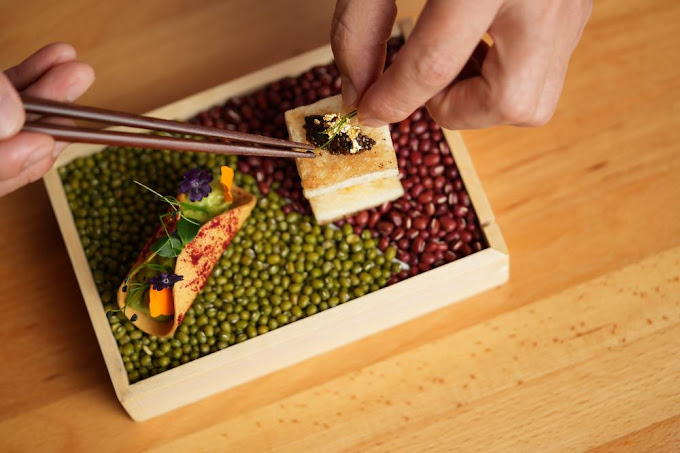
Ki Su Shoujin’s plant-based omakase reinvents the format entirely with imaginative vegetarian interpretations of classic Japanese dishes. - Best for Special Occasions:
Hamamoto’s Michelin-starred counter combines exceptional produce with an intimate chef-led experience ideal for milestone celebrations.
1. Hamamoto
Best for: Special Occasions
Estimated price: Lunch omakase from $280++; dinner menus from $425++ to $550++ depending on experience chosen.
Website: https://hamamoto.com.sg/
Location: 58 Tras St, Singapore 078997 / Nearest MRT: Tanjong Pagar MRT (EW15) (~7 min walk)
Why it made the list:
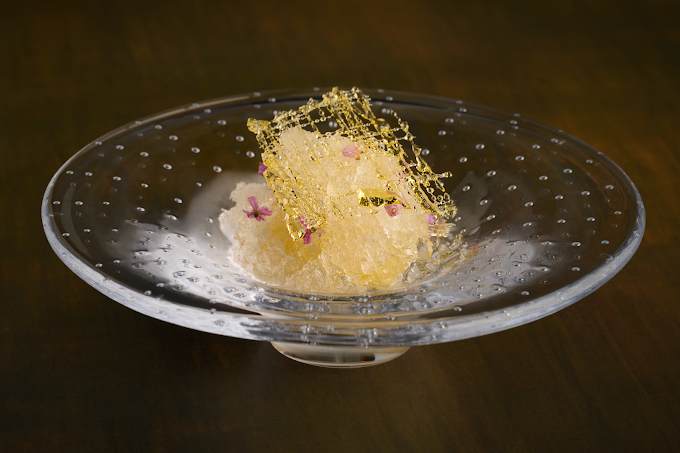
When we think of omakase in Singapore’s CBD that truly feels like an occasion, Hamamoto inevitably comes to mind. Tucked away along Tras Street, the 12-seat sushi-kappo counter is helmed by Kyoto-born chef Kazuhiro Hamamoto, whose Michelin-starred restaurant distils years of experience into an elegant, quietly confident dining experience. The setting itself sets the tone: a curved hinoki counter — the only one of its kind in Singapore — anchors the room, while a deliberately austere interior ensures that the focus never strays far from the plate.
What we appreciate most here is the chef’s unwavering commitment to seasonality. Hamamoto has cultivated relationships with top producers across Japan, ensuring that each ingredient arrives at its absolute peak. The result is a menu that feels balanced yet expressive, with standouts such as his celebrated uni pairing — a luxurious combination of bafun and murasaki uni layered with sweet ebi and caviar — delivering both richness and finesse. Just as memorable is Chef Hamamoto himself: personable, witty, and present throughout the meal, making the experience feel deeply personal.
What to note:
Reservations are notoriously difficult to secure and may require months of planning. The top-tier omakase experiences are also among the priciest in the CBD, which means some diners may question whether the jump to the highest-tier menu is strictly necessary.
2. Sushi to Sumi
Best for: Quick Lunch Omakase
Estimated price: From about $30++ up to ~$120++
Website: https://www.sushitosumi.com/
Location: 20 Cecil Street #02‑01 / Downtown MRT.
Why it made the list:
In a neighbourhood where omakase often veers towards hushed counters and multi-hour meals, Sushi to Sumi offers something refreshingly different. Conceptualised by Japanese seafood wholesaler Goodvibes, the restaurant takes the unusual step of removing seats entirely. Guests gather around an L-shaped counter and enjoy their omakase standing — an unconventional approach that, in truth, makes a surprising amount of sense in the CBD where time is often at a premium.
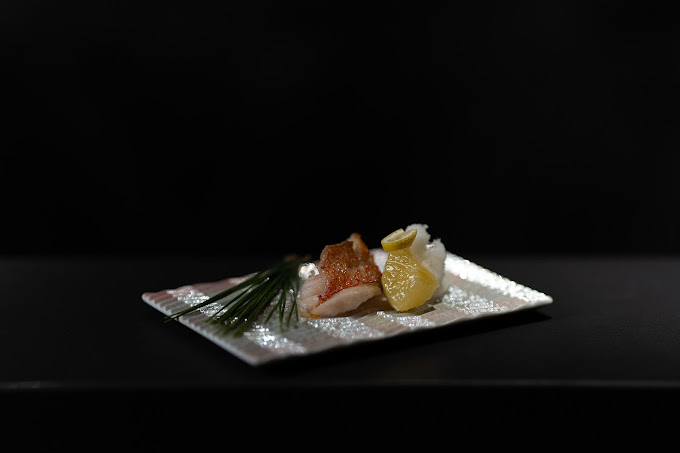
What truly sets Sushi to Sumi apart, however, is value. The entry-level Ume set begins at just $38 for lunch (or $50 at dinner), delivering eight pieces of sushi alongside grilled seafood and miso soup — a rarity in a city where omakase prices can escalate quickly. Despite the affordability, the seafood quality remains impressive. Expect a steady rotation of classics such as hamachi, chutoro, and amaebi, while richer cuts like engawa offer a satisfyingly fatty bite. The experience is brisk but lively, making it particularly well suited for office workers looking to elevate a weekday lunch without committing to a lengthy affair.
What to note:
Because the concept prioritises efficiency, pacing can feel rushed at times, leaving little room to linger over each piece. The standing format may also not appeal to everyone, and occasional inconsistencies — such as rice falling apart — can occur given the restaurant’s rapid turnover.
3. OUMI
Best for: Business Meals with a View
Estimated price: Omakase or tasting menus typically around $180++ to $228++ for a curated multi‑course experience.
Website: https://www.oumi.sg/
Location: 88 Market Street, #51‑01, CapitaSpring — Raffles Place / Downtown MRT area.
Why it made the list:
Few omakase experiences in Singapore come with quite the same sense of spectacle as Oumi. Located on the 51st floor of CapitaSpring, the restaurant pairs its kappo-inspired dining with panoramic views across Marina Bay — making it one of the city’s most elevated omakase experiences, both literally and figuratively. The setting alone makes a compelling case for a visit, but Oumi goes further by blending traditional Japanese techniques with a contemporary, sustainability-focused philosophy.
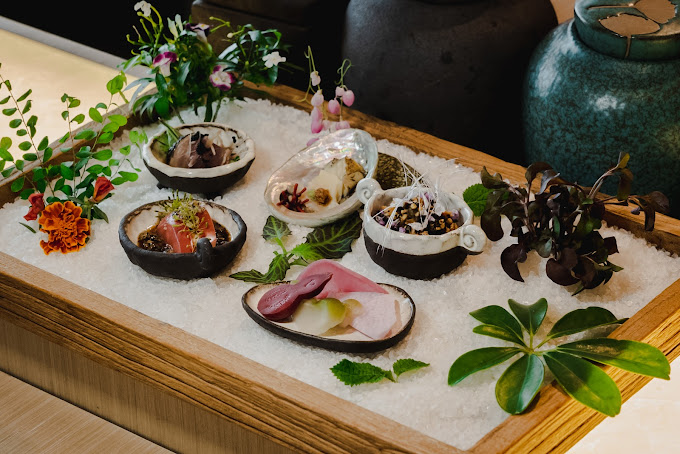
The restaurant sources ingredients from Japan and Australia while also incorporating produce from the adjacent 1-Arden Food Forest — the world’s highest urban farm. This connection to nature subtly threads through the menu, most noticeably in dishes such as the Hassun platter, where seasonal ingredients and edible flowers are arranged to resemble a miniature garden. The kitchen itself operates in an open format, allowing diners to watch chefs work across various stations, from sashimi and sushi to robatayaki and tempura. For us, Oumi feels particularly well suited for business lunches or celebratory dinners where ambience matters just as much as the food.
What to note:
While the views and setting are undoubtedly impressive, the experience leans towards contemporary Japanese rather than strict traditional omakase, which may surprise purists. There have also been occasional reports of booking inconsistencies on the reservation system, so it’s wise to confirm your reservation directly with the restaurant beforehand.
4. Miraku
Best for: Best Value Omakase
Estimated price: Lunch omakase from $88++; regular omakase around $178++; premium dinner from $228++ (approx based on menus).
Website: https://www.miraku.com.sg/
Location: 12 Gopeng St, #01-01 to 04 Icon Village, Singapore 078877 / Nearest MRT: Tanjong Pagar MRT (EW15) (~7 min walk)
Why it made the list:
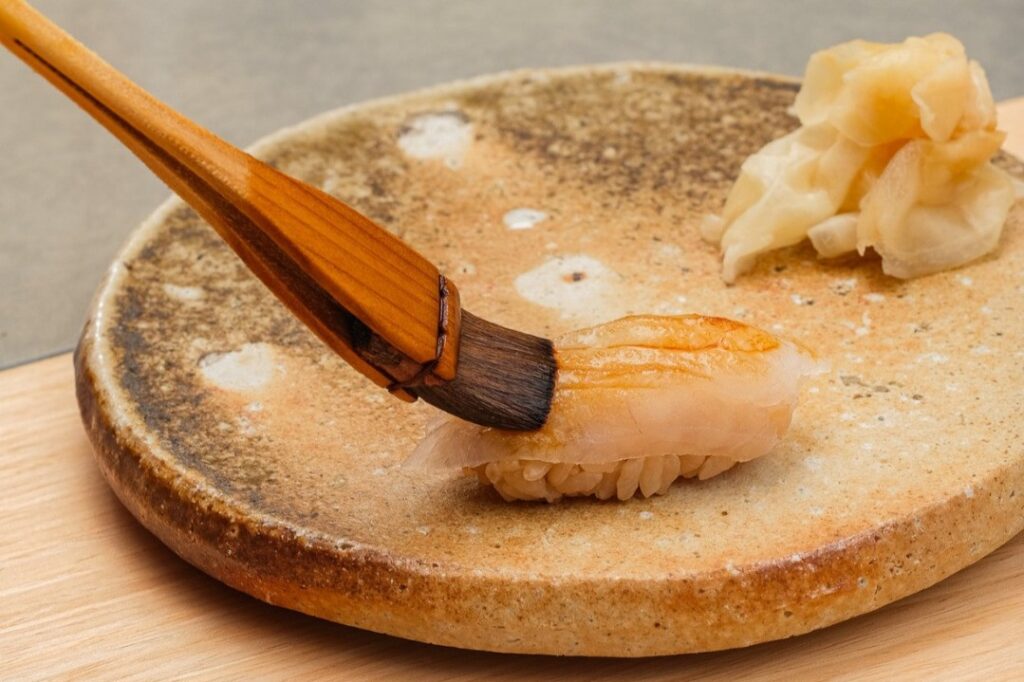
For diners seeking strong value without sacrificing quality, Miraku quietly stands out as one of the CBD’s most compelling omakase options. The intimate 18-seat restaurant sits within Icon Village and offers a calm, minimalist counter dining experience that contrasts sharply with the bustle just outside its doors. At the helm is Head Chef Chon, a veteran of Singapore’s Japanese fine dining scene whose two decades of experience show in the restaurant’s confident, balanced cooking.
Miraku strikes a thoughtful balance between tradition and subtle creativity. The menus range from an approachable lunch sushi course to a premium omakase dinner, yet even the higher-tier options remain relatively accessible by Singapore standards. Dishes such as the wagyu sukiyaki course — featuring Hokkaido beef from Lake Saroma served with an onsen egg dip — add welcome variety to the progression, while classics like chutoro sashimi arrive thickly sliced and paired with egg yolk, shoyu, and delicate shavings of mountain wasabi. The sushi itself is consistently well executed, and we particularly appreciate that the chef checks diners’ preferences for rice portion before the course begins — a small detail that reflects careful hospitality.
What to note:
While the food delivers strong value, the dining experience can feel slightly reserved. Chef interaction is limited at times, which may leave quieter moments during the meal where some diners might wish for a bit more engagement.
5. Ikkoten Omakase
Best for: Traditional Kyoto Kaiseki
Estimated price: Around $88++ to $128++ for lunch sets, with dinner omakase options typically around $99++ to $140++ (and higher depending on courses).
Website: https://ikkoten.com.sg/
Location: 86 Telok Ayer St, Singapore 048469 / Telok Ayer MRT.
Why it made the list:
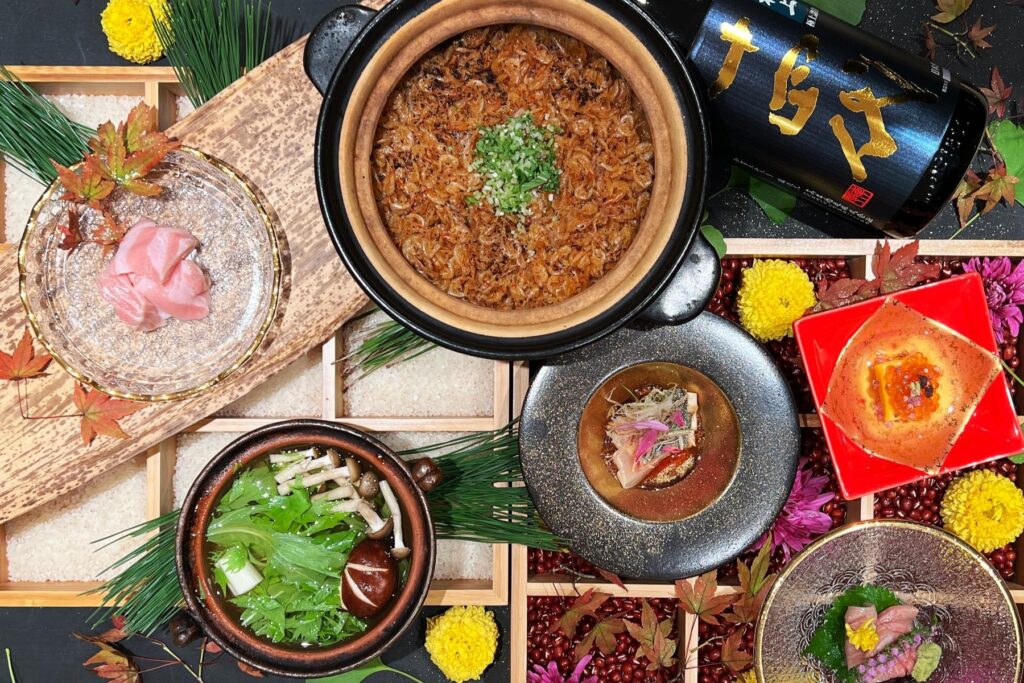
For those who prefer omakase that leans closer to Kyoto-style refinement rather than pure sushi theatrics, Ikkoten Omakase offers a quietly compelling experience in the CBD. The restaurant is helmed by Executive Chef Brandon Low, whose background in respected Japanese kitchens such as Yoshi and Chikuyotei shows through in the precision and restraint of his cooking. Rather than overwhelming diners with excess, Ikkoten takes a more classical approach rooted in Kyoto kaiseki traditions, where balance, seasonality and subtlety are central to the meal.
The intimate 10-seat counter reinforces that philosophy. Minimalist and serene, the space places all attention on the progression of dishes. Expect a structured but thoughtful sequence: delicate starters such as chilled chawanmushi, seasonal sashimi including tai or katsuo tataki, and grilled dishes like their signature Chilean seabass with nori butter. The meal eventually transitions into a sushi course that adds a touch of theatre, with highlights including negitoro uni monaka and a rotating handroll. At its core, Ikkoten is about quietly elegant cooking that respects Japanese tradition while incorporating small creative flourishes.
What to note:
While the flavours and execution are generally strong, the reservation process can occasionally be inconsistent. It’s worth confirming bookings in advance, particularly during busy periods.
6. Wakuda
Best for: Luxury Sushi & Wagyu Experiences
Estimated price: From $128++ to around $328++ (for omakase menus; individual omakase experiences like the 13‑course and 17‑course options fall within this range)
Website: https://www.marinabaysands.com/restaurants/wakuda-singapore.html/
Location: 10 Bayfront Avenue, Marina Bay Sands, Hotel Tower 2, Lobby, Singapore 018956 / Marina Bay (Bayfront MRT / Marina Bay Sands)
Why it made the list:
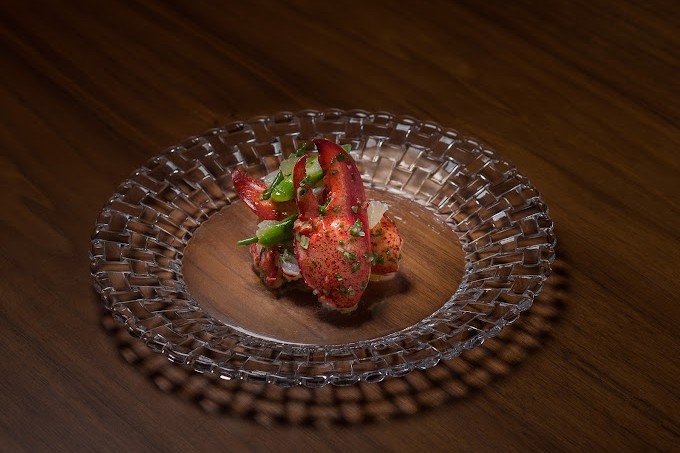
With the name of renowned chef Tetsuya Wakuda behind it, Wakuda carries a certain level of expectation — and for the most part, it delivers. Inspired by Tokyo’s Golden Gai district, the restaurant blends contemporary style with traditional Japanese technique, creating an omakase experience that feels polished yet energetic. Seasonal ingredients are flown in regularly from across Japan — including Hokkaido, Fukuoka, Shizuoka and Okinawa — ensuring that the menu evolves throughout the year.
The sushi omakase itself is carefully paced, beginning with pristine seafood selections before gradually building towards richer courses. Tasmanian ocean trout, ora king salmon and Okinawan specialties such as umibudo and mozuku make appearances depending on the season. Yet the true showstopper here is the wagyu. Chef Wakuda’s collaboration with Ohmi Wagyu specialist Daikichi has resulted in a proprietary line of mature female cattle, producing exceptionally marbled beef that melts almost instantly on the palate. For diners willing to indulge, the higher-tier omakase menus — complete with curated sake and wine pairings — turn the experience into a full-fledged celebration of Japanese produce.
What to note:
The omakase menus are available only on select days and time slots, which can limit booking flexibility. The experience also leans towards a polished luxury setting rather than an intimate chef-led counter interaction, which some purists may prefer elsewhere.
7. Shoukouwa
Best for: High-End Edomae Sushi
Estimated price: From approximately $380++ to $680++ (varied lunch and dinner omakase menus)
Website: https://www.shoukouwa.com.sg/
Location: 1 Fullerton Rd, #02-02A One Fullerton, Singapore 049213 / Raffles Place MRT
Why it made the list:
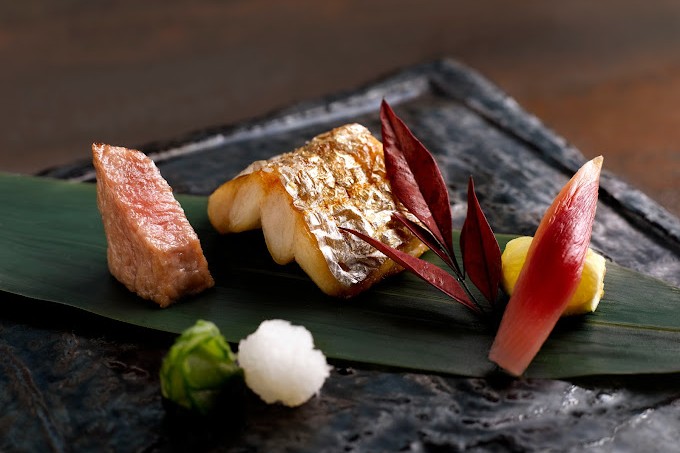
When discussing the pinnacle of sushi omakase in Singapore, Shoukouwa inevitably enters the conversation. Located at One Fullerton and holding two Michelin stars, it represents one of the most faithful expressions of traditional Edomae sushi in the city. The restaurant imports seafood daily from Tokyo’s Toyosu Market, ensuring that diners encounter ingredients at their seasonal peak — from delicately aged fish to impeccably handled shellfish.
The dining room itself is restrained yet quietly luxurious. At the centre sits a rare hinoki cypress counter crafted by a master Japanese woodworker who has produced furniture for the imperial family. Seating is limited to just a handful of guests, allowing the chefs to deliver an intensely focused dining experience where each nigiri is carefully prepared and served at precisely the right moment. The progression is elegant rather than flashy, emphasising the purity of flavour and subtle balance between fish and rice. For serious sushi enthusiasts, Shoukouwa remains one of the clearest expressions of Edomae craftsmanship outside Japan.
What to note:
The experience is undeniably expensive, even by Singapore’s omakase standards. While the quality justifies the reputation, the pricing places it firmly in the category of special-occasion dining rather than a regular indulgence.
8. Ki Su Shoujin
Best for: Plant-Based Omakase
Estimated price: Lunch around $98++, Dinner around $168++
Website: https://www.kisu.com.sg/
Location: 60 Tras St, #01-01, Singapore 078999 / Tanjong Pagar M
Why it made the list:
Among the many omakase counters in the CBD, Ki Su Shoujin easily stands out as the most unconventional. Founded by restaurateur Huang Yen Kun — known for his vegetarian restaurant Joie — the concept was inspired by a personal search for a vegetarian omakase experience that simply did not exist. The result is what is widely considered the world’s first fine-dining plant-based omakase, combining Japanese shojin philosophy with touches of French culinary technique.
Dining here feels less like a traditional sushi experience and more like an imaginative culinary experiment. The chefs create dishes that visually echo familiar sushi and seafood courses, yet reinterpret them entirely with vegetables and plant-based ingredients. A piece resembling uni may reveal itself as carefully prepared squash, while something that looks like tuna could be roasted capsicum. Rather than attempting to perfectly mimic seafood, the kitchen embraces the playful tension between expectation and reality, encouraging diners to approach each dish with curiosity. Even for committed meat eaters, the experience is surprisingly engaging — part tasting menu, part culinary puzzle.
What to note:
While the concept is inventive, service can occasionally feel less polished compared with other omakase restaurants at a similar price point. Diners expecting the seamless choreography of traditional sushi counters may notice the difference.
Why the CBD Has Become Singapore’s Omakase Capital
Singapore’s Central Business District has surreptitiously evolved into the city’s most concentrated hub for high-end Japanese dining. Several factors make the area especially attractive for omakase chefs.
For one, the CBD draws a steady clientele of professionals seeking refined yet intimate dining experiences. Omakase counters, with their limited seating and chef-led format, naturally fit this environment. Corporate dinners, celebratory meals and client meetings all benefit from the curated nature of the experience.
Logistics also play a role. Many of these restaurants rely on seafood flown directly from Japan several times a week. Being located near the city centre allows chefs to maintain tight supply chains and serve ingredients at peak freshness. The result is a dining ecosystem where chefs compete not only on quality, but on creativity and sourcing.
When to Book Omakase in the CBD
Timing can make a surprisingly large difference when planning an omakase meal in Singapore’s CBD.
Lunch omakase often offers the best value. Many high-end restaurants provide shorter lunch menus that showcase their craftsmanship at significantly lower prices than dinner courses.
Reservations can fill up weeks or months ahead. Smaller counters — especially Michelin-starred ones — operate with extremely limited seating.
Weekday evenings are prime time. Given the CBD crowd, many restaurants see their busiest services after work hours, particularly on Thursdays and Fridays.
If flexibility allows, booking earlier in the week or opting for lunch can significantly improve your chances of securing a seat.
Final Thoughts
Choosing the right omakase in Singapore’s CBD ultimately depends on what you want from the experience, be it Edomae craftsmanship, full-fledged fine dining occasions, or something entirely new. Think about the occasion, your budget and how interactive you want the meal to be — and you’ll find an omakase that feels perfectly suited to you.
Frequently Asked Questions (FAQ)
1. What is the typical lead time for securing a reservation at these establishments?
Most premium counters in the CBD require bookings at least two to four weeks in advance, especially for Friday evenings or peak lunch hours. Some boutique venues operate on a seasonal release system where the following month’s slots open on a specific date, so checking their digital booking platforms early is advisable.
2. How should dietary restrictions or allergies be managed within a fixed chef-led menu?
You should notify the restaurant at least 48 hours before your visit, as many chefs fly in specific ingredients daily from Japan based on the guest list. While shellfish or nut allergies are commonly accommodated, some traditional sushi-ya may be unable to cater to strict vegetarian or no-raw-seafood diets without compromising the meal’s integrity.
3. Are there significant differences in the experience between lunch and dinner seatings?
Lunch menus in the CBD are often more condensed and priced lower to accommodate business timelines, typically lasting 60 to 90 minutes. Dinner is a more leisurely, multi-course affair that often includes additional cooked appetizers (otsumami) and premium seasonal ingredients not always featured on the midday menu.