
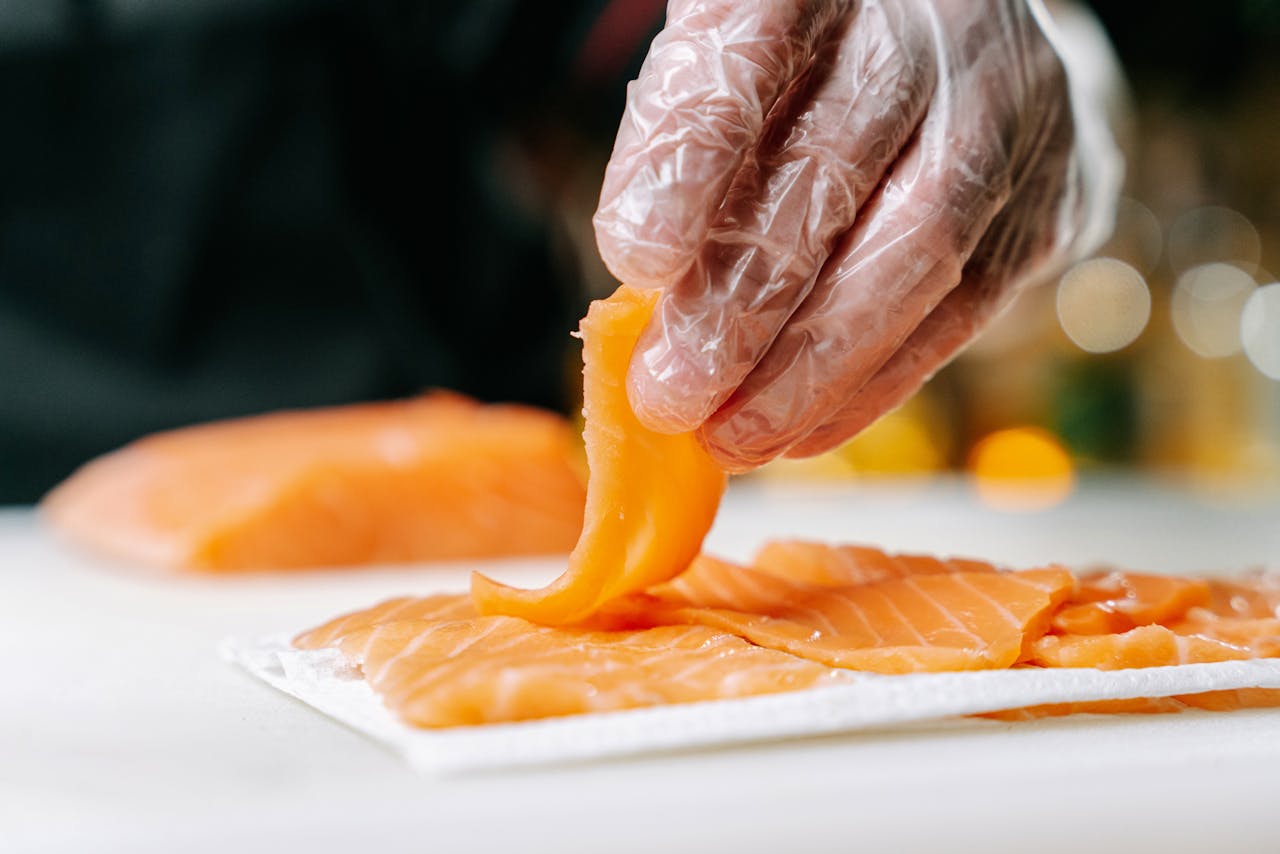
In Singapore, omakase is typically viewed as an experience that’s within luxury territory. At some of the city’s most prestigious sushi counters, a meal can easily exceed $400 per person. While these experiences are undeniably impressive, the reality is that not everyone is looking or able to spend that much on a single meal. The good news is that excellent omakase doesn’t have to come with a sky-high price tag. With a little discernment, it’s entirely possible to find chefs who work with quality produce and craft thoughtful tasting menus without charging luxury-tier prices.
At the sub-$150 price point, diners may need to compromise on some of the trappings of ultra-premium sushi bars — think pristine hinoki counters, kimono-clad service teams, or a master chef that hails from Japan. What matters far more, however, is the quality of the fish, the balance of the rice, and the chef’s ability to assemble a memorable progression of dishes. In this guide, we’ve rounded up omakase experiences in Singapore under $150 that deliver where it counts, along with helpful tips on how to choose the right counter and what to expect from the experience.
Quick Picks: Best Omakase Under $150
If you’re short on time, here are a few quick recommendations based on what each restaurant does best.
- Best for Creative Edomae–Kaiseki Fusion: Kairyu Omakase
A thoughtful blend of Edomae sushi and Kyoto-style kaiseki elements, perfect for diners who appreciate seasonal cooking and refined presentation. - Best for Casual Omakase: YUTA
A relaxed, approachable sushi counter with generous portions and memorable signature dishes like the uni rice bowl. - Best for Classic Sushi Without the Formality: Ganko Sushi
A dependable sushi-focused omakase that delivers solid technique and quality seafood in a laid-back environment. - Best for A Theatrical Experience: Shunsui
For diners who enjoy a little spectacle with their meal, Shunsui combines seasonal Japanese cooking with a visually engaging dining format. - Best for Affordable Lunch Omakase: Jun Omakase
A practical option for office workers and sushi lovers seeking a satisfying omakase lunch in the city centre.
1. Kairyu Omakase
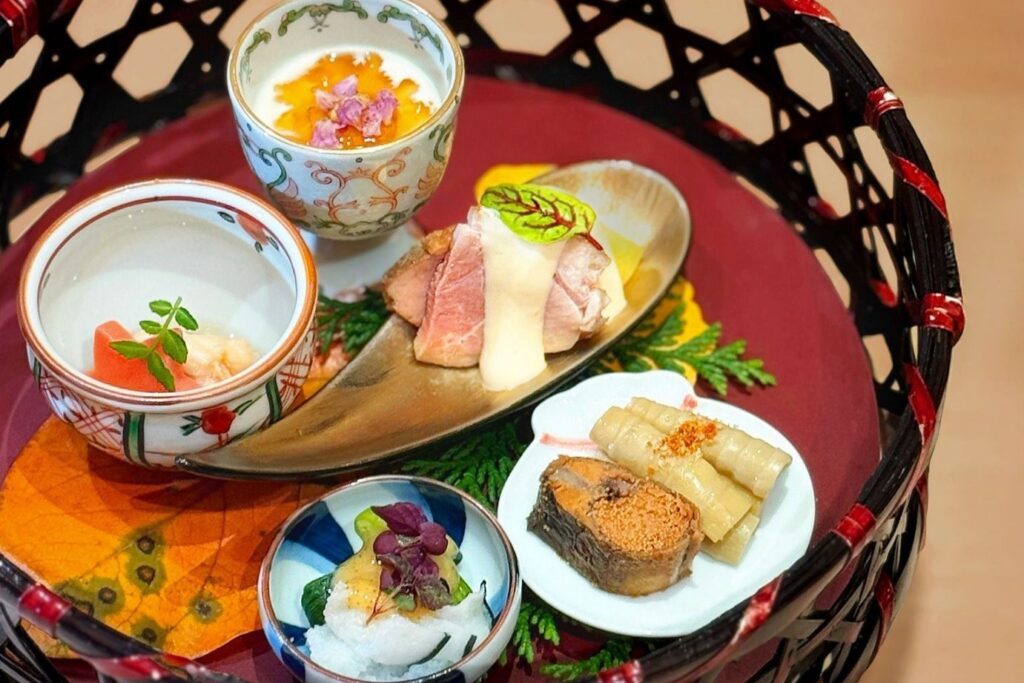
Best for: Creative Edomae–Kaiseki Fusion
Estimated price: Lunch from $78++ to ~$138++; dinner from $148++ to ~$198++ depending on menu selection.
Website: https://www.kairyu.com.sg/
Location: Omakase 33A Neil Rd, level 2, Singapore 088820 / Nearest MRT: Maxwell MRT (DT21) (~5 min walk)
Why it made the list:
Kairyu Omakase stands out for the way it thoughtfully bridges two pillars of Japanese cuisine: Edomae sushi and the refined multi-course philosophy of kaiseki. Helmed by Chef Naoki Tsujioka, who grew up in Kyoto and brings more than a decade of experience to the counter, the restaurant takes a distinctly seasonal approach to its omakase menus. Each course is designed to showcase ingredients at their peak while balancing texture, flavour, and presentation — a hallmark of traditional kaiseki cooking.
What we appreciate most is the clarity of the menu structure. Rather than overwhelming diners with endless variations, Kairyu keeps things focused: lunch starts from $78 and dinner from $148, with menus that lean either towards more cooked seasonal dishes or a stronger nigiri progression. The sushi itself is carefully executed, with warm, well-seasoned rice and pristine seafood. Throughout the meal, the team remains attentive, adjusting rice portions to your preference and explaining the dishes as they arrive. Add a well-curated sake selection featuring respected breweries such as Hakurakusei and Naoguchi, and Kairyu becomes one of the most compelling value propositions for refined omakase under $150.
What to note:
The restaurant’s location can make parking inconvenient, so it’s worth checking with the restaurant ahead of time if you’re driving. While the experience is polished overall, the area’s accessibility may require a little extra planning before your visit.
2. YUTA
Best for: Casual Omakase with Big Flavours
Estimated price: ~$115++ for the standard omakase menu
Website: https://www.instagram.com/yuta_orchard/
Location: 150 Orchard Rd, #02-12, Singapore 238841 / Orchard MRT (NS22 / Thomson‑East Coast Line)
Why it made the list:
Tucked behind striking blue doors in Orchard Plaza, YUTA is the sort of understated omakase spot we enjoy recommending to friends who want quality without the stiffness often associated with high-end sushi counters. Chef Jet Wai, who brings more than two decades of experience in Japanese cuisine, runs a tight but welcoming operation centred around a single $115++ omakase menu.
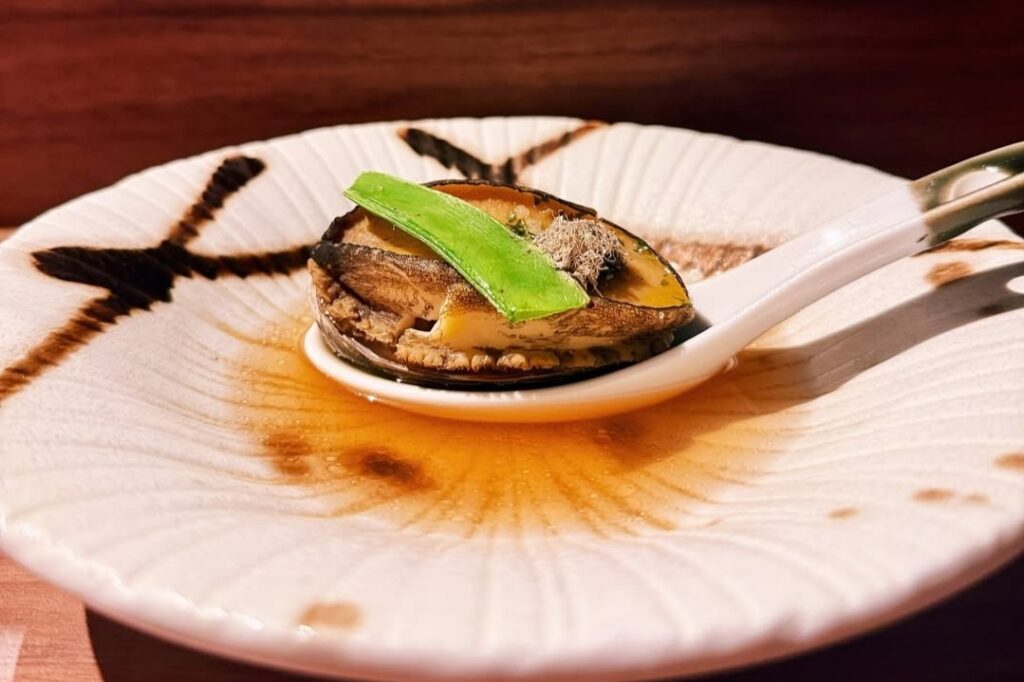
The 11-course experience strikes a thoughtful balance between consistency and seasonality. Three signature dishes remain constant, while the rest of the courses rotate every two weeks depending on available ingredients. That flexibility keeps the experience fresh for repeat diners. Among the standout dishes is the Hokkaido oyster topped with ikura and soy sauce — briny, plump, and deeply satisfying — as well as a charcoal-grilled A5 Wagyu sirloin served with wasabi and a playful bunny-shaped quail egg. The meal often culminates in YUTA’s beloved uni rice bowl, where creamy sea urchin is folded into rice before being topped with more uni and ikura for an indulgent finish. For the price, it’s one of the most generous and memorable omakase experiences we’ve had in this bracket.
What to note:
YUTA’s intimate space can get quite lively, and with minimal soundproofing, it may not be ideal for a quiet or romantic dinner. Seating can also feel a little cramped, with tall chairs that are slightly awkward to manoeuvre when getting in and out.
3. Ganko Sushi
Best for: Classic Sushi Omakase Without the Formality
Estimated price: ~$138++ for the 15‑course omakase menu (chef’s tasting)
Website: https://ganko.sg/
Location: 9 Penang Rd, #01-01, Singapore 238459 / Dhoby Ghaut MRT (NS24 / CC1 / NE6)
Why it made the list:
Ganko Sushi offers a refreshing reminder that omakase doesn’t always have to be intimidating or eye-wateringly expensive. Originally from Osaka and now boasting more than a hundred outlets across Japan, the brand’s Singapore outpost brings its philosophy of washoku — traditional Japanese culinary practice — to a more relaxed and approachable dining setting.
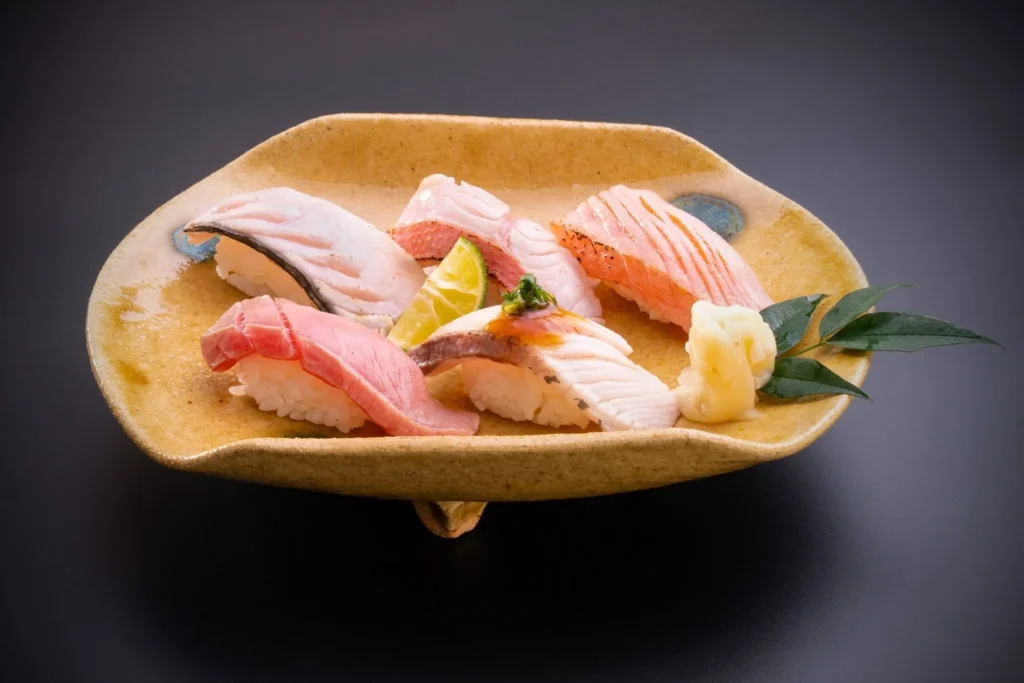
For diners seeking a sushi-focused experience, Ganko’s 15-course Chef’s Tasting Omakase at $138 is a particularly appealing option. The progression includes a starter, soup, fruit, and a generous lineup of 12 pieces of seasonal nigiri. What stands out here is the craftsmanship behind the sushi itself. Watching the chefs work behind the counter — slicing fish, shaping rice, and assembling each piece with fluid precision — is part of the charm. The shari arrives warm and delicately seasoned, allowing the freshness of the seafood to shine. We also appreciate their use of freshly grated Shizuoka wasabi, which adds a fragrant lift that pre-processed paste simply cannot replicate. For those who enjoy lightly seared flavours, Ganko’s skilful use of aburi adds a subtle smokiness that enhances many of the fish selections.
What to note:
Service can occasionally feel uneven during busy periods, and the pacing of the meal may slow down at times. While the experience is enjoyable overall, diners expecting a tightly choreographed omakase flow may notice these small inconsistencies.
4. 旬水 | Shunsui
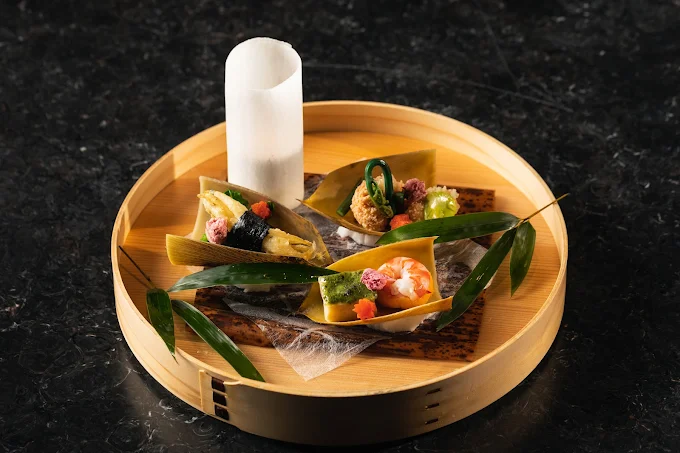
Best for: A Theatrical Kappo Experience
Estimated price: $69++ to $99++ (lunch courses) or up to ~$149++ (more elaborate sets)
Website: https://www.shunsui.sg/
Location: 17 Hongkong St, #01-01, Singapore 059660 / Clarke Quay MRT (NE5), also near Chinatown and Fort Canning stations
Why it made the list:
Shunsui offers something a little different from the typical sushi-led omakase: a kappo-style experience that blends refined Japanese cooking with an element of theatricality. Created by the Shunsui Group following the merger of Kyuu by Shunsui and its Michelin-recognised counterpart, the concept focuses on seasonal ingredients and contemporary techniques while keeping prices accessible.
The 12-seat U-shaped counter ensures every diner has a clear view of the open kitchen, reinforcing the interactive spirit of kappo dining. What sets the experience apart, however, are the overhead cameras that project the chefs’ preparation onto large screens, allowing guests to witness each precise movement from a bird’s-eye perspective. It’s a clever touch that adds a sense of occasion without distracting from the food itself.
Menus begin from $69++ for lunch and $129++ for dinner, making it one of the more approachable chef-led omakase experiences in Singapore. Expect a varied progression of sashimi, sushi, cooked dishes and rice courses, all shaped by the seasons. One particularly memorable moment is the indulgent ikura rice finale, where salmon roe is poured generously over rice until you say stop — a playful yet satisfying highlight that leaves diners smiling.
What to note:
The restaurant can be slightly tricky to locate even when using map directions, so allow a bit of extra time before your reservation. All seating is counter-style with no private dining rooms, which may not suit those looking for a more secluded dining setting.
5. Ikkoten Omakase
Best for: Kyoto-Style Kaiseki Elegance
Estimated price: ~$88++ (lunch) to ~$99++ / $128++ / $139++ (dinner omakase sets) depending on course chosen
Website: https://ikkoten.com.sg/
Location: 86 Telok Ayer St, Singapore 048469 / Telok Ayer MRT (DT18)
Why it made the list:
Ikkoten Omakase is one of those understated counters that quietly delivers a refined take on Kyoto-style kaiseki dining. Helmed by Executive Chef Brandon Low, who trained in respected Japanese restaurants such as Yoshi and Chikuyotei, the restaurant leans heavily into the delicate, seasonal philosophy of Kyoto cuisine. The result is an omakase experience that feels elegant, measured, and rooted in tradition.
The dining room mirrors that ethos with a minimalist 10-seat wooden counter designed to keep the focus squarely on the food. Here, diners can choose between the 13-course Tsuki menu from $99++ or the 15-course Hana menu at $139++, both of which showcase seasonal ingredients that change depending on market availability.
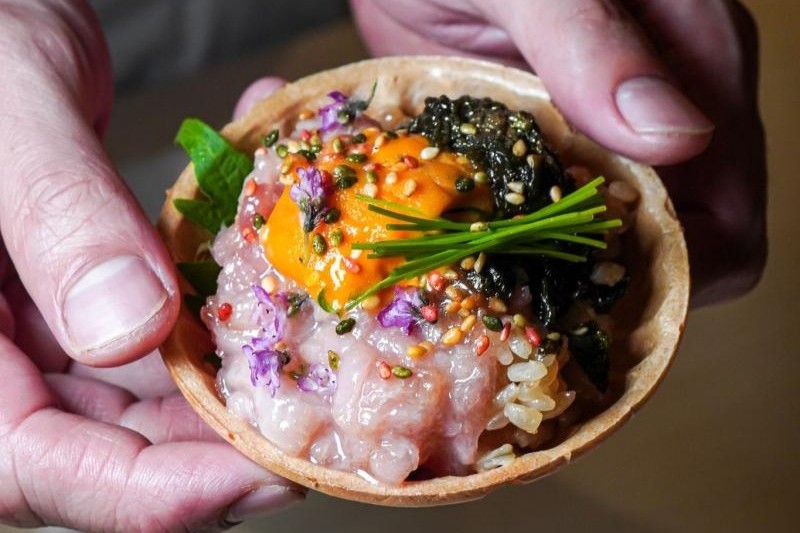
While the experience leans towards classic kaiseki structure, Chef Brandon introduces subtle contemporary touches along the way. One of the most memorable segments is his signature sushi course, which often features selections such as katsuo, chutoro, hirame and a distinctive negitoro uni monaka that combines creamy sea urchin with minced tuna in a delicate crisp shell. The overall effect is quietly sophisticated — an omakase that rewards diners who appreciate balance, restraint, and a sense of culinary storytelling.
What to note:
Reservations can occasionally be a little inconsistent, with booking hiccups reported from time to time. While not a major issue, it’s worth confirming your reservation in advance to avoid any surprises.
6. Jun Omakase
Best for: Affordable CBD Lunch Omakase
Estimated price: Lunch omakase from ~$78++, Premium around ~$128++ (below $150)
Website: https://www.junomakase.com/
Location: 3 Church St, #01-01 Samsung Hub, Singapore 049483 / Raffles Place MRT (EW14 / NS26)
Why it made the list:
Jun Omakase is one of the easiest recommendations we make when someone asks for a straightforward, good-value omakase in the Central Business District. Located in Samsung Hub at Raffles Place, the restaurant offers a contemporary sushi counter experience that doesn’t demand a lavish budget, particularly during lunch.
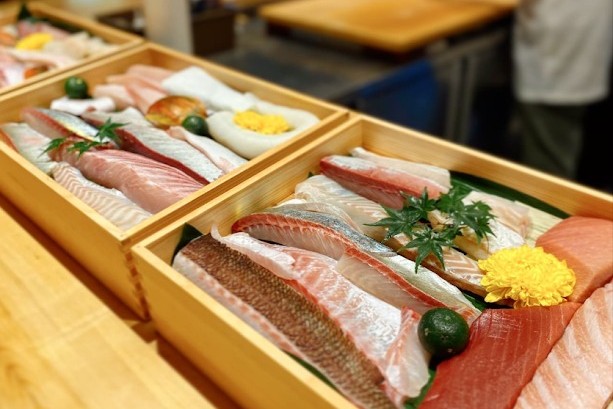
The headline attraction is the $78++ lunch omakase, which delivers a seven-course progression that includes starters, assorted sashimi, mains, and a choice between nigiri or donburi before dessert. It’s a satisfying spread that punches above its price point. Dishes often begin with inventive appetisers such as century egg tofu, which offers a surprisingly rich yet balanced opening to the meal. The sashimi course typically features a generous assortment — think amberjack, swordfish, salmon belly, bonito and tuna belly — sliced thickly enough to showcase their freshness and texture.
Beyond lunch, diners can opt for the $128++ Premium Omakase or explore dinner options like the $88 nigiri-focused menu. Overall, Jun Omakase feels like a dependable option for a relaxed sushi meal when we want something satisfying, convenient, and comfortably under the $150 mark.
What to note:
The menu occasionally strays from conventional Japanese omakase structure, with chefs introducing more experimental elements into certain dishes. Diners seeking a strictly traditional sushi experience may find the approach slightly unconventional.
How We Chose These Middle-Of-The-Road Omakase Spots
The $100–$150 range is an interesting sweet spot in Singapore’s omakase landscape. It sits between entry-level counters that prioritise affordability and high-end establishments that focus on luxury ingredients and prestige. When evaluating restaurants in this middle tier, we focused on what truly differentiates a good value omakase from one that simply lands in the price bracket.
- Ingredient quality relative to price
At this level, we look for restaurants that still prioritise fresh seasonal seafood — ideally sourced from Japanese markets — rather than relying on lower-cost imports to pad out the menu.
- Rice quality and sushi fundamentals
In omakase, the shari (sushi rice) often reveals the chef’s skill. Proper seasoning, temperature, and balance with the fish matter far more than flashy ingredients.
- Menu structure and pacing
Middle-tier omakase often includes a mix of sushi, sashimi, and cooked dishes. We prioritised counters where the progression feels intentional rather than random.
- Chef-led identity
Restaurants that reflect a clear culinary direction — whether Edomae sushi, kappo-style cooking, or Kyoto-style kaiseki — tend to deliver a more memorable experience.
- Value for money within the bracket
Ultimately, we looked for places where diners leave feeling the experience justifies the spend — not simply because it’s cheaper than luxury omakase, but because it’s genuinely satisfying.
In other words, these picks represent restaurants that know how to stretch a dollar without cutting corners where it matters most.
How to Choose the Right Mid-Range Omakase
If you’re spending around $100–$150 on omakase, expectations naturally shift. This price tier often aims to deliver a more polished experience than entry-level sushi counters, while still foregoing the extravagance of high-end establishments. Choosing the right one comes down to understanding how different restaurants approach this middle ground.
- Decide what you want more of: sushi or variety
Some mid-range omakase menus lean heavily into nigiri sushi, while others offer a broader progression of appetisers, grilled dishes, and rice courses.
- Look at how seasonal the menu is
Restaurants that rotate dishes frequently tend to deliver better ingredient quality and more interesting experiences over time.
- Consider the chef interaction level
Smaller counters with 10–12 seats usually provide more engagement with the chef, which many diners consider an essential part of the omakase experience.
- Check whether lunch offers better value
Many restaurants reserve their best-value menus for lunch, allowing diners to experience the same kitchen at a significantly lower price point.
- Think about the atmosphere you prefer
Mid-tier omakase ranges from relaxed neighbourhood counters to polished CBD sushi bars. The setting can shape the overall experience just as much as the food.
Understanding these factors helps ensure that the meal feels aligned with what you’re actually looking for — whether that’s a casual sushi night or a more curated tasting experience.
Is the Mid-Range Omakase Tier the Best Value?
For many diners, the $150 range of omakase experiences represents a practical middle ground. It’s expensive enough for chefs to source respectable seafood and craft a thoughtful progression of dishes, but still accessible enough to enjoy without turning the meal into a once-a-year occasion.
Compared with budget omakase (often under $80), the difference is usually noticeable. Mid-tier restaurants tend to offer better seafood quality, more carefully seasoned sushi rice, and a more balanced sequence of courses rather than a simple parade of nigiri.
However, there is also an argument for going all the way up to luxury omakase ($250 and beyond) if you want the full experience — premium ingredients like otoro and bafun uni in abundance, handcrafted hinoki counters, and master chefs with decades of experience.
In reality, the mid-range tier often strikes the most sensible balance. You may not get the absolute best ingredients in the world, but you’ll still enjoy skilled preparation, seasonal variety, and a chef-driven experience that feels far more refined than budget omakase counters. For many diners in Singapore, that balance makes this bracket one of the most compelling places to explore omakase.
Final Thoughts
The best omakase experience ultimately depends on what you’re hoping to get out of the meal. If you enjoy theatrical dining and chef interaction, a kappo-style counter may suit you best. Prefer something more traditional? A sushi-focused omakase could be the better choice. With several excellent options under $150 in Singapore, the key is to match the restaurant with your expectations at this price point, whether that’s value, creativity, or a relaxed dining atmosphere.
Frequently Asked Questions (FAQ)
1. Does the $150 price limit typically include the mandatory service charge and GST? Most omakase restaurants in Singapore list menu prices exclusive of the 10% service charge and 9% GST. For a meal to truly stay under a $150 budget per person, you should look for menus priced at approximately $125 or less to account for the “plus-plus” additions on the final bill.
2. How much flexibility do these value-driven counters offer for dietary substitutions? While premium sushi dens are often highly accommodating, affordable omakase spots typically operate on tighter margins and fixed ingredient sets. It is essential to communicate allergies at least 48 hours in advance, as some entry-level counters may not be able to swap specific seasonal items without an additional surcharge.
3. Is there a standard expectation for beverage spend or corkage at this price point? To balance the lower food cost, many smaller omakase bars enforce a “one drink minimum” or have strict corkage policies. If you intend to bring your own bottle, expect to pay a fee ranging from $30 to $50, or check if the establishment offers a 1-for-1 corkage waiver when you purchase a bottle from their house list.
4. Why do many of these affordable menus disappear during weekend dinner service? Many restaurants offer their most competitive $150-and-under sets exclusively for lunch or weekday seatings to fill the counter during off-peak hours. On Friday and Saturday nights, these same establishments often pivot to a “Grand” or “Premium” menu that can significantly exceed the $150 threshold.