
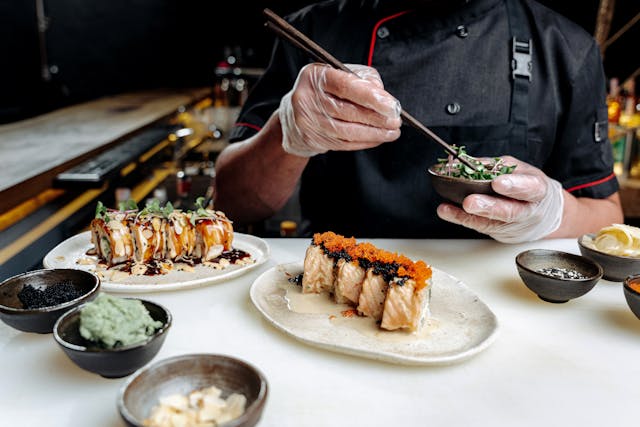
Omakase dining has long carried an air of prestige. Between the craftsmanship involved, the premium ingredients flown in from Japan, and the intimate chef-led format, it is rarely an everyday meal. Instead, many of us reserve these experiences for life’s bigger moments—birthdays, anniversaries, or celebrations where the meal itself becomes part of the memory. After all, when a chef quite literally asks you to “leave it up to them”, you want the occasion to feel just as special as the food.
Singapore’s omakase scene has expanded dramatically in recent years, ranging from Michelin-starred sushi counters to modern kappo concepts and intimate chef-run experiences. In this guide, we highlight a handful of places we believe truly rise to the occasion for special celebrations. We will also share a few useful insights along the way—from how we selected these restaurants to tips on choosing the right omakase experience for your celebration.
Quick Picks: Best Omakase for Special Occasions
If you are unsure where to start, these quick recommendations can help you match the restaurant to the type of celebration you have in mind.
- Best for once-in-a-lifetime celebrations
Restaurants like Shoukouwa deliver the full Michelin-starred experience, combining impeccable ingredients with meticulous craftsmanship. - Best for wagyu lovers
Nikuya Tanaka stands out for its wagyu-focused omakase, offering a rare chance to explore premium Japanese beef in a chef-led tasting format. - Best for scenic dining experiences
Oumi pairs contemporary Japanese cooking with one of the most impressive views in Singapore, making it ideal for romantic occasions. - Best for intimate sushi purists
Hamamoto and Sushi Masa by Ki-setsu cater to diners who appreciate traditional Edomae techniques and quiet, focused dining rooms. - Best for relaxed yet refined celebrations
Shunsui strikes a balance between quality and approachability, offering a lively kappo-style experience at a relatively accessible price.
1. Shoukouwa
Best for: Once-in-a-Lifetime Celebrations
Estimated price: From approximately $380++ to $680++ (varied lunch and dinner omakase menus)
Website: https://www.shoukouwa.com.sg/
Location: 1 Fullerton Rd, #02-02A One Fullerton, Singapore 049213 / Raffles Place MRT
Why it made the list:
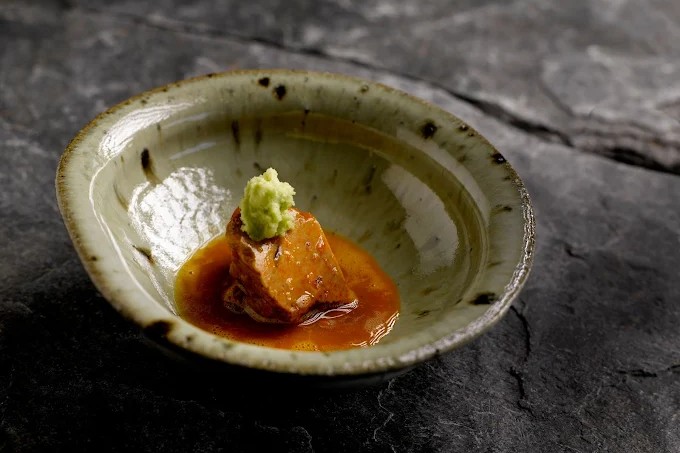
When the occasion calls for something truly extraordinary, we often find ourselves returning to Shoukouwa. Tucked within One Fullerton, this two-Michelin-starred sushi restaurant represents the pinnacle of Edomae sushi in Singapore, and every element of the experience reflects that ambition. Seafood is flown in directly from Tokyo’s Toyosu Market, allowing the chefs to showcase seasonal Japanese ingredients at their peak.
The setting is as carefully curated as the food. Diners sit at one of the restaurant’s rare hinoki cypress counters—crafted from centuries-old wood by a master craftsman who also builds for Japan’s imperial family—while the chefs prepare each piece of sushi with meticulous precision. The result is a quietly theatrical meal where technique, timing, and ingredient quality take centre stage.
The omakase menus themselves feel appropriately ceremonial. The refined Miyabi lunch offers a graceful introduction, while the more elaborate Hana lunch and En dinner menus explore a broader range of seasonal flavours. Paired with a drinks programme curated by Singapore’s first Master of Wine, Tan Ying Hsien, the experience becomes less of a meal and more of a culinary performance—one we would happily reserve for milestone birthdays or anniversaries.
What to note:
The experience comes at a serious premium, even by Singapore’s omakase standards. With only a handful of seats at the counter and a private room for six, reservations can also be difficult to secure, especially for weekend dinners.
2. Nikuya Tanaka
Best for: Wagyu-Focused Flavours
Estimated price: From $350++ to $550++
Website: https://www.instagram.com/nikuyatanakasg/
Location: 1 Teck Lim Rd, level 2, Singapore 088379 / Outram Park MRT (near Tanjong Pagar area)
Why it made the list:
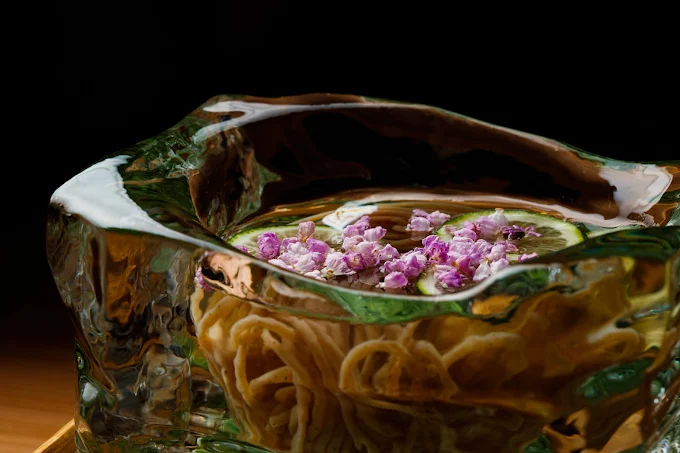
For celebrations where steak takes precedence over sushi, we would happily point diners towards Nikuya Tanaka. This Tokyo import from Ginza arrives with serious pedigree: it has been crowned Japan’s No.1 steak restaurant and ranks among the World’s 101 Best Steak Restaurants. At the centre of it all is Chef Satoru Tanaka, a third-generation meat master whose family has spent over 80 years refining their expertise with Japanese wagyu.
The Singapore outpost retains the intimate kappo-style format of the original, with just ten seats at the counter where diners watch each course prepared in front of them. The menus revolve around exceptional wagyu sourced from Kobe and Matsusaka, particularly virgin female cattle raised for 36 months—a detail Chef Tanaka believes produces meat with superior sweetness and texture.
Preparation is intentionally restrained. Techniques like binchotan charcoal grilling and sashimi-style slicing allow the beef’s natural flavours to take centre stage. Dishes such as the lightly seared Kobe beef tataki or delicate wagyu shabu shabu highlight just how nuanced premium wagyu can be when handled with care. For diners who already appreciate A5 wagyu and want to explore it at a deeper level, the experience feels both indulgent and educational.
What to note:
The difference between these ultra-premium cuts and standard A5 wagyu can be subtle unless you regularly eat wagyu. Given prices starting from $350++ for lunch and rising to $550++ for dinner, this is best reserved for diners who truly appreciate high-end beef.
3. 旬水 | Shunsui
Best for: Accessible and Theatrical Omakase for Celebrations
Estimated price: $69++ to $99++ (lunch courses) or up to ~$149++ (more elaborate sets)
Website: https://www.shunsui.sg/
Location: 17 Hongkong St, #01-01, Singapore 059660 / Clarke Quay MRT (NE5), also near Chinatown and Fort Canning stations
Why it made the list:
For those planning a celebratory meal without venturing into eye-watering price territory, we find Shunsui strikes a particularly compelling balance. This kappo-style restaurant—formed from the merger of Kyuu by Shunsui and a long-running Michelin Plate concept—combines authentic Japanese techniques with a more contemporary, approachable dining format.
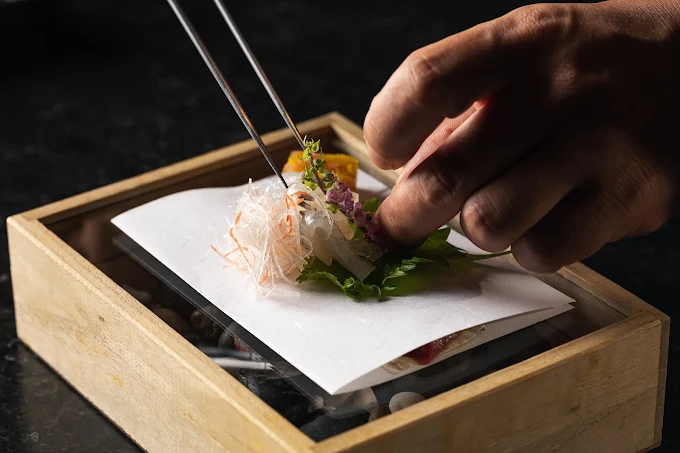
The restaurant revolves around a 12-seat U-shaped counter, where diners face the open kitchen while two large screens display a bird’s-eye view of the chefs at work. It may sound theatrical, but the spectacle never overshadows the cooking. Instead, it enhances the experience, making every step of the preparation visible—from delicate sushi assembly to the finishing touches on cooked dishes.
The menus remain refreshingly accessible for omakase standards. Lunch begins with the Botan menu at $69++, while dinner starts from $129++ for the Kacho menu, offering a well-rounded progression of sashimi, sushi, cooked dishes, rice courses, and dessert. Highlights include the indulgent ikura rice course, where salmon roe is poured generously over rice until diners say stop.
Just as memorable is the sake programme, overseen by an excellent sake sommelier who has curated pairings that complement the food without overpowering it. For diners seeking a celebratory omakase that feels lively rather than overly formal, Shunsui delivers a memorable evening without the intimidating price tag.
What to note:
Despite its popularity, Shunsui can be surprisingly tricky to locate even when following map directions. The restaurant also operates exclusively with counter seating, so those hoping for a private dining room or table seating may need to look elsewhere.
4. OUMI
Best for: Omakase With a View
Estimated price: Omakase or tasting menus typically around $180++ to $228++ for a curated multi‑course experience.
Website: https://www.oumi.sg/
Location: 88 Market Street, #51‑01, CapitaSpring — Raffles Place / Downtown MRT area.
Why it made the list:
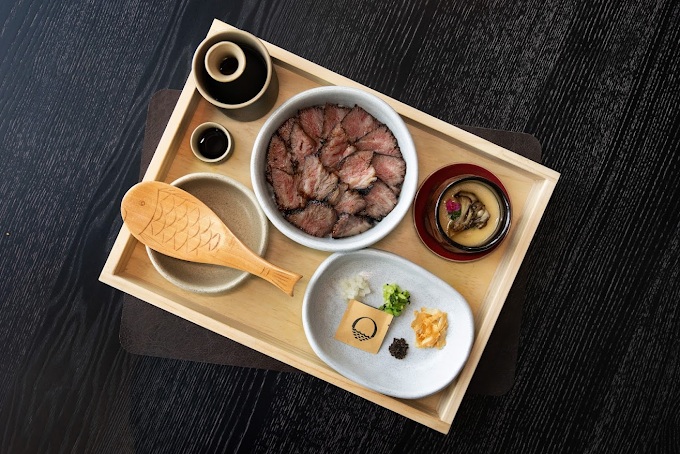
When the setting matters just as much as the meal, we often recommend Oumi. Perched on the 51st floor of CapitaSpring, it is arguably Singapore’s highest omakase restaurant, pairing contemporary Japanese cooking with sweeping views of Marina Bay. The altitude alone makes it an easy choice for birthdays and anniversaries—few dining rooms in the city provide quite the same sense of occasion.
The concept here leans into kappo-style dining while embracing a modern, sustainability-minded approach. Ingredients are sourced not only from Japan and Australia but also from the neighbouring 1-Arden Food Forest, the world’s highest urban farm. This connection to nature appears throughout the meal, particularly in dishes like the Hassun course, where small seasonal bites are arranged with edible flowers to resemble a miniature garden.
Unlike more traditional sushi-focused omakase counters, Oumi’s menus move across several cooking styles—sashimi, sushi, teppanyaki, robatayaki, and tempura—allowing diners to experience a broader spectrum of Japanese techniques in a single meal. We also appreciate the flexibility of the seating: counter seats for chef interaction or window tables for uninterrupted views of the skyline.
What to note:
The cuisine here leans towards contemporary Japanese rather than strict tradition, which may surprise diners expecting a classic sushi omakase. Reservations can also be slightly unreliable via the online platform, so we recommend calling the restaurant to reconfirm your booking.
5. Hamamoto
Best for: Purist Edomae Sushi
Estimated price: Lunch omakase from $280++; dinner menus from $425++ to $550++ depending on experience chosen.
Website: https://hamamoto.com.sg/
Location: 58 Tras St, Singapore 078997 / Nearest MRT: Tanjong Pagar MRT (EW15) (~7 min walk)
Why it made the list:
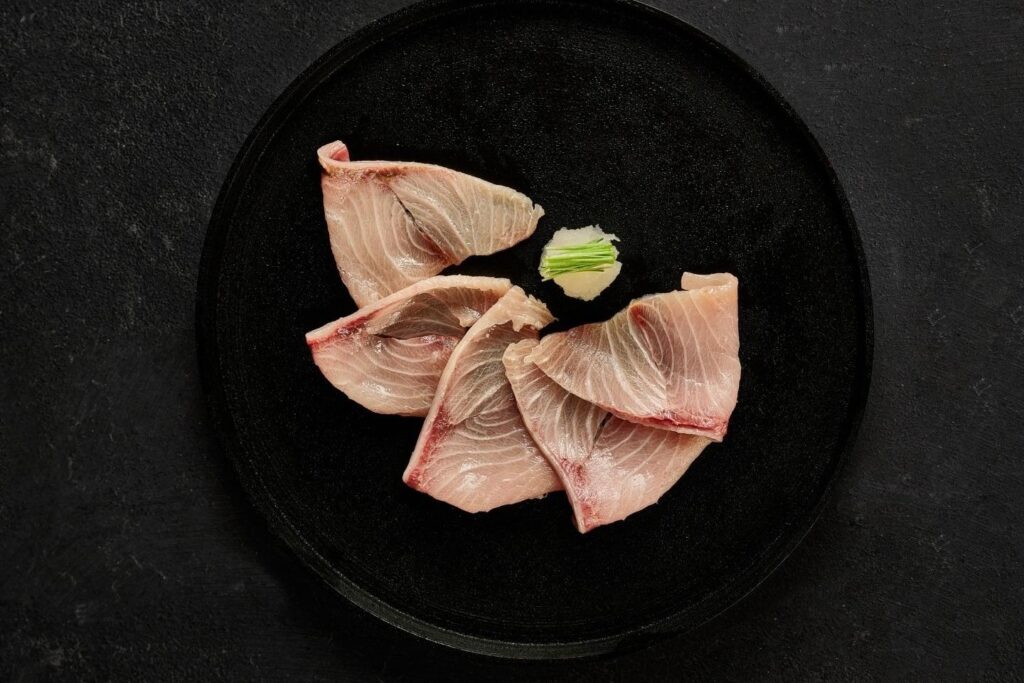
For diners who value craftsmanship above spectacle, Hamamoto remains one of the most compelling omakase experiences in Singapore. Opened in 2021 by Kyoto-born Chef Kazuhiro Hamamoto, the intimate 12-seat sushi-kappo restaurant along Tras Street distils decades of culinary experience into a quietly refined dining ritual.
The space itself reflects that philosophy. The dining room is intentionally austere, anchored by Singapore’s only curved hinoki sushi counter. Lighting is carefully positioned above each seat so every dish appears almost spotlighted when served, subtly reinforcing the idea that the food—and nothing else—should command attention.
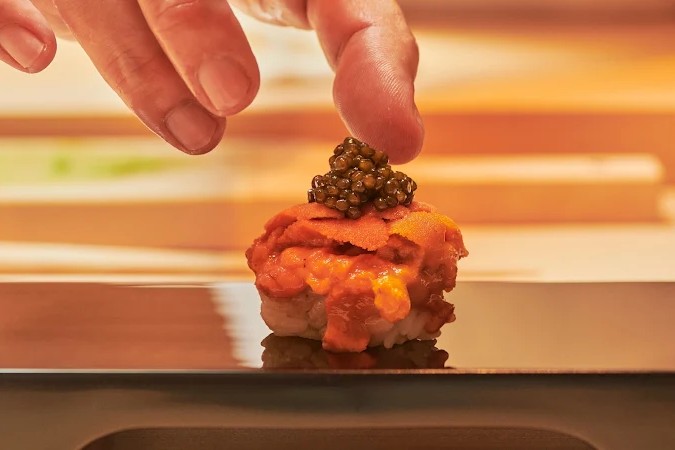
Chef Hamamoto’s approach is deeply rooted in seasonality. Having cultivated close relationships with producers across Japan, he sources ingredients at their peak and structures his menus around their natural cycles. The result is a progression of dishes that feels balanced, elegant, and occasionally surprising. Standout moments often include his celebrated uni preparations, where bafun and murasaki varieties are layered with elements such as sweet ebi and caviar to create a dish that feels both indulgent and meticulously balanced.
Equally memorable is the chef himself. Hamamoto-san’s warmth and understated humour help transform what could otherwise be a formal dining experience into something far more personal.
What to note:
Reservations are notoriously difficult to secure and may require booking months in advance. At the higher-end dinner tiers—particularly the $550 Hamamoto Experience—some diners may also question whether the price fully matches the scale of the meal.
6. Sushi Masa by Ki-setsu
Best for: Intimate, Traditional Omakase
Estimated price: From about $230++ to $680+++ per omakase course (seasonal menus ranging from introductory to premium Hiseki)
Website: https://kisetsu.com.sg/
Location: 5 Koek Rd, #06-03, Singapore 228796 / Somerset MRT (Midtown Singapore area)
Why it made the list:
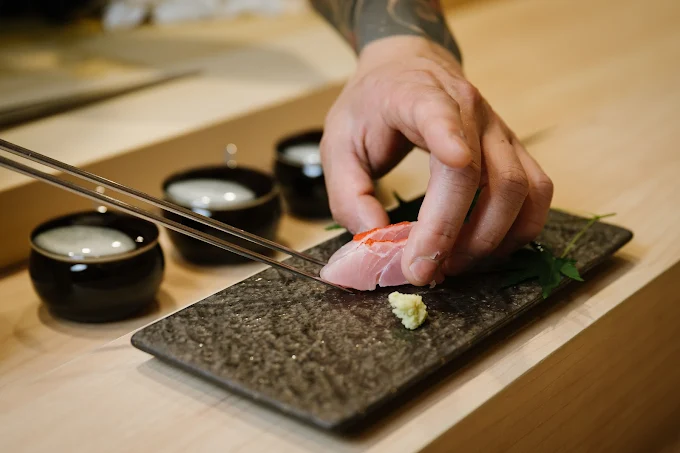
At a time when many omakase restaurants are expanding into larger dining rooms and elaborate concepts, Sushi Masa by Ki-setsu takes the opposite approach. Hidden away within Cuppage Plaza, the restaurant remains intentionally small with just eight counter seats—a deliberate decision that reinforces the idea that omakase should remain deeply personal.
The result is an experience that feels refreshingly stripped back. There are no theatrics or social-media-friendly distractions here—just a quiet dining room where Chef Masa focuses entirely on the craft of sushi. Having spent more than 16 years honing his skills across Tokyo and the United States, he brings a refined yet thoughtful approach to the omakase format.
The menu changes with the seasons and unfolds through a generous sequence of appetisers and sushi courses built around ingredients flown in daily from Japan. Guests can choose between several seasonal tasting menus, including the 16+ course Fuyuzakura and the more elaborate Yukiwari Ichige, each carefully paced to highlight different ingredients and techniques. Even the absence of lunch service reflects Chef Masa’s philosophy: mornings are reserved entirely for preparation, ensuring that dinner is served at its peak.
What to note:
The minimalist setting may feel almost too understated for diners expecting a celebratory atmosphere. With just eight seats and a single dinner sitting, reservations also require planning well in advance.
7. Sushi Masaaki
Best for: Chef Interaction and Personal Touch
Estimated price: From $220++ to $380++
Website: https://sushimasaaki.com/
Location: 26 Beach Rd, B1-17 South Beach Avenue, Singapore 189768 / Clarke Quay MRT
Why it made the list:
Among Singapore’s many high-end sushi counters, Sushi Masaaki stands out for the personality behind the counter. Chef-owner Masaaki Sakashita brings decades of experience and a distinctly personal philosophy to every service, combining traditional Japanese techniques with his own thoughtful refinements.
The restaurant itself reflects this duality. While the broader dining space features bold contemporary touches, including decorative motifs inspired by cranes and Japanese landscapes, the main sushi counter returns to simplicity. Diners gather around a 250-year-old hinoki wood counter whose subtle citrus aroma quietly sets the stage for the meal ahead.
Chef Masaaki’s cooking is defined by meticulous attention to detail. Ingredients are sourced from across Japan and handled with remarkable precision, from slicing to plating. Even the sushi rice reflects his individual approach: the grains are intentionally cooked to be lightly al dente on the outside yet soft within, creating a texture that contrasts beautifully with the fish.
Beyond the food, what we appreciate most is the chef’s natural rapport with diners. Unlike some traditional sushi masters who remain reserved, Masaaki-san happily explains the origins of each ingredient and often adds a touch of humour, making the entire experience feel relaxed rather than intimidating.
What to note:
While the food and hospitality are excellent, the pacing between courses can occasionally feel uneven, which slightly disrupts the otherwise smooth rhythm of the omakase experience.
How We Chose These Top-Of-The-Line Omakase Restaurants
When it comes to high-end omakase, we believe a memorable experience goes far beyond simply serving high-quality sushi. The restaurants on this list stood out to us because they combine culinary craftsmanship with the intangible elements that make a special occasion feel truly special.
In particular, we paid attention to factors such as:
- Ingredient quality and sourcing: The best omakase restaurants source seafood and produce at their seasonal peak, often flown directly from Japan.
- Chef craftsmanship: Omakase dining is fundamentally about trust in the chef. Technical precision, thoughtful menu progression, and ingredient handling all matter.
- Atmosphere and ambience: Whether it is a serene hinoki sushi counter or a rooftop dining room overlooking Marina Bay, the setting plays a significant role in making celebrations memorable.
- Service and hospitality: From attentive staff to personable chefs who explain each course, a restaurant’s hospitality makes or breaks the entire experience.
- Overall sense of occasion: Ultimately, we chose restaurants where the meal feels worthy of marking a milestone, rather than simply being another dinner reservation.
How to Choose the Right Omakase for Your Celebration
Not all omakase restaurants deliver the same style of experience. Some emphasise strict Edomae sushi traditions, while others lean towards contemporary Japanese cooking with multiple techniques and courses.
Before making a reservation, it helps to consider a few practical factors:
- Budget range: Omakase in Singapore can range from around $100 to well over $500 per person. Setting expectations early helps narrow down your options.
- Dining style: Some restaurants focus exclusively on sushi, while others incorporate tempura, grilled dishes, or wagyu courses.
- Atmosphere: Intimate eight-seat counters feel very different from restaurants with skyline views or theatrical open kitchens.
- Interaction with the chef: If you enjoy conversation and storytelling during a meal, choose restaurants known for their personable chefs.
- Availability and reservations: Many sought-after omakase counters require booking weeks or even months ahead.
Understanding these differences ensures that the restaurant you choose aligns with the mood of the occasion you are celebrating.
What Makes Omakase Dining So Special?
Part of omakase’s appeal lies in the trust between diner and chef. Instead of ordering individual dishes, guests allow the chef to design a meal that reflects the day’s best ingredients, seasonal inspirations, and their own culinary philosophy.
This format naturally creates a more immersive dining experience. Each course arrives with a story—where the fish was sourced, how it was aged or prepared, and why it appears at that precise moment in the menu. Over the course of the meal, diners are guided through a carefully paced progression of flavours, textures, and temperatures.
It is this sense of theatre, craftsmanship, and personal interaction that makes omakase particularly well suited for celebrations.
Is Expensive Omakase Actually Worth It?
The price of omakase can sometimes raise eyebrows, especially when premium counters charge several hundred dollars per person. However, the cost often reflects several factors that go beyond the food alone.
Many restaurants import seafood daily from Japan’s Toyosu Market or work directly with specialised suppliers. Skilled sushi chefs also spend years mastering techniques such as fish ageing, rice preparation, and knife work. Add to that the small seating capacity of most counters—often fewer than 12 guests—and the economics of the experience become clearer.
That said, higher prices do not automatically guarantee a better experience. Some diners may find excellent value at more approachable kappo-style restaurants, while others prefer the meticulous rituals of Michelin-level sushi counters. Ultimately, the best omakase is the one that matches both your expectations and the occasion you are celebrating.
Final Thoughts
Choosing the best omakase in Singapore ultimately comes down to what kind of experience you are hoping to create. Some restaurants excel at intimate, chef-driven sushi experiences, while others focus on dramatic settings, wagyu-led menus, or contemporary Japanese cooking. Instead of chasing a single “best” restaurant, think about the atmosphere, cuisine, and budget that suit your celebration. When everything aligns, the right omakase meal can easily become one of the most memorable parts of your special occasion.
Frequently Asked Questions (FAQ)
1. When should I secure a reservation for a weekend dinner? For top-tier counters in Singapore, booking four to eight weeks in advance is standard for Friday or Saturday seatings. Many of these establishments release their reservation slots on the first day of the month, so it is advisable to check their booking platforms at midnight if you have a non-negotiable anniversary date.
2. Are these menus adaptable for diners who require cooked items or have specific allergies? Most high-end sushi-yas can accommodate cooked-only menus or common allergies if notified at least 48 hours in advance. However, because the experience relies on seasonal sourcing, some purist chefs may have limitations on extensive substitutions; it is best to clarify these requirements during the credit card guarantee process.
3. What is the typical etiquette regarding corkage for a vintage bottle? While many premium restaurants allow you to bring your own sake or wine, corkage fees in Singapore typically range from $50 to $150 per bottle. Some establishments offer a “one-for-one” waiver, where the fee is removed if you also purchase a bottle from their house list, but it is always courteous to confirm their specific glassware availability beforehand.
4. Is it appropriate to take photos or videos throughout the meal? While most modern chefs in Singapore welcome photography, it is polite to disable your flash and avoid capturing other diners in the background to maintain the intimate atmosphere. If you intend to film extensively, a quick check with the host upon arrival ensures you aren’t infringing on the restaurant’s specific privacy policies or disrupting the chef’s pacing.