
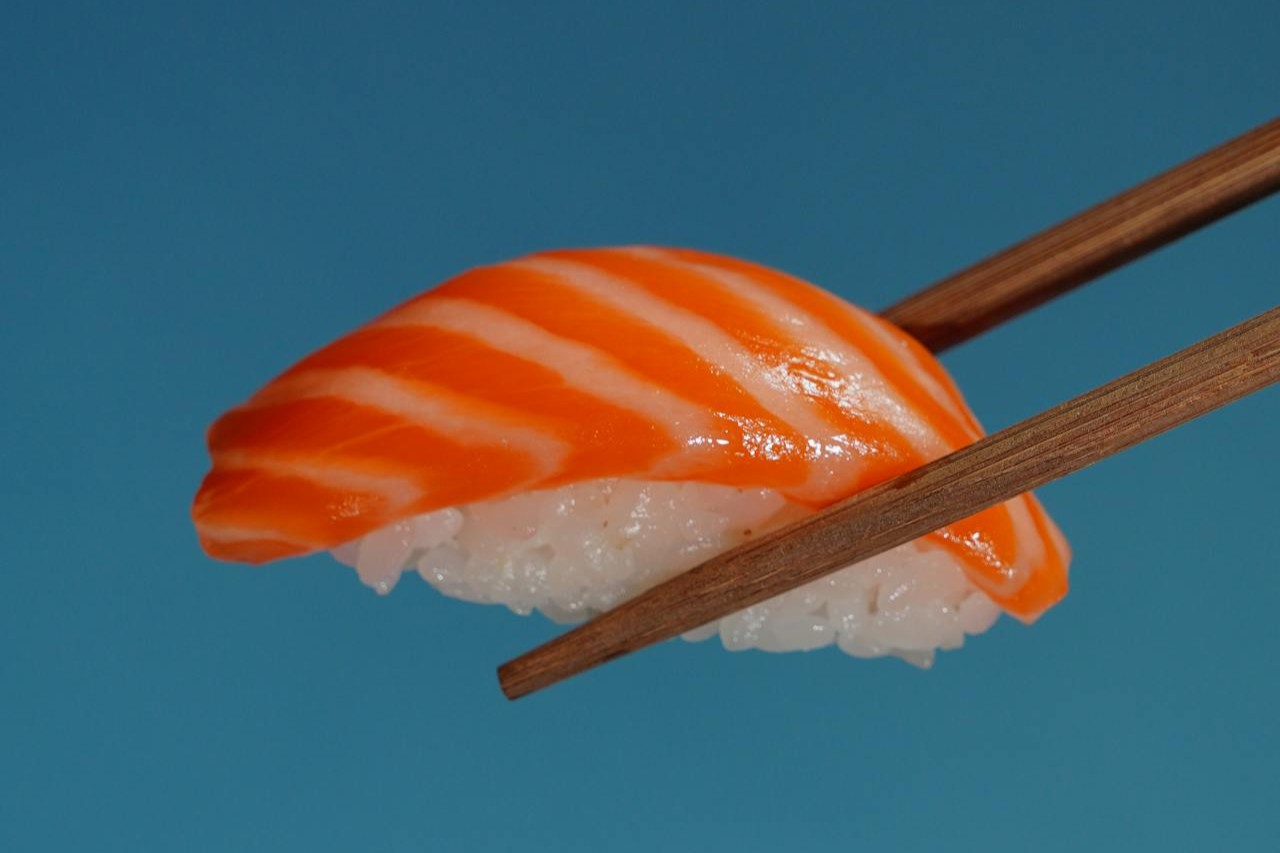
Raffles Place may be Singapore’s financial heart, but it also houses some of the city’s most intriguing omakase experiences. From quick, no-frills lunch sets to elaborate multi-course dinners perfect for after-work indulgence, these restaurants cater to a variety of needs without compromising on quality. Whether you’re entertaining clients, celebrating a milestone, or simply treating yourself after a long day at the office, the area offers a surprising breadth of flavours, concepts, and atmospheres to explore.
What sets the following omakase choices apart is their focus on thoughtful sourcing, seasonality, and skilled craftsmanship, whether in traditional Japanese technique, innovative reinterpretations, or value-driven standing sushi formats. Each selection offers a unique story, ambience, and culinary journey, helping diners navigate the CBD dining scene with confidence. For those keen on practical tips, menu guidance, and insider advice, you’ll find extra helpful notes towards the end of the article.
Note: Prices, menus, and promotions may change over time. It’s always best to
check the restaurant’s latest menu before booking.
Last updated: March 2026
Quick Picks
To make your decision easier, here’s a brief guide based on standout dining categories:
- Best for Celebratory Experiences: Multi-course menus, unique concepts, and luxurious touches to mark special occasions.
- Best for CBD Lunches: Efficient, well-priced options that deliver high-quality flavours without compromising speed.
- Best for Casual, Relaxed Dining: Friendly, approachable vibes with a focus on ingredient quality over formality.
- Best for Impressing Clients or Dates: Scenic views, attentive service, and polished presentations that leave an impression.
- Best for Value-Oriented Explorers: Affordable options where quality and variety exceed expectations.
1. Ammakase
Best for: A Celebratory, Cross-Cultural Experience
Estimated price: From about $79++ (lunch) to $199++ (10‑course degustation) — with variations in course length up to more premium menus at higher prices.
Website: https://www.ammakase.com/
Location: One Raffles Pl, #04-48, Singapore 048616 / City Hall MRT vicinity — inside the mall.
Why it made the list:
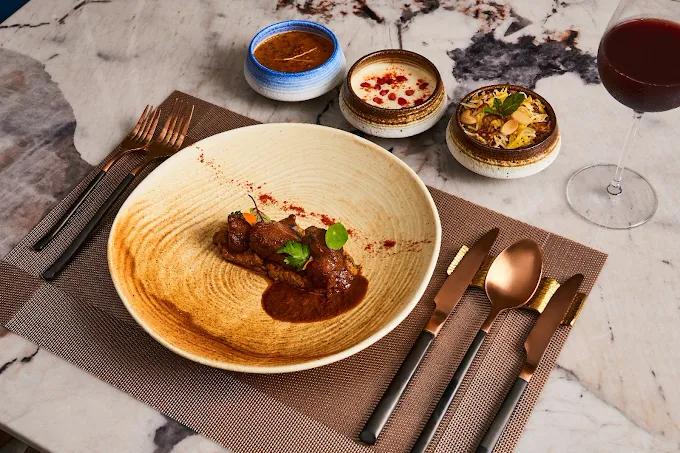
If we had to pick one omakase in Raffles Place that truly disrupts expectations, it would be Ammakase. Billed as the world’s first Indian omakase, it’s less about raw fish and more about reimagining memory. The concept, a portmanteau of “amma” or Mother in several Indian dialects and “omakase”, sets the tone. Here, Chef Abhijit Saha and his team draw from over 100 traditional recipes across India and Sri Lanka, reframing them into multi-course tasting menus that feel refined yet emotionally grounded.
We appreciate how the experience opens gently — a welcome drink, a thoughtful amuse bouche — before moving into dishes like mango chutney-stuffed paniyaram or a delicately constructed “chaatlet”. It’s inventive without being alienating. The flavours remain recognisable, almost nostalgic, even when the plating is unapologetically contemporary. The farm-to-fork philosophy and inclusive menus (with pork- and beef-free options) add to its appeal for diverse dining groups. For something genuinely different in a sea of Japanese omakase counters, this is a compelling detour.
What to note:
This is not a purist’s omakase. If you’re expecting traditional Japanese technique, you may struggle with the price-to-innovation ratio. On busier nights, service can lose some of its earlier finesse. It’s best reserved for those open to reinterpretation rather than strict authenticity.
2. Ikkoten Omakase
Best for: A Refined, Traditional Counter Experience
Estimated price: Around $88++ to $128++ for lunch sets, with dinner omakase options typically around $99++ to $140++ (and higher depending on courses).
Website: https://ikkoten.com.sg/
Location: 86 Telok Ayer St, Singapore 048469 / Telok Ayer MRT.
Why it made the list:
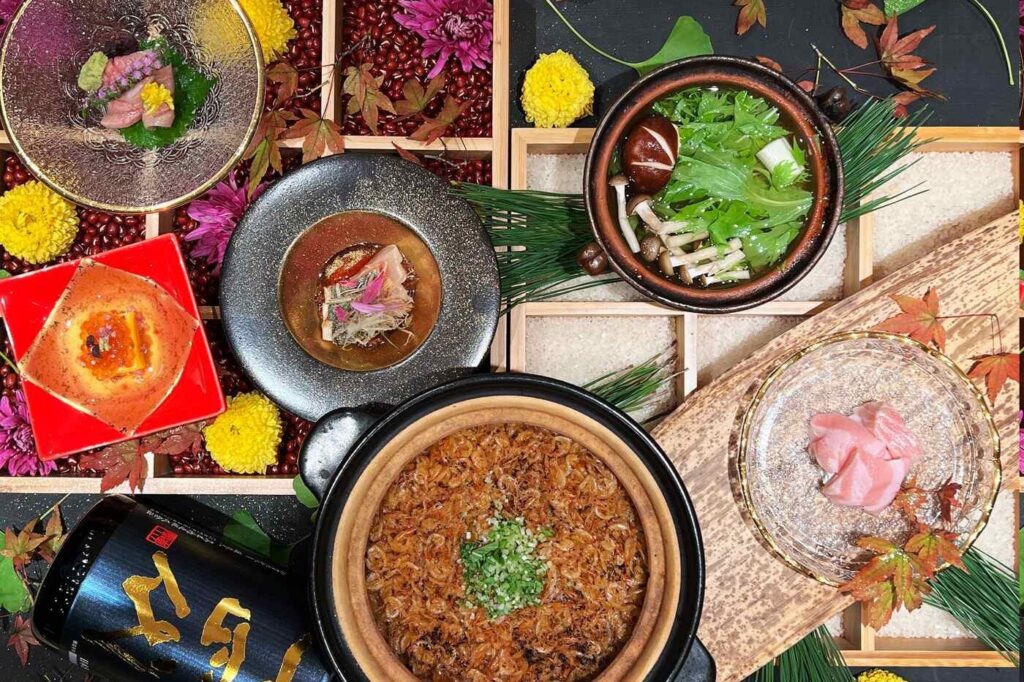
When we want clarity, restraint and a sense of ritual, we gravitate towards Ikkoten Omakase. With just a 10-seater counter and a Kyoto kaiseki framework, the experience here feels quietly assured. Executive Chef Brandon Low focuses on structure — appetisers, otsukuri, yakimono, sushi — and lets seasonality drive variation.
The Tsuki (13-course) and Hana (15-course) menus are priced competitively for the CBD, yet the execution rarely feels compromised. We’ve found the Chilean seabass with nori butter particularly memorable, as well as the signature negitoro uni monaka — a playful but balanced flourish within an otherwise classical progression. The pacing is deliberate, the flavours clean, and the yuzu clear dashi broth towards the end is the sort of thoughtful palate reset we look for in serious omakase.
For first-timers seeking an accessible but authentic kaiseki-leaning experience, Ikkoten strikes an elegant balance between tradition and contemporary polish.
What to note:
While the food and service are consistently strong, their reservation system has been known to run into issues occasionally. We would recommend double-checking bookings directly. The space is intimate, so spontaneity is rarely an option.
3. Cho
Best for: Casual, Ingredient-Forward Dining Without the Formalities
Estimated price: Lunch omakase around $78++, with dinner omakase menus from about $128++ and upwards depending on selection.
Website: https://cho.restaurant/
Location: 63 Chulia Street #01-03 Along, Phillip St, Singapore 049514 / Telok Ayer MRT.
Why it made the list:
Cho is where we go when we want quality without ceremony. It leans less into hushed reverence and more into warmth, as the place feels closer to a convivial izakaya spirit than a white-glove omakase temple. Chef Chong’s European-Japanese influences show in subtle ways, but the focus remains firmly on produce.
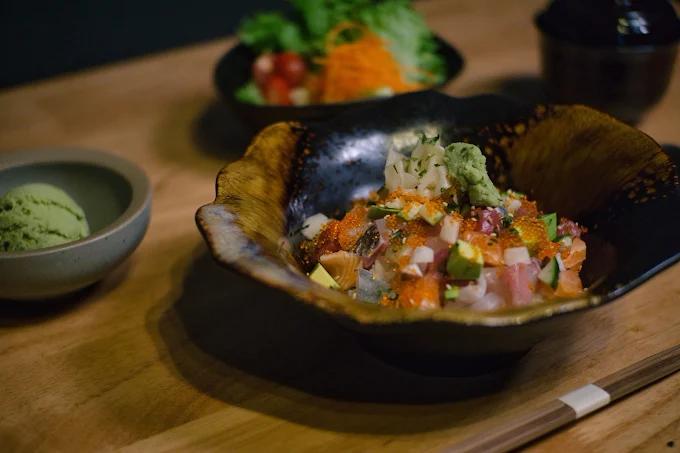
The sashimi consistently tastes as though it has just arrived — thick, clean cuts with impressive freshness. Sushi rice is well judged, neither too tight nor too loose, and marinades are applied with restraint. The lunch sets starting from $78 are particularly appealing for the CBD crowd; they offer enough range to feel satisfying without stretching into extravagance.
We value Cho for its consistency. It doesn’t chase theatrics or exclusivity. Instead, it delivers dependable craftsmanship in a setting that encourages conversation rather than silence.
What to note:
Those expecting a hushed, luxurious omakase ambience may find the atmosphere too lively. Noise levels can rise, and the experience feels intentionally relaxed rather than ceremonious.
4. OUMI
Best for: Impressing Clients or Date Nights with a View
Estimated price: Omakase or tasting menus typically around $180++ to $228++ for a curated multi‑course experience.
Website: https://www.oumi.sg/
Location: 88 Market Street, #51‑01, CapitaSpring — Raffles Place / Downtown MRT area.
Why it made the list:
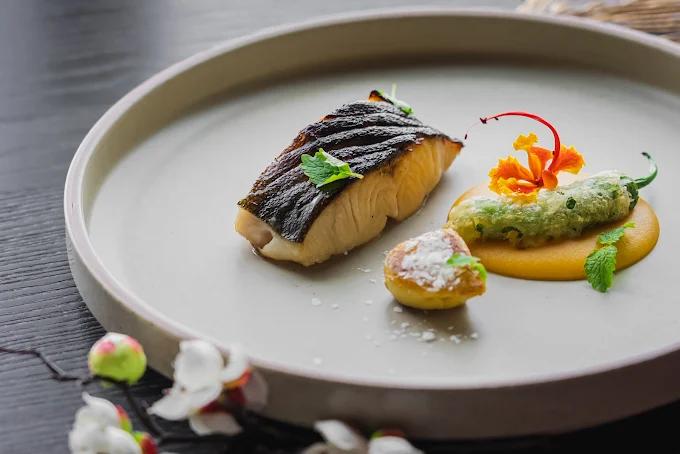
Perched on the 51st floor of CapitaSpring, OUMI understands theatre — and we don’t mean that dismissively. The panoramic Marina Bay views undeniably shape the experience, but the kitchen does more than simply rely on altitude. With kappo dining principles at its core, OUMI integrates produce from Japan, Australia, and even the adjacent 1-Arden Food Forest, creating a narrative around sustainability and locality.
The hassun platter, often accented with edible flowers from the neighbouring urban farm, exemplifies this blend of aesthetics and sourcing. We appreciate the flexibility across cooking styles — sashimi, teppanyaki, robatayaki — within a single omakase arc. The 7- and 9-course menus offer a more complete journey, and we would recommend those over the shorter tasting option if you’re committing to the experience.
For business entertaining or occasions that demand impact, OUMI delivers atmosphere in spades — and backs it up with competent execution.
What to note:
Reservations can occasionally encounter technical hiccups despite confirmation emails. We strongly advise calling to reconfirm. Also, purists seeking strictly traditional Japanese flavours should note that OUMI adopts a contemporary interpretation.
5. Sushi to Sumi
Best for: Value-Driven CBD Lunches
Estimated price: From about $30++ (lunch standing omakase) up to ~$120++ (larger set) depending on menu choice.
Website: https://www.sushitosumi.com/
Location: 20 Cecil Street #02‑01 — close to Raffles Place / Downtown MRT.
Why it made the list:
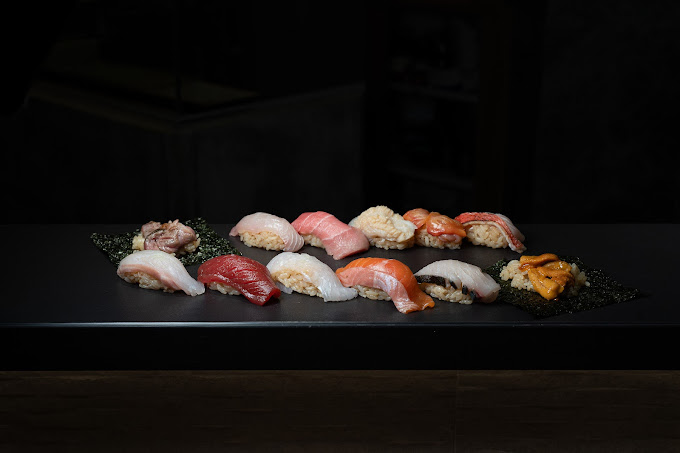
Not every omakase in Raffles Place needs to be a drawn-out affair. Sushi to Sumi — Singapore’s first standing omakase directly managed by a fishmonger — offers something refreshingly pragmatic. The no-seats policy may raise eyebrows, but for the desk-bound CBD crowd, standing for a 30–45 minute sushi set can feel oddly liberating.
The real draw is pricing. A 10-course lunch set from $38 is nearly unheard of in this district. Yet the quality holds up remarkably well: engawa rich with fat, chutoro properly balanced, hamachi clean and bright. The miso soup, though modest in portion, carries deep seafood notes that belie the price point.
We don’t come here for ceremony; we come for efficiency and value. And in that respect, Sushi to Sumi succeeds.
What to note:
Expect minor imperfections — rice occasionally loosening, pacing that can feel rushed. This is a high-turnover model. If you prefer a leisurely, meditative omakase, this may not be your scene.
How We Chose These Omakase Picks
In curating this list, we looked at a combination of factors that matter most to diners in Raffles Place:
- Quality of ingredients: Freshness, sourcing transparency, and seasonality are key indicators of a top-tier omakase.
- Skill and creativity of the chef: Technique, consistency, and thoughtful presentation distinguish memorable experiences.
- Ambience and setting: The vibe — whether intimate, bustling, or scenic — affects how the meal is perceived and enjoyed.
- Value for money: Even in the CBD, diners appreciate well-priced options that deliver a satisfying experience without compromise.
- Service and hospitality: Knowledgeable staff and well-paced courses can make or break the journey.
We prioritised restaurants that balance these elements, offering something distinct for different dining intents, whether casual weekday lunches, client meetings, or special occasions.
How to Choose the Right Omakase
Choosing an omakase can feel daunting, but a few key considerations help narrow the options:
- Dining goals: Are you seeking efficiency for lunch, an immersive multi-course experience, or a luxurious evening out?
- Cuisine style: Traditional Japanese, fusion, or innovative reinterpretations (like Indian-inspired omakase) shape your expectations.
- Budget: Consider whether the price aligns with the number of courses and ingredients offered.
- Seating and interaction: Do you prefer chef counter interaction, private dining, or even standing sushi for a quicker experience?
- Ambience: The mood of the restaurant — lively, intimate, scenic — can complement or detract from your overall enjoyment.
Understanding these factors ensures that your choice matches both your appetite and the occasion.
Understanding Omakase Concepts
Labelling omakase as just a meal is doing it a disservice since it’s a curated experience at the very core. It inherently relies on seasonality, chef expertise, and pacing to build a journey from amuse-bouche to dessert. Knowing the structure of omakase — appetizers, sashimi, cooked courses, sushi, and palate cleansers — helps you appreciate the intention behind each dish. Many restaurants add a personal twist, whether through thematic menus, local ingredients, or fusion interpretations, which enhances both flavour and narrative.
Courses are often presented sequentially to build flavour layers and highlight contrasts. By paying attention to pacing, ingredient sourcing, and the chef’s signature techniques, you can discern which omakase aligns with your preferences and desired experience.
- Booking: CBD restaurants can fill quickly, especially for dinner. Confirm reservations by phone if possible.
- Menu flexibility: Seasonal variations mean each visit can offer new surprises. Don’t be afraid to ask for substitutions or dietary accommodations.
- Course pacing: Arrive with enough time to savour each dish, particularly if it’s a multi-hour degustation.
- Seating preference: Counter seats usually provide more chef interaction; window or private tables may offer a more relaxed atmosphere.
- Budget planning: Understand what’s included in each menu, especially for multi-course experiences, to avoid surprises.
Final Thoughts
When it comes to omakase dining experiences in Raffles Place omakase, the “best” choice ultimately depends on what you’re looking for. You might prioritise efficiency for a lunch break, intimacy for a date night, or showmanship to impress clients. By considering ambience, style, budget, and interaction with the chef, you can select an experience that aligns perfectly with your intent. With these insights, you can make intentional choices that ensure your omakase experience is memorable and satisfying.
Frequently Asked Questions (FAQ)
1. How far in advance should I secure a counter seat at these CBD establishments? Most Raffles Place omakase counters are small, often seating fewer than 12 guests. For weekday business lunches, booking one to two weeks ahead is advisable, while Friday and Saturday dinner slots frequently require at least a month’s lead time.
2. Can these set menus be modified for diners with specific dietary restrictions or allergies? Most high-end kitchens can accommodate cooked-only sequences or specific ingredient allergies if notified at least 48 hours in advance. However, because the menu relies on daily market hauls, last-minute changes are difficult to manage and may compromise the intended flow of the meal.
3. Is there a standard dress code for dining at these intimate sushi counters? While Raffles Place is a corporate district, the standard for these restaurants is generally smart casual rather than full formal wear. To respect the craftsmanship and the quiet atmosphere, guests are encouraged to avoid overly casual attire such as flip-flops or athletic wear.