
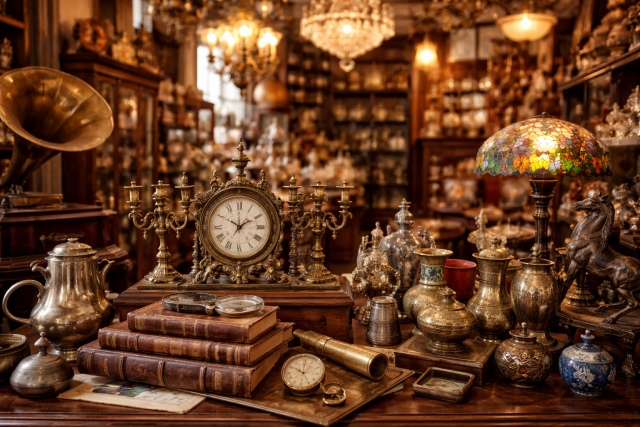
Singapore’s antique scene is far more layered than it first appears. Beyond the polished storefronts and curated showrooms lies a network of collectors, restorers, and dealers who shape how history is preserved and presented for modern homes. We’ve found that buying antiques here isn’t just about spotting a beautiful piece; it’s about understanding where it comes from, who sourced it, and how much of its story remains intact. In a market where reproductions and restorations often blur the lines, being discerning about where we shop becomes just as important as what we bring home.
That’s precisely why we’ve approached this list from a more discerning perspective, focusing not just on inventory, but on intent, expertise, and curatorial strength. Ahead, we break down how we chose these recommendations, what to look out for when selecting the right antique shop in Singapore, and quick ways to match your needs to the right destination along with a few deeper insights to help you shop with confidence.
Quick Picks: Best Antique Shops in SG
If you’re not quite sure where to begin, we find it helpful to start with intent. Here’s how the standout categories break down:
- Best for statement colonial furniture: Ideal if you’re looking to anchor a space with large, storied pieces that carry strong historical character.
- Best for elegant tabletop antiques: Perfect for those who prefer starting small—think tea sets, glassware, and decorative accents with daily use appeal.
- Best for Chinese antiques with variety: A good fit if you want both authentic heritage pieces and accessible reproductions in one place.
- Best for eclectic vintage hunting: Suited for patient browsers who enjoy the thrill of uncovering unexpected finds at varied price points.
- Best for rare objets d’art: Tailored for seasoned collectors seeking unusual, high-provenance pieces with deeper historical significance.
Each category reflects a different way of engaging with antiques, whether as décor, investment, or personal passion.
1. The Past Perfect Collection
Best for: Statement colonial furniture collectors
Estimated price: From $1,000++ to $20,000++ (statement colonial furniture pieces typically sit at the higher end)
Website: https://pastperfect.sg/
Location: 100 Pasir Panjang Rd, #04-10 (100PP Building), Singapore 118518 / Pasir Panjang (Circle Line), ~5-minute walk
Why it made the list:
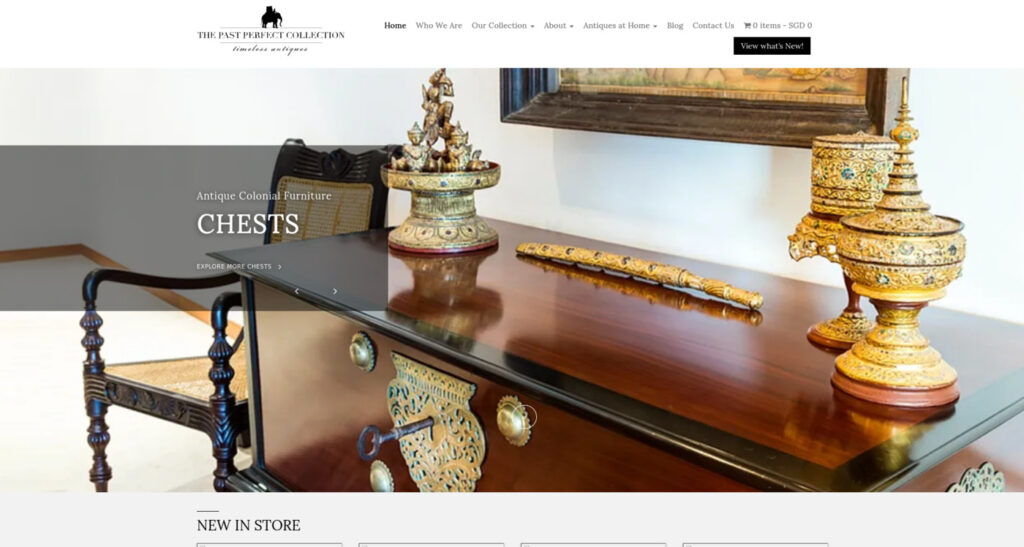
We consider The Past Perfect Collection a rare gem in Singapore’s antique scene—less a shop, more a carefully preserved narrative of colonial design. It shines for tight focus on Indo-European furniture, where British, Dutch, and Portuguese influences meet Indian craftsmanship. The result is a collection that feels cohesive yet deeply storied, from four-poster beds to rosewood cabinets and caned daybeds.
We appreciate how each piece is not only sourced with intention but restored with restraint, preserving patina and provenance rather than over-polishing history away. The showroom itself reinforces this sensibility—airy, unhurried, and designed to let pieces breathe. Add to that thoughtful touches like home viewings and early access through the Collector’s Circle, and we find it especially compelling for serious collectors looking to invest in heirloom-quality furniture with a strong narrative backbone.
What to note:
Prices can shift without much notice, and availability isn’t always guaranteed despite the frequently updated catalogue. It’s best to treat visits as exploratory rather than transactional if you’re eyeing something specific.
2. The British Antiques Company
Best for: Elegant tabletop antiques and gifting
Estimated price: From $50++ to $5,000++ (smaller tableware and décor at entry level, furniture and rarer pieces higher)
Website: https://neandni.com/
Location: 213 Henderson Rd, #01-04, Singapore 159553 / Redhill (East-West Line), ~10–12-minute walk
Why it made the list:
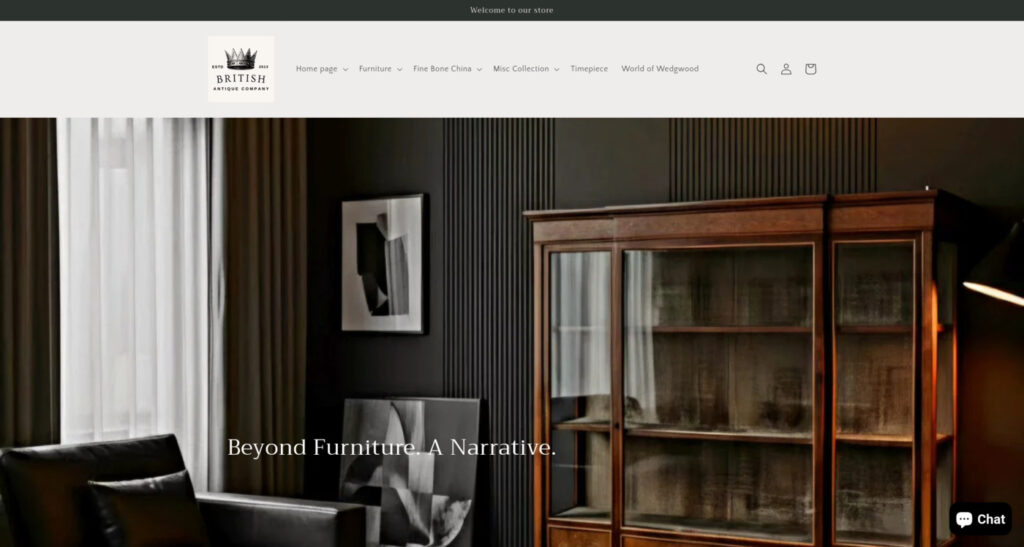
If our idea of antique shopping leans towards the romantic—think afternoon teas, polished silver, and heirloom glassware—then The British Antiques Company delivers in spades. We like that the curation goes beyond furniture, placing a strong emphasis on fine bone china, teapots, and tableware sourced across the UK and Europe.
It’s the kind of place where building a collection feels accessible, whether we’re starting with a single teacup or an entire dining set. The inclusion of clocks maintained by a specialist and a growing range of furniture adds depth without diluting its identity. There’s also a clear philosophy at play: antiques here aren’t just for display, but for daily use. That practicality, paired with the store’s refined aesthetic, makes it particularly appealing for those looking to integrate vintage charm into modern living.
What to note:
The 30-day return policy is reassuring, but discounted items are excluded, which can catch us off guard if we’re bargain hunting. It’s worth double-checking before committing.
3. Just Anthony
Best for: Chinese antiques with scale and variety
Estimated price: From $200++ to $10,000++ (wide range spanning accessories to large antique furniture)
Website: https://www.justanthony.com/
Location: 379 Upper Paya Lebar Rd, Singapore 534972 / Tai Seng (Circle Line), ~10-minute walk
Why it made the list:
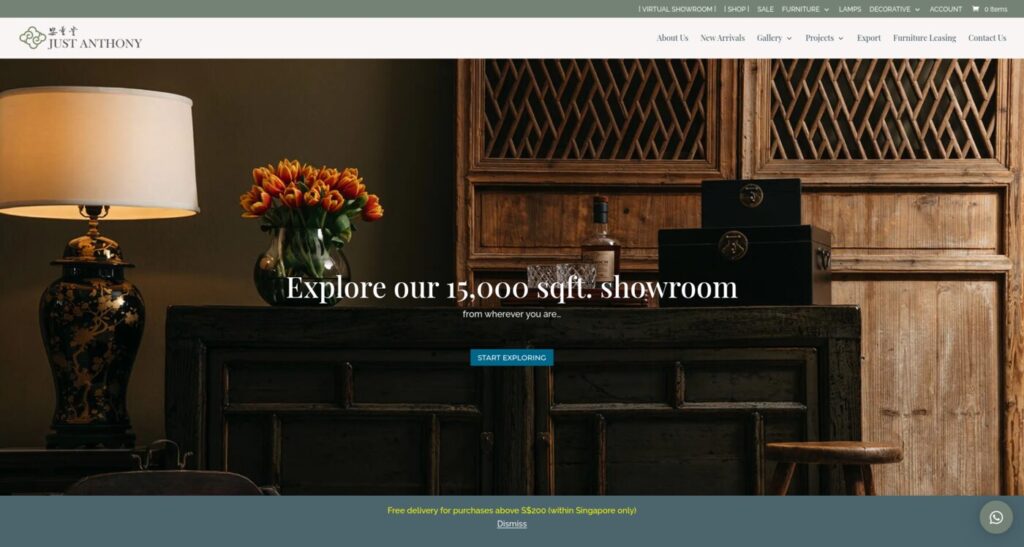
Few places match the sheer scale and breadth of Just Anthony. Housed across a bungalow and warehouse, it feels more like a destination than a shop, one where we can spend hours navigating rows of cabinets, daybeds, and intricately carved panels. What keeps us coming back, however, is the balance between authenticity and accessibility.
The team’s direct sourcing trips to China ensure a steady rotation of genuine antiques, while their commitment to preserving original patina gives pieces a lived-in integrity we value. At the same time, the availability of reproductions and modern accessories means we’re not limited to high-ticket items. Whether we’re after a Ming-style cabinet or a contemporary ceramic stool, the selection caters to both purists and casual decorators. It’s this versatility paired with decades of expertise that secures its place on our list.
What to note:
The return window for damaged items is notably tight at 24 hours, and international returns are largely off the table. We’d recommend inspecting purchases promptly, especially for larger pieces.
4. Treasure At Home
Best for: Eclectic vintage hunters and bargain seekers
Estimated price: From $2++ to $10,000++ (highly varied—small collectibles to large Peranakan cabinets, with negotiable pricing)
Website: https://www.instagram.com/treasure_at_home/
Location: 80 Playfair Rd, #06-13B Kapo Factory Block B, Singapore 367998 / Tai Seng (Circle Line), ~8–10-minute walk
Why it made the list:
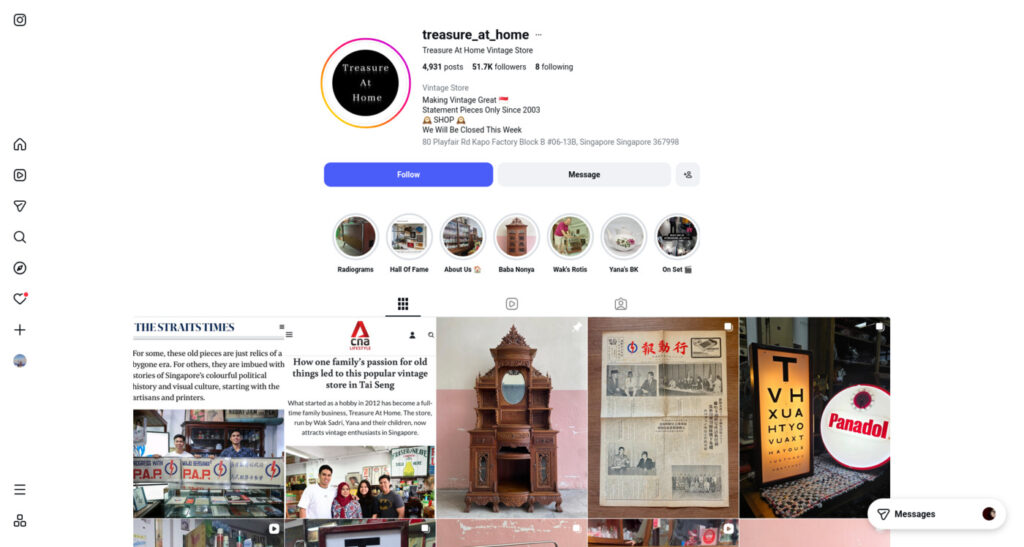
There’s a certain thrill we associate with Treasure At Home, one that feels closer to a treasure hunt than a traditional retail experience. What began as a modest hobby has evolved into a cult favourite, and it’s easy to see why. The space itself is delightfully chaotic, packed wall-to-wall with vintage furniture, enamel signage, porcelain wares, and curious knick-knacks sourced from across Southeast Asia.
We like that the curation isn’t overly polished; instead, it leans into variety and surprise, rewarding those willing to dig. Pricing is equally compelling, ranging from a few dollars for small collectibles to statement Peranakan cabinets, with room for negotiation and even interest-free instalments. Add to that the owners’ laid-back, no-pressure approach, and we find it especially inviting for both seasoned collectors and casual browsers looking for something unexpected.
What to note:
The sheer volume of items can feel overwhelming, and finding specific pieces may take time. Opening days are also limited due to sourcing trips, so planning ahead is essential.
5. Aphorism
Best for: Serious collectors of rare objets d’art
Estimated price: From $500++ to $15,000++ (curated objets d’art and rare pieces typically priced at a premium)
Website: https://www.aphorism-antiques.com/
Location: 72 Seng Poh Rd, #01-51, Singapore 160072 / Tiong Bahru (East-West Line), ~8-minute walk
Why it made the list:
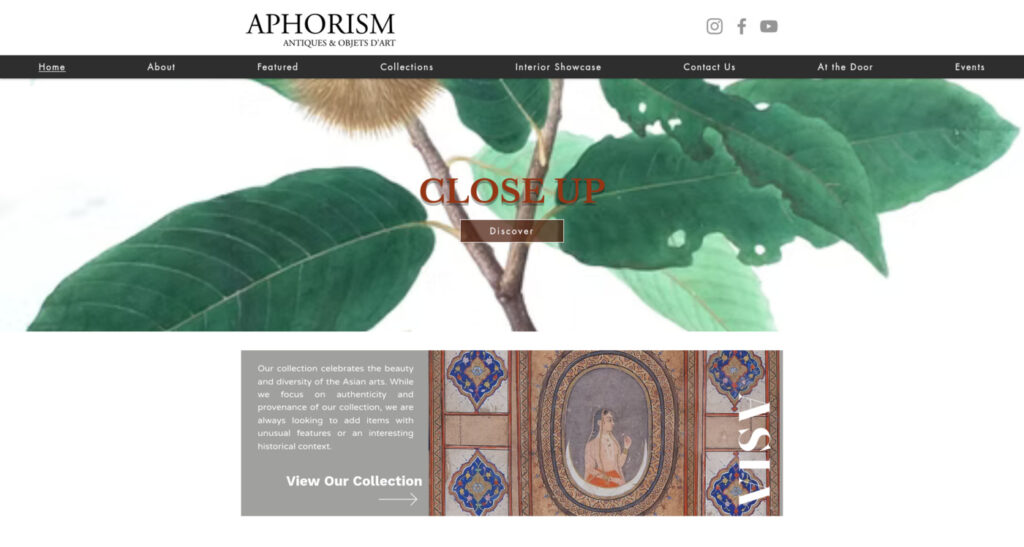
For those of us who gravitate towards the scholarly side of collecting, Aphorism offers a distinctly intellectual experience. Rather than sheer volume, the focus here is on rarity, provenance, and cross-cultural significance—particularly the interplay between Europe and Asia across centuries of trade. The collection reads almost like a curated cabinet of curiosities, where colonial artefacts, decorative objects, and furniture coexist with pieces that blur the line between art and historical document.
We appreciate the gallery’s embrace of age as a virtue, allowing wear and patina to tell their own stories. There’s also a strong curatorial voice at play, favouring objects with unusual features or compelling backstories over purely decorative appeal. Regular exhibitions and the willingness to source pieces for collectors further reinforce its position as a destination for those who take their antiquing seriously.
What to note:
This is not a casual browse-and-buy space—inventory can be highly specialised, and pieces may require a deeper appreciation (and budget) to justify. It’s best approached with intent rather than impulse.
How We Curated These Antique Shops
When it comes to antiques, not all shops operate on the same philosophy. We looked beyond surface-level variety and considered what truly defines a worthwhile destination for collectors and casual buyers alike.
- Curatorial identity: We prioritised shops with a clear point of view—whether it’s colonial furniture, Chinese antiques, or European objets d’art—rather than those that try to do everything.
- Authenticity and provenance: Pieces should come with a traceable story or at least a credible sourcing process, not just aesthetic appeal.
- Restoration approach: We favour sellers who preserve patina and character, rather than over-restoring items into something unrecognisable.
- Range and accessibility: A strong mix of statement pieces and smaller collectibles makes a shop more approachable for different budgets.
- Buying experience: From showroom layout to staff knowledge, the overall experience should feel considered—not transactional.
Taken together, these factors help separate shops that simply sell antiques from those that genuinely steward history.
How to Choose the Right Antique Shop
Finding the right antique shop often depends on what you value most—whether that’s investment-worthy pieces or decorative charm. Here’s how we typically narrow it down:
- Define your intent: Are you collecting seriously, decorating a space, or simply browsing? Your goal should guide where you shop.
- Check sourcing transparency: Shops that openly share where and how they acquire pieces tend to be more reliable.
- Assess restoration quality: Look closely—overly “perfect” finishes may indicate heavy restoration that erases originality.
- Consider scale and space: Larger warehouses offer variety, while smaller boutiques often provide tighter curation.
- Understand pricing flexibility: Some shops allow negotiation or instalments, while others operate at fixed, premium tiers.
Ultimately, the right shop should align with both your aesthetic sensibilities and your comfort level as a buyer. If your interest in vintage extends beyond home décor, you might also consider browsing vintage clothing in Singapore, where similar principles of authenticity, condition, and curation apply.
What “Authenticity” Really Means in Singapore’s Antique Scene
Authenticity in antiques isn’t always as straightforward as age. In Singapore, where global trade routes have long influenced the market, many pieces are hybrids—European designs crafted in Asia, or traditional forms adapted for export.
This means we often need to look beyond labels. True authenticity lies in construction methods, materials, and wear patterns, rather than a seller’s description alone. A well-preserved patina, minor imperfections, and signs of use can be more telling than a polished finish. Equally, reputable shops will be upfront about whether a piece is fully original, partially restored, or a faithful reproduction.
Understanding these nuances helps us appreciate antiques not just as objects, but as cultural artefacts shaped by movement, trade, and time.
Is It Better to Buy Antique or Reproduction Pieces?
This is a question we find many buyers grappling with, and the answer depends largely on priorities. Original antiques offer historical value, uniqueness, and potential long-term appreciation, but they often come with higher costs and maintenance considerations. On the other hand, reproductions provide visual impact at a more accessible price point, often with modern durability and functionality.
In practice, we see many collectors blending both. A statement antique cabinet might sit alongside reproduction seating or décor, creating a layered space that feels intentional rather than overly curated. The key is transparency: knowing exactly what you’re buying and why.
Final Thoughts
The best antique shop in Singapore is arguably the one that aligns with what you value most. If you’re drawn to history-rich statement pieces, you might gravitate towards tightly curated collections; if you prefer variety and discovery, larger, eclectic spaces may suit you better. Ultimately, the right choice comes down to how you want to live with these pieces. Take your time, ask questions, and let your instincts guide you—you’ll know when something feels worth bringing home.
Frequently Asked Questions (FAQ)
1. Do these specialized shops typically coordinate delivery for heavy furniture into HDB or condo units?
Most established antique dealers in Singapore partner with specialized movers experienced in maneuvering delicate, heavy timber through narrow corridors and service lifts. While standard delivery is often included for large purchases, it is advisable to check if additional surcharges apply for units requiring manual hoisting or walk-up access.
2. If a vintage piece requires minor repairs or reupholstery later on, do these dealers offer in-house restoration services?
While many shops provide a basic “refresh” before delivery, not all maintain full-scale workshops for long-term maintenance. Several curators can, however, provide a vetted list of local craftsmen who specialize in traditional joinery or period-accurate fabrics to ensure future repairs preserve the item’s historical integrity.
3. Is it standard practice for Singaporean antique shops to provide certificates of authenticity or provenance for high-value items?
Formal certificates are generally reserved for significant artifacts or investment-grade pieces rather than general vintage furniture. For peace of mind, you can request an itemized receipt detailing the estimated age, origin, and material composition, which serves as a necessary record for personal insurance valuations.