

Everyone loves a day out that’s enriching and easy on the wallet. Luckily, Singapore is full of fascinating stories, and many of the best free museums in Singapore let you explore them at no cost. While some national museums offer free entry to Citizens and PRs, there are also standout spots that welcome all visitors for free.
To help you discover Singapore’s rich past, we’ve rounded up six top destinations perfect for history lovers, from colonial fortifications to the rise of our modern city-state.
Note: This list is strictly not in order.
1. National Museum of Singapore
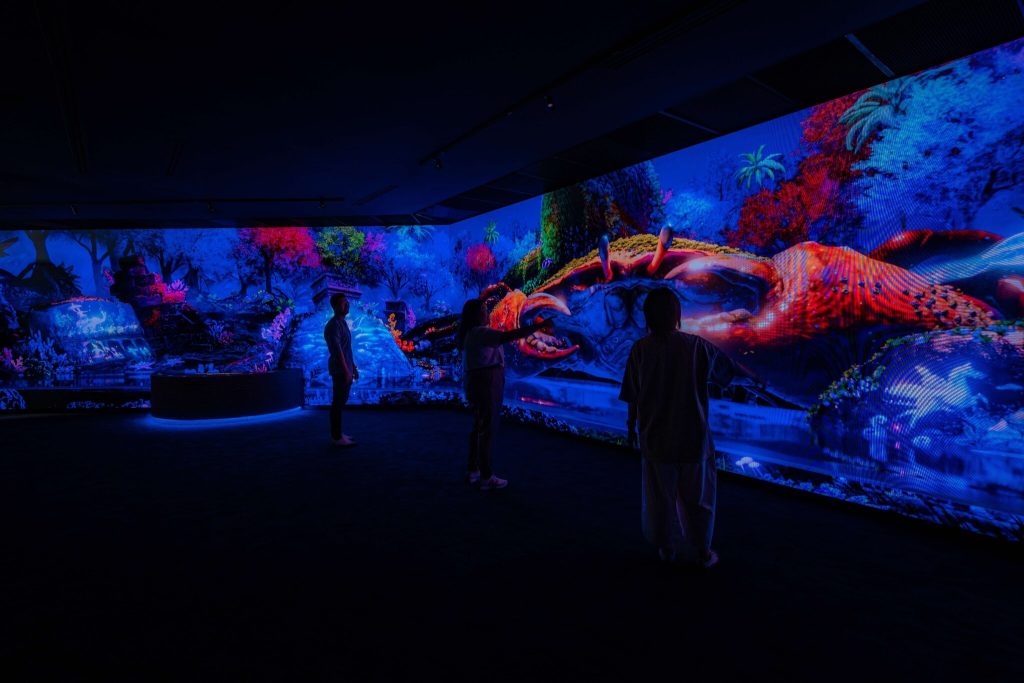
The National Museum of Singapore, founded in 1887, is the nation’s oldest museum and one of its most beloved cultural landmarks. As a free entry museum for Singaporeans and PRs, it’s an easy and welcoming place to explore the country’s rich heritage. Its beautiful neo-Palladian architecture offers a glimpse into Singapore’s past, while immersive exhibitions like the Singapore History Gallery use engaging multimedia to bring history to life.
The museum has received numerous recognitions, including TripAdvisor’s Travellers’ Choice Awards, and it continues to stay lively with events such as the Singapore Night Festival, which draws large crowds with its stunning installations and performances. Visitors can also join guided tours, hands-on workshops, and student programmes for a deeper learning experience. With a cosy café and a thoughtfully curated retail store, the National Museum provides a warm, inspiring, and enjoyable visit for all ages.
Prices:
Singapore Citizens & Permanent Residents
- General Admission – Free
- All Access (Permanent Galleries + SKULLPANDA CAGE-UNCAGE Singapore)
Early All Access (From 12–16 Dec 2025) – $22
Standard All Access (From 17 Dec 2025) – $14 - Tourists & Foreign Residents
General Admission
Standard Adult – $24
Concession1 (Senior (60 years and above), Student2, Special Access3) – $18 - Standard Adult All Access (Permanent Galleries + SKULLPANDA CAGE-UNCAGE Singapore)
Early All Access (From 12–16 Dec 2025) – $40
Standard All Access (From 17 Dec 2025 – 22 Feb 2026) – $36 - Concession All Access (Permanent Galleries + SKULLPANDA CAGE-UNCAGE Singapore)
Early All Access (From 12–16 Dec 2025) – $32
Standard All Access (From 17 Dec 2025 – 22 Feb 2026) – $28
Note: Admission is free for all children aged six and below
Highlights:
- The museum offers free admission to its permanent galleries for all Singapore Citizens and Permanent Residents (PRs), making it highly accessible to the local community.
- It is positioned as the first stop for visitors to discover the history of Singapore and experience the diverse voices, perspectives, and stories of the nation’s people.
- It hosts major permanent exhibitions, such as “Singapore Odyssea: A Journey Through Time,” alongside rotating special exhibitions that inspire visitors with stories of Singapore and the world.
Customer Reviews:
Aishwarya srikanth
I would visit this place again and again because the museum is extremely well built and the voluntary guides are super knowledgeable. Great storytelling skills. I loved learning about SG’s history in the most fun way.
Patricio Hernán Soto Santamaria
An amazing cultural and historical experience in Singapore. A 5/5 for understanding its multicultural identity! ?
Thanakom Yospolsakul
The building and architecture itself is worth checking this museum out. Love the exhibitions and some interactive parts added in the presentations.
Website: https://www.nhb.gov.sg/nationalmuseum/
Contact: 6332 3659
Location: 93 Stamford Rd, Singapore 178897
Opening Hours: 10 AM–6:30 PM Daily
2. National Gallery Singapore
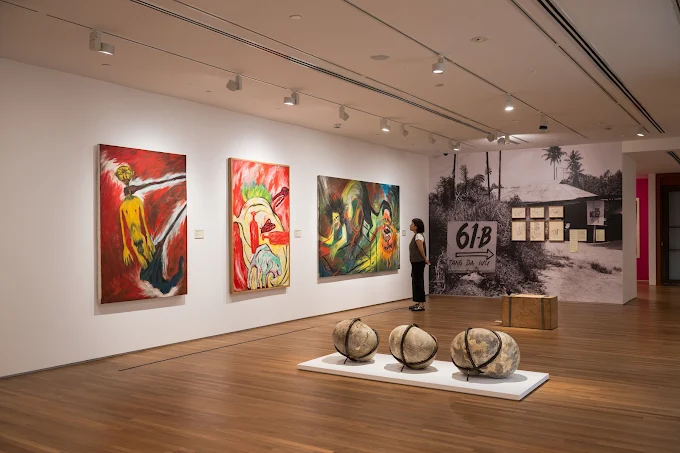
Have you ever wondered where to enjoy world-class art in Singapore for free? National Gallery Singapore is one of the best cultural spots locals and PRs can visit, housed in the beautifully restored City Hall and former Supreme Court buildings. With over 8,000 artworks, the gallery presents the largest public collection of modern Southeast Asian art through both permanent and rotating exhibitions, earning international acclaim since its opening in 2015.
Beyond the galleries, visitors can enjoy artist talks, film screenings, “Open House” events, and family-friendly activities at the Keppel Centre for Art Education. Add in rooftop dining with panoramic Marina Bay views, and it’s clear why the National Gallery remains a must-visit for anyone seeking an inspiring and memorable day out.
Prices:
- Free entry for Gallery Insiders, children six and under, locally-based students and teachers, and persons with disabilities with one caregiver.
General Admission
- Local – Singaporeans / PRs – Free
Standard – Other Nationalities – $20 - Special Exhibition
Local – Singaporeans / PRs – N/A
Standard – Other Nationalities – $25 - All Access*
Local – Singaporeans / PRs – $15
Standard – Other Nationalities – $30
Concession Rates^ - $5 off for:
Children aged 7–12
Senior aged 60 and above
Full-time National Servicemen (excluding foreign personnel)
Overseas students and teachers from qualifying institution
Highlights:
- General admission to the Gallery’s permanent collection and selected exhibitions is free for Singapore Citizens and Permanent Residents (PRs).
- The Gallery houses the world’s most extensive public collection of Singapore and Southeast Asian modern art.
- Beyond its permanent collections, the Gallery regularly hosts major international collaborations and signature events.
Customer Reviews:
Vy Bui Vu Tuong
Always fall in love with the exhibition here. A place thay open you a new world of art and culture in a very aesthetic way.
Malcolm Wild
Peace and culture in the heart of Singapore. A nice place to escape the heat of the day. They have many free exhibitions as well as the headline exhibitions, which Singapore does a great job of bringing in from all over the world. The coffee shop is very nice too.
Syifa Luri Sulanjani
A nice gallery with pretty layout. If you’re looking for a free & comfortable place to rest while travelling, you can go here.
Website: https://www.nationalgallery.sg/
Contact: 6271 7000
Location: 1 St Andrew’s Road, Singapore 178957
Opening Hours: 10 AM–7 PM Daily
3. Children’s Museum Singapore
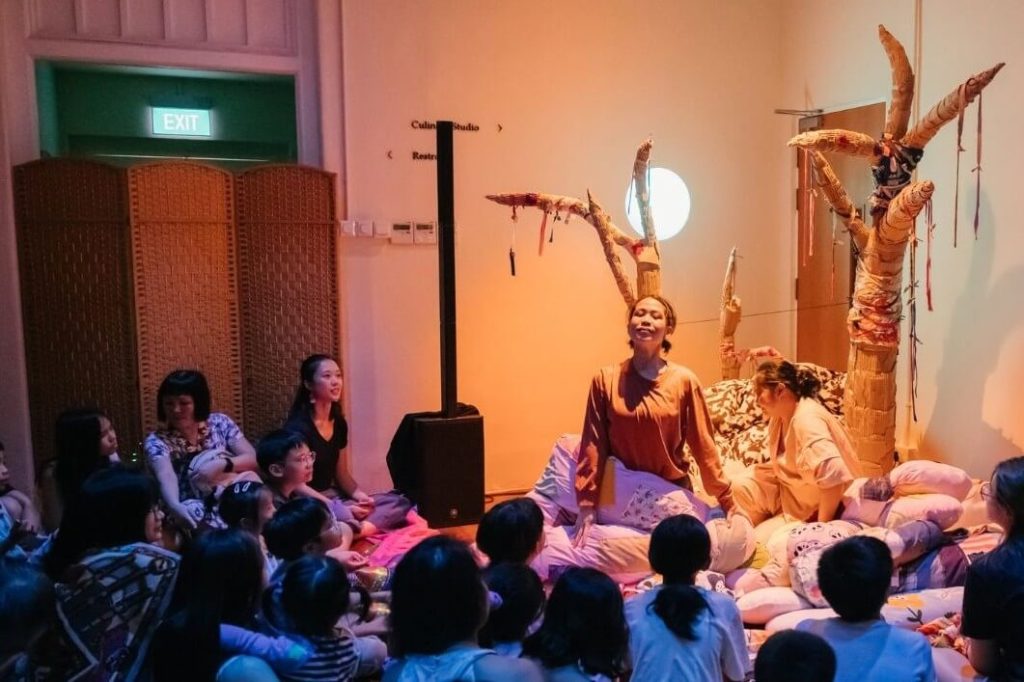
Children’s Museum Singapore brings history and imagination to life in a way that captivates even the youngest explorers. As the nation’s first museum designed entirely for children, it turns heritage stories into hands-on adventures, giving families a rare chance to enjoy an exciting museum experience. Kids aged 12 and below can dive into multi-sensory exhibits, solve playful challenges, and discover Singapore’s past through touch, sound, and movement.
From boarding a 1900s steamship in “A Voyage Back in Time” to joining workshops and storytelling sessions, the museum keeps learning lively, safe, and meaningful. Housed in a beautifully restored shophouse, it blends old-world charm with modern, child-friendly design. It’s no surprise parents love it — every visit sparks curiosity, creativity, and memorable family moments.
Prices:
Admission is free for Singaporeans and PRs
Tourist and Foreign Residents
- Child – $10.90
- Adult – $16.35
- Activities & Events
- Superhawker Me! (7 Dec 2025 @2pm) – $20 per pax
Highlights:
- It is the first museum in Singapore specifically dedicated to children aged 12 and below, designed to act as a “starter museum” to introduce young visitors to the museum-going experience and cultivate a sense of curiosity and joyful learning about Singapore and the world.
- The museum strongly supports local access to arts and heritage by offering free general admission to all Singapore Citizens and Permanent Residents.
- CMSG is dedicated to being an inclusive space for children of all abilities.
- The museum design encourages hands-on exploration where touching is allowed, and it organises specific programs, such as relaxed performances, designed with neurodiverse children and families in mind.
Customer Reviews:
eeling ng
My kid 1 years old birthday enjoyed the museum a lot is free for local/pr. Great place to let your child explore and burn their energy
Indy Dali
It’s free for Singaporeans! This place is cool and fun for the kids. Adults gotta bring at least one kid to get in. They’ll learn about how Singaporeans used to live back then. So many good memories, for sure. ??
ZH
Well maintained, educational and fun museum for children to learn more about Singapore’s historical way of life.
Website: https://www.heritage.sg/childrensmuseum
Contact: 6337 3888
Location: 23-B Coleman St, Singapore 179807
Opening Hours: Tuesday-Sunday 9–10:45 AM, 11 AM–12:45 PM, 2–3:45 PM, 4–5:45 PM I Closed on Monday
4. NUS Museum
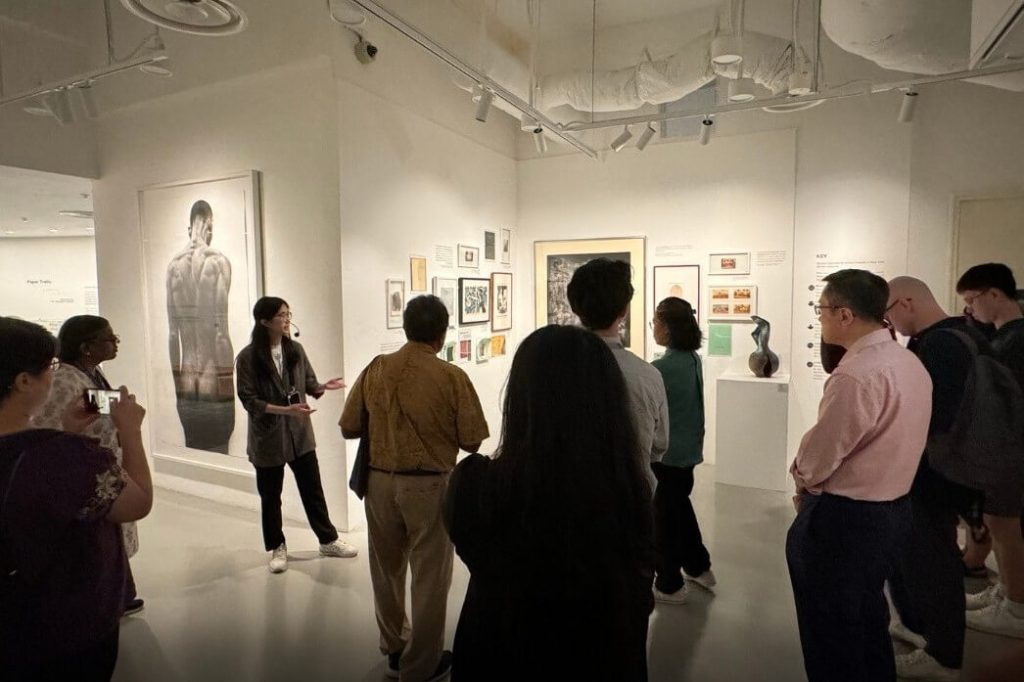
Tucked away inside the National University of Singapore, NUS Museum feels like a hidden cultural sanctuary waiting to be stumbled upon. It stands out as one of Singapore’s most delightful free-entry museums, offering visitors a quiet escape into stories shaped by art, history, and research.
Home to more than 8,000 artefacts spanning Asia, the museum is best known for its Lee Kong Chian Collection, where classical and contemporary Southeast Asian works take centre stage. Exhibitions here lean into thoughtful, research-driven narratives, and student-curated projects bring fresh perspectives to the galleries. With engaging public programmes ranging from lectures to film screenings and workshops, the museum creates a rich learning environment while nurturing future museum professionals. It’s a peaceful space on campus where art invites reflection, curiosity, and deeper understanding.
Prices:
- Admission is free. For Ticket prices, kindly contact them for inquiries.
Highlights:
- It offers free entry to all visitors for its exhibitions and most of its public programmes.
- The museum houses four major collections encompassing diverse cultural artefacts and artistic practices: the South and Southeast Asian Collection, the Lee Kong Chian Collection, the Ng Eng Teng Collection, and the Straits Chinese Collection.
- As the university museum of NUS, it serves as a key intellectual resource, actively engaging in course collaborations, research, and student development to promote the arts, heritage, and curatorial practice within an academic context.
Customer Reviews:
Khaira Cheah
Super awesome museum with lots of exhibits. Plan to spend about 2 to 3 hours checking them out.
Tang Wan Ru
I recently visited the NUS Museum and was absolutely fascinated by its collection focused on animals and natural history. One of the highlights was seeing the impressive dinosaur bones and massive whale skeleton, which offered a real sense of scale and history that photos simply can’t capture.
Vy Nguyễn Thảo
A nice place to discover about the biology & history, worth experience for children & family
Website: https://museum.nus.edu.sg/
Contact: 6516 8817
Location: 50 Kent Ridge Cres, Singapore 119279
Opening Hours: Tuesday-Saturday 10 AM–6 PM I Closed on Sundays and Mondays
5. Singapore Discovery Centre
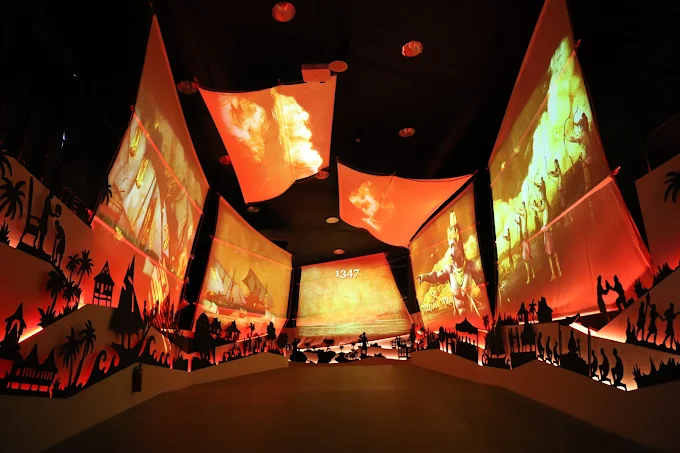
Singapore Discovery Centre isn’t your typical museum. It’s a place where history comes alive through stories, simulations, and hands-on fun, giving visitors a fresh look at Singapore’s past, present, and future. Since opening in 1996, it has become a favourite learning spot for SAF personnel, students, and families eager to explore the nation’s resilience and progress in an interactive way.
From immersive galleries and award-winning short films to thrilling experiences like the XD Theatre Ride and the Black Lake Escape Room, the centre blends education with adventure. School groups often come for workshops and learning journeys, while outdoor activities such as pedal boats and laser tag add a playful twist. With its mix of insight and entertainment, Singapore Discovery Centre offers a museum experience that’s anything but ordinary.
Prices:
- Admission is free for Singaporeans and PR.
- For ticket prices for non-Singaporeans, kindly contact them for inquiries.
Highlights:
- Admission to the main Permanent Exhibits Gallery, which tells the Singapore Story, is free for all Singapore Citizens and Permanent Residents (PRs), solidifying its status as a highly accessible heritage institution.
- This permanent exhibit offers a multi-sensory and interactive journey through Singapore’s history.
- Their gallery provides a multi-sensory and interactive journey through Singapore’s history, covering milestones from its pre-colonial origins through the Japanese Occupation and into its present-day nation-building efforts.
Customer Reviews:
Iman Nor
Great tour that we had with miss shu we learnt alot about the history wld recommend this tour again
Aden Chua
Tour guide Shu was fantastic, learned many new things today, such as information on the 5 Kings of Singapura and the various bits of history that I had not learnt about before. Overall a 10/10 experience.
「Aless」
Had a delightful and sophisticated tour on various parts of the history of Singapore, tour done by Shu.
Website: https://www.defencecollectivesg.com/sdc/
Contact: info@sdc.com.sg
Location: 510 Upper Jurong Rd, Singapore 638365
Opening Hours: Monday-Friday 12–6 PM I Saturday and Sunday 11 AM–7 PM
6. Asian Civilisations Museum
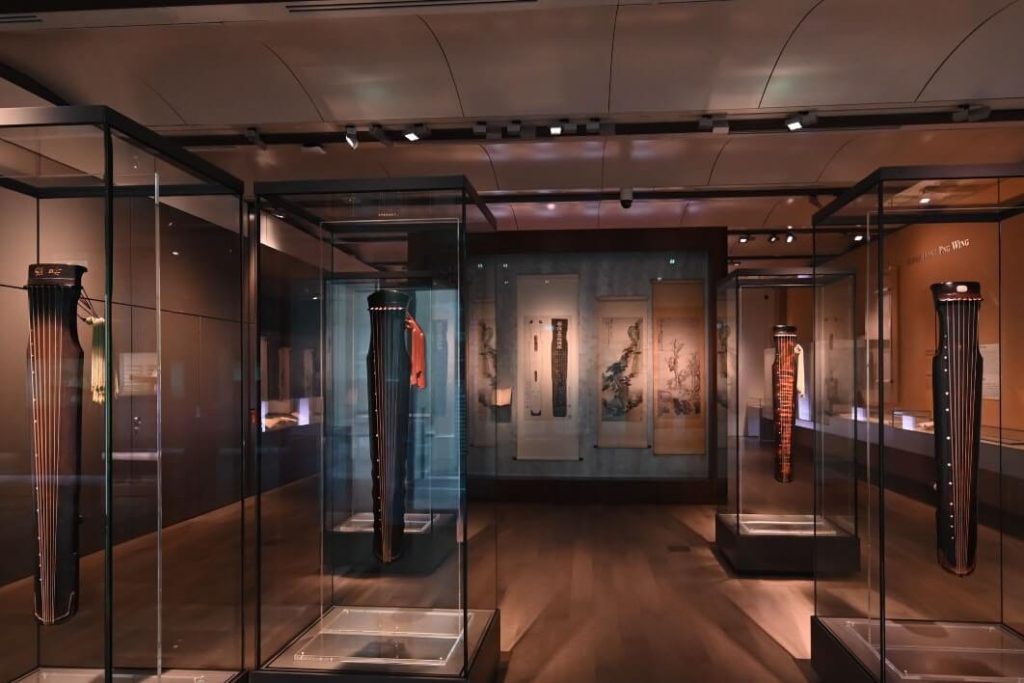
Step into the Asian Civilisations Museum (ACM), where Asia’s rich artistic heritage comes alive along the scenic Singapore River. Since its opening in 1997, ACM has captivated visitors with masterpieces from China, Southeast Asia, South Asia, and the Islamic world. Highlights include the iconic “Trade and the Maritime Silk Route” gallery, home to the remarkable Tang Shipwreck collection, as well as world-class travelling exhibitions in collaboration with international museums.
More than just a museum, ACM offers hands-on cultural workshops, craft sessions, and festive celebrations, making it a vibrant hub for families and heritage enthusiasts alike. Its riverside setting at historic Empress Place only adds to its charm, while multiple awards, including the Museum Roundtable Award for Best Content, cement its status as a cornerstone of cultural learning in Singapore. Locals can also enjoy selected free access, making it a must-visit destination for a deep dive into Asia’s artistic legacy.
Prices:
- Singaporeans and PRs can visit all permanent galleries for free, with charges applying only for special exhibitions.
Foreign Residents / Tourists
- Adults – $25
- Children 6 years and below – Free
Highlights:
- ACM is the only museum in Asia dedicated to exploring the rich artistic heritage of the continent through a broad, pan-Asian scope.
- The museum’s permanent galleries offer free admission all year round for Singapore Citizens and Permanent Residents (PRs), solidifying its position as a highly accessible national cultural landmark.
- Its collections are organised around three cross-cultural themes that highlight global exchange: Maritime Trade, Faith and Belief, and Materials and Design, offering visitors an integrated view of Asian art, craft, and aesthetics.
Customer Reviews:
Nate Matthews
Excellent museum, currently with a games special exhibition which is definitely worth it. The museum is well organised and the displays are informative. It covers most of the trade routes and the history of trading within Asia with lots of fascinating artefacts, especially those from the maritime tradition that were recovered from shipwrecks. There is a child section, for younger children, and the gift shop is worth a look. I learnt a lot from attending and would not hesitate to go back. You probably need around 2 hours to see everything.
See Ray Ng
Exhibits are well curated with a diverse range of topics and artifacts. The information boards were concise and easy to understand. Staff were also very friendly and very proactive, welcoming me the moment I entered
Carlos Germán Rivera Placencia
An excellent activity if you’re looking to learn a little about Asian culture in Singapore, this museum will give you insights into trade and religion, and will also help you understand why it’s a multicultural Asian country.
Website: https://www.nhb.gov.sg/acm/
Contact: 6332 7798
Location: 1 Empress Pl, Singapore 179555
Opening Hours: Saturday-Thursday 10 AM–7 PM I Friday 10 AM–9 PM
BestLah’s Recommendation
Not sure which free-entry museum in Singapore to explore first? Here are our top picks to help you find the perfect starting point.
1. Best for families with young children
Our pick: Children’s Museum Singapore
For parents looking to introduce their little ones to Singapore’s heritage, the Children’s Museum is unmatched. Designed specially for kids aged 12 and below, it turns history into hands-on play through sensory zones, interactive exhibits, and storytelling adventures. Singaporeans and PRs enjoy free entry, making it a fuss-free family outing.
Parents consistently praise how the space is safe, thoughtful, and inclusive – even for neurodiverse children. It’s one of the rare museums where touching, exploring, and moving freely are all part of the learning experience.
2. Best for art lovers and culture seekers
Our pick: National Gallery Singapore
If your idea of history includes creativity and visual storytelling, head to National Gallery Singapore. Home to the world’s largest collection of modern Southeast Asian art, it offers free general admission for Singaporeans and PRs, making it a top-tier cultural experience at zero cost.
Visitors love the peaceful ambience, beautifully restored architecture, and the wide mix of exhibitions, from international collaborations to family-friendly spaces like the Keppel Centre. Add rooftop dining overlooking Marina Bay, and you’ve got one of the city’s most inspiring places to spend an afternoon.
3. Best all-round experience for Singapore’s history lovers
Our pick: National Museum of Singapore
If you want a single museum that gives you the fullest, most engaging look at Singapore’s past, the National Museum is the clear winner. With beautifully designed galleries, multimedia storytelling, and guides who bring every chapter of history to life, it’s easy to see why visitors return again and again. Locals enjoy free entry to the permanent galleries, making it an accessible, low-commitment option for a meaningful day out.
From heritage workshops to major cultural events like the Singapore Night Festival, the museum constantly refreshes its offerings, making it perfect for anyone who wants both learning and atmosphere in one spot.
Final Thoughts
Discovering Singapore’s past doesn’t have to cost a thing, and this list is your perfect reason to plan a weekend adventure. Whether you’re drawn to WWII stories or intrigued by the design evolution of our modern cityscape, these free-entry museums offer a meaningful peek into the moments that shaped who we are.
Pick a new heritage spot to explore, wander through the galleries, and let our nation’s stories surprise you. And if you’re looking for more fun things to do in Singapore, you can opt for the best tufting classes too. It’s a hands-on way to get creative between museum visits.
Singapore’s best free museums are open, welcoming, and ready to teach you something new about the place we call home!
Frequently Asked Questions (FAQ)
2. Are the temporary or special exhibitions that are rotated throughout the year also included in the complimentary admission for local residents?
Regrettably, the answer is typically no. The complimentary admission scheme for citizens and PRs is specifically ring-fenced to cover the core, long-term installations that tell the enduring story of the nation. Temporary or special exhibitions operate under a different financial model. These high-profile shows often feature rare artefacts loaned from international museums, require extensive climate control and security measures, and involve high licensing fees for intellectual property. These substantial operating costs necessitate a separate, paid ticket to ensure the financial viability of bringing such unique cultural experiences to the public.
To manage the cost and access barrier, many institutions offer affordable annual membership programs or "Friends of the Institution" passes specifically designed to provide unlimited or significantly discounted access to these rotating special exhibitions throughout the year. If you are a dedicated history lover planning to visit multiple times to catch every seasonal exhibition, investing in a membership is usually the most cost-effective solution, offering great value beyond the standard free entry.
3. How accessible are these historical centres for visitors with mobility issues, such as seniors, wheelchair users, or families with young children and prams?
Singapore's major cultural centres are designed with an emphasis on inclusive access and adherence to Universal Design standards, ensuring a comfortable experience for all visitors. Within the facilities, you can expect wide, smooth pathways, numerous well-maintained ramps, and large, easily accessible lifts to navigate all levels of the exhibition halls. The vast majority of the spaces are intentionally carpeted or have smooth flooring to ease the movement of wheelchairs and prams.
Beyond architectural design, many institutions offer practical support services. These often include the complimentary loan of wheelchairs at the visitor services desk—it is advisable to call ahead to reserve one during peak periods. Designated, spacious accessible restrooms are standard on every floor. For families, dedicated nursing rooms and private baby changing facilities are commonly provided. Furthermore, for visitors who might be overwhelmed by the crowds, certain institutions may offer "quiet hours" or sensory-friendly kits; checking the website for specific accessibility resources is highly recommended for a truly stress-free visit.
4. I am visiting with school-aged children. Which of these historical venues are considered the most engaging or feature the best interactive exhibits suitable for younger students?
When visiting with school-aged children, the most suitable venues are those that move beyond static displays to incorporate immersive and interactive learning experiences. Institutions that focus on social history, community life, and cultural heritage are typically the best fit. Look out for galleries that integrate technology like Augmented Reality (AR) or Virtual Reality (VR) stations, allowing children to "step into" a historical scene or virtually manipulate artefacts.
These child-friendly venues often dedicate entire sections to hands-on activities, such as tactile discovery chests, role-playing zones based on historical trades, or interactive digital kiosks linked to the local school curriculum. Many national institutions also provide free downloadable activity sheets or museum trails specifically designed for children to follow and complete, transforming the visit into a purposeful scavenger hunt. By choosing a centre with a strong emphasis on multi-sensory engagement, you ensure that the complex historical content is translated into an accessible and memorable educational experience for younger learners.
5. What are the general rules regarding photography and videography within the exhibition spaces, and are there different regulations for personal use versus social media content creation?
The general rule across nearly all national historical institutions is that personal, non-flash photography is permitted in the permanent galleries. This is a privilege extended to visitors to capture and share their experience casually. However, the prohibition on flash photography is a strict, non-negotiable rule everywhere, as the powerful light can cause irreversible fading and deterioration to fragile textiles, documents, and historical pigments over time.
For anyone looking to create content beyond simple snapshots—such as using professional cameras with interchangeable lenses, tripods, external lighting, or setting up dedicated interview segments—you must obtain a formal media or filming permit well in advance. This is crucial for managing potential disruption to other visitors and to ensure that any commercial use complies with the institution's intellectual property and copyright policies, especially when dealing with loaned works. When sharing on social media, while personal snaps are fine, always respect the rules and avoid capturing any signage that explicitly bans photography in specific, sensitive areas.
6. I plan to visit a few of these free-entry historical sites in one day. How much time should I allocate for a thorough but efficient visit to a single venue?
For a major national historical institution, a minimum of two and a half to three hours is recommended to ensure a rewarding experience. This allows you enough time to move through the main chronological or thematic sections at a comfortable pace, pausing to read key panels and appreciate significant artefacts without feeling rushed. A rough guide is to allocate approximately 30 to 45 minutes per major gallery or thematic wing.
If your schedule is tighter, you can plan a focused, express visit of about 90 minutes by pre-selecting only one or two galleries that interest you most—for example, only the section on pre-colonial history or the one dedicated to the post-war era. For those seeking a deeper dive, including lunch at the café, browsing the gift shop, and attending a docent-led tour, you should budget closer to four hours. To maximise efficiency, consider visiting on a weekday morning immediately after opening, as the crowds are generally lighter than on weekend afternoons, allowing for faster and more intimate viewing.
7. Are there guided tours available at these institutions, and if so, are these tours also complimentary for Singaporeans and PRs?
Yes, the provision of free guided tours is a standard and highly valuable feature at most national cultural institutions. These tours are almost always complimentary for all visitors, including citizens and PRs, and are typically led by dedicated, expert volunteer docents. These docents bring the exhibits to life by sharing personal anecdotes, little-known facts, and deeper context that you might not find on the display panels.
Tours vary widely: you might find general introductory tours, language-specific tours (often in English, Mandarin, and occasionally Malay or Tamil), or highly focused themed tours (e.g., focusing only on architecture or wartime history). Availability is usually on a first-come, first-served basis, and registration often takes place at the visitor services desk shortly before the tour starts. Since spots can fill up quickly, particularly on weekends, it is highly advisable to check the institution's website for the most current daily schedule and aim to arrive at the registration point at least 15 minutes before the desired start time.
8. Since these institutions are located across the city, what is the best mode of public transport for accessing them, and what are the parking arrangements like?
The strategic location of these national centres means they are optimally served by the nation's robust public transport system. The Mass Rapid Transit (MRT) system is undoubtedly the best and most stress-free way to access them, as most are situated in the Civic District or key cultural hubs, typically within a short, sheltered walk of a major MRT interchange or station (often on the North-South, East-West, or Circle Lines). Using a mobile mapping application to identify the nearest exit is recommended, as stations can be complex.
For visitors who prefer to drive, public car parking facilities are usually available, either in the institution’s own basement (often with high hourly rates) or in nearby commercial buildings or municipal HDB carparks. However, drivers should be prepared for high parking charges, especially during peak hours, weekends, and public holidays. Due to the central location of many sites, bus services also provide an excellent and comprehensive alternative, often dropping off directly outside the venue's main entrance.
9. Besides the permanent collections, what non-exhibition facilities, such as gift shops, cafés, or reading rooms, can visitors expect to find at these venues?
These cultural venues are designed to be vibrant public destinations that offer much more than just exhibition space. Every major institution features a quality gift shop (or museum store) which goes beyond standard tourist souvenirs. You can expect to find a curated selection of books on local history, heritage-inspired merchandise, unique artisanal crafts by local designers, and high-quality prints of artefacts. This provides an excellent opportunity to purchase items that tangibly link back to the narratives you've just explored.
In terms of dining, there is usually at least one on-site Food & Beverage (F&B) establishment, which can range from a casual coffee kiosk serving quick pastries and drinks to a full-service restaurant offering both local and international cuisine. These spaces are ideal for taking a break mid-visit. Larger institutions often incorporate quiet reading rooms, research centres, or public libraries where visitors can delve deeper into historical archives and documents, though access to certain rare materials might require advance booking.
10. If I am planning a large visit, such as for a school excursion, a community group, or a corporate outing, do I need to make a prior booking, even if entry is free?
Yes, absolutely. Making a prior booking is mandatory for any large organised group, irrespective of whether the group qualifies for complimentary admission. Even though the ticket cost may be zero, the logistical implications of a large, unscheduled group are significant. Advance booking allows the institution’s visitor management team to effectively control the flow of foot traffic, preventing bottlenecks at entrances and in narrow gallery spaces, thereby maintaining safety and a positive experience for all visitors.
The booking process typically involves submitting an online form detailing the group size, the date and time of arrival, and whether any specific facilities (like lunch spaces or briefing rooms) are required. By booking ahead, the institution can ensure appropriate staffing levels, prepare a dedicated check-in point for the group, and, crucially, confirm that the intended time slot does not clash with another major event or capacity constraint. Failure to book may result in long wait times, staggered entry, or, in extreme cases, the refusal of entry if the venue has reached its safe capacity limit.