
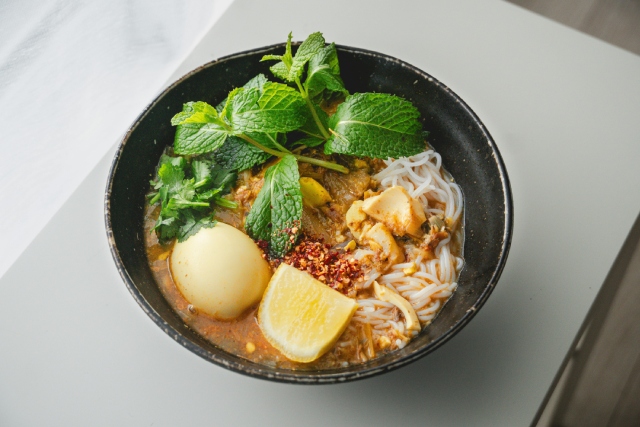
Singapore’s Burmese dining scene may be smaller than its Thai or Vietnamese counterparts, but it’s quietly fascinating. Burmese cuisine draws inspiration from a wide range of international influences, from Chinese to Indian cooking, resulting in dishes that are bold, vibrant, and full of character. Expect layers of flavour—sour, spicy, and deeply savoury notes abound—and plenty of vegetables, especially in salads. Even if you’re not typically a fan of greens, these dishes surprise with the way textures and seasonings transform ordinary ingredients into something truly exciting.
To help you plan your next meal, we’ve also included practical tips on choosing the right Burmese restaurant in Singapore for your tastes and budget, quick shortcuts to match dining occasions, and deeper notes on what makes Burmese cuisine distinctive—all near the end of the article.
Quick Picks: Best Burmese Restaurants for Curious Foodies in Singapore
If you’re short on time, here are the key categories to help you choose:
- Best for First-Timers: Restaurants with concise menus and approachable flavours that introduce Burmese staples gently.
- Best for Stylish Date Nights: Elegant interiors, cocktail programmes, and modern interpretations of classic dishes.
- Best for Café-Style Dining: Relaxed spaces pairing Burmese comfort food with specialty coffee or tea.
- Best for Hearty Set Meals: Homestyle spots offering generous portions and traditional curries.
- Best for Budget-Friendly Discoveries: Hawker stalls or casual eateries where you can sample many dishes affordably.
Best for: Stylish date nights and cocktail-led Burmese dining
Estimated price: From about S$18++ to S$50++ for mains and shared dishes (e.g., wok & fried items ~S$18–S$34; larger mains ~S$39–S$53)
Website: https://www.facebook.com/burmasocial.sg
Location: 34 Tras St, Singapore 079026 / Tanjong Pagar MRT
Note: They also have an outlet at Siglap (East Coast Rd).
Why it made the list:
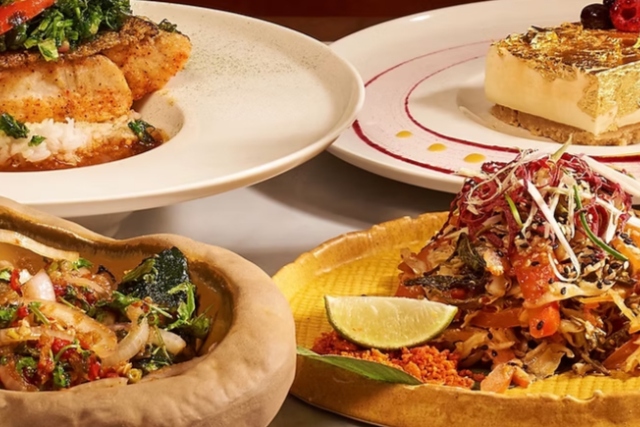
We recommend Burma Social when we want Burmese cuisine dressed up for a night out. Set in a chic Tanjong Pagar shophouse, it feels more like a destination lounge than a typical restaurant, with a ‘Six Kingdoms’ concept that borrows inspiration from Myanmar’s neighbours to create layered, complex flavours. The laphet thoke is a refined take on the classic tea leaf salad, while dishes like the squash curry lamb rack show how confidently the kitchen balances spice, sweetness, and aromatics. We also appreciate the cocktail programme, which is unusually thoughtful for Burmese dining in Singapore, with drinks inspired by regional influences that actually complement the food. Overall, Burma Social stands out because it presents Burmese cuisine as something celebratory and contemporary without losing its depth of flavour.
What to note:
The food can run salty, and service may feel rushed during peak hours due to dining time limits. Prices are also higher than most Burmese restaurants.
2. Inle Myanmar Restaurant
Best for: Authentic Burmese flavours with approachable set meals
Estimated price: From about S$8–S$20++ for typical dishes (e.g., set lunches ~S$8–9; mains ~S$14–15)
Website: https://www.inlemyanmar.com.sg/
Location: City Hall (Peninsula Plaza, #B1-07) / City Hall MRT
Why it made the list:
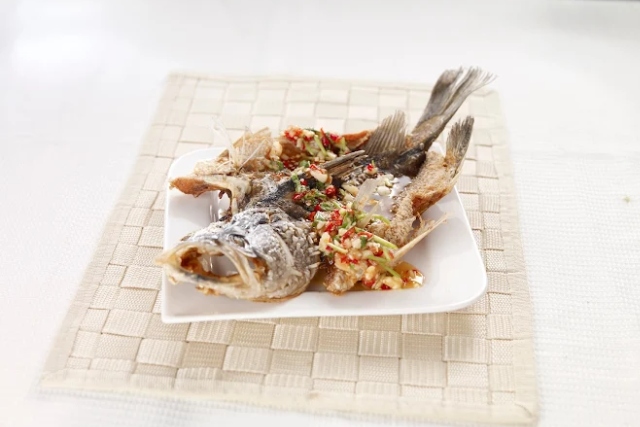
When we want a reliable introduction to Burmese cuisine, Inle Myanmar Restaurant is one of the first places we suggest. Their cooking leans traditional, drawing from family recipes and flavours inspired by Myanmar’s Shan State, yet the taste profiles are clean and balanced enough for Singapore diners who may be new to the cuisine. The mohinga is a highlight, delivering the comforting richness of fish broth and rice vermicelli without overwhelming funk, while the curry noodles and coconut-based oun no kauk swe show how satisfying Burmese comfort food can be. Their all-day set meals also make it easier to explore the menu without overspending, which matters when you’re trying unfamiliar dishes. Inle earns its place on our list because it feels honest and welcoming, a place where we can discover Burmese classics done properly.
What to note:
À la carte items can be pricey, and the spice level may still be intense for sensitive diners, though adjustments are possible.
3. Mandalay Style
Best for: Casual Burmese comfort food and beer nights
Estimated price: Around S$4–S$15++ for most classic Burmese dishes
Website: https://www.mandalaystylerestaurant.sg/
Location: 111 N Bridge Rd, #B1-01 Peninsula Plaza, Singapore 179098 / City Hall MRT
Why it made the list:
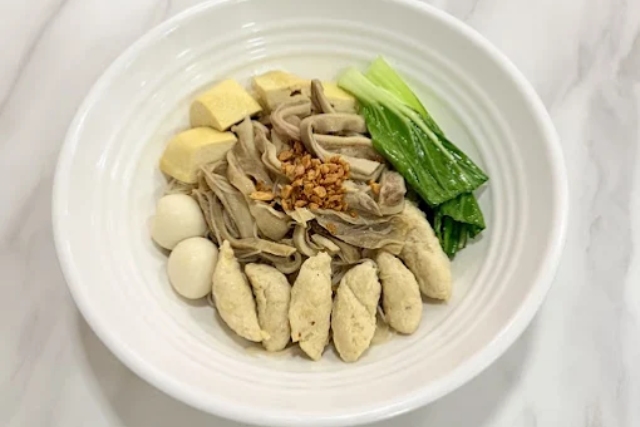
We keep Mandalay Style in our rotation for those evenings when we crave Burmese food that feels unpretentious and deeply comforting. The menu reflects Mandalay street-side cooking traditions—dry noodles tossed in savoury meat sauces, tangy soups, fried snacks, and punchy salads that pair perfectly with beer. The Mandalay Mae Shay noodles are a must, balancing acidity and richness in a way that keeps us coming back, while their fried meats and Myanmar tofu show how well the kitchen handles bold seasoning and texture. It’s also one of the more affordable ways to explore Burmese cuisine in Singapore, which matters when you want to try multiple dishes. Mandalay Style earns our recommendation because it captures the soul of everyday Burmese cooking rather than chasing polish.
What to note:
The setting is simple, and some meats can have a noticeable gamey aroma. Service is friendly but basic, and the space isn’t ideal for special occasions.
4. Club Rangoon
Best for: Contemporary Burmese cuisine for first-timers
Estimated price: From about S$12++ to S$40++ (e.g., appetizers ~S$12–17; mains like mohinga ~S$34; lunch set ~S$34 per person)
Website: https://clubrangoon.sg/
Location: 76 Duxton Rd, Singapore 089535 / Maxwell MRT or Tanjong Pagar MRT
Why it made the list:
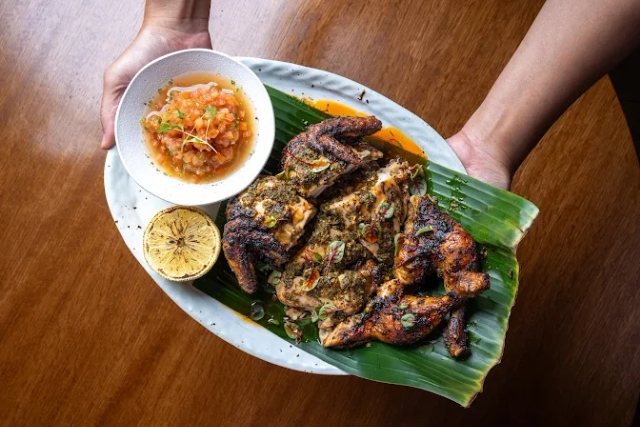
Club Rangoon is where we send friends who are curious about Burmese food but want something modern and thoughtfully presented. Tucked into a heritage Duxton shophouse, the restaurant blends Burmese teahouse inspiration with contemporary design, and the menu is concise but carefully curated. Dishes like the mohinga reinterpret a national classic with finesse, while the wagyu beef cheek dan bauk biryani shows how Burmese flavours can sit comfortably in a more polished dining context. We appreciate that the kitchen keeps the core Burmese flavour pillars—sour, salty, spicy—intact while making them approachable. Club Rangoon stands out because it bridges authenticity and accessibility, making Burmese cuisine feel both exciting and understandable in one sitting.
What to note:
Menus lack photos, which can be tricky for newcomers, and portions are modest for the price. Booking ahead is wise due to limited seating.
5. Avenue’J Cafe
Best for: Café-style Burmese dining and relaxed brunches
Estimated price: From about S$20–S$30++ (cafés and Burmese-influenced mains)
Website: https://www.instagram.com/avenuejsg/
Location: 1 Zubir Said Dr, #01-01, Singapore 227968 / Dhoby Ghaut MRT or Bencoolen MRT
Why it made the list:
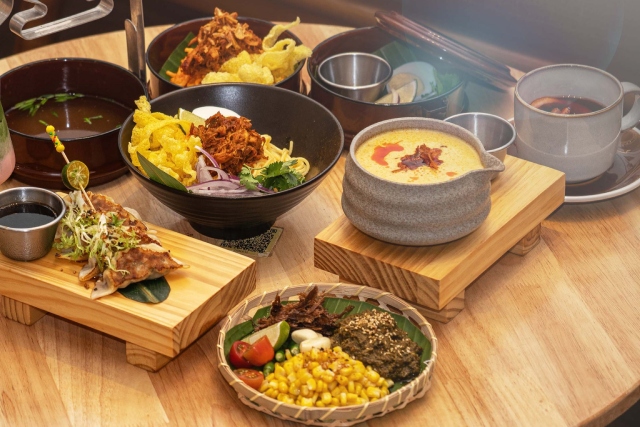
We like Avenue’J Cafe for how gently it introduces Burmese cuisine into Singapore’s café culture. Located within SOTA, the space is warm and minimal, and the menu balances Burmese classics with familiar café comforts. The mohinga and nan gyi thoke are satisfying without being intimidating, and the laphet thoke captures the contrast of textures and flavours that define Burmese cooking. What elevates Avenue’J is its thoughtful drink programme: Myanmar-sourced beans brewed into specialty coffee and Burmese Ceylon tea that adds context to the meal. It’s the sort of place we’d bring a friend who’s curious but cautious, because the environment feels approachable while still rooted in tradition. Avenue’J earns its place because it makes Burmese cuisine feel contemporary, sociable, and easy to love.
What to note:
Ventilation could be stronger, prices lean high for a café setting, and desserts skew Western rather than Burmese.
6. Kay-Tu
Best for: Hearty set meals and comforting homestyle flavours
Estimated price: From about S$10–S$20++ for Burmese dishes.
Website: –
Location: Coleman St, 1, #B1-07, 179803 / City Hall MRT
Note: They also have coffee shop stalls at 90 Boon Lay Place and 5 Soon Lee Street.
Why it made the list:
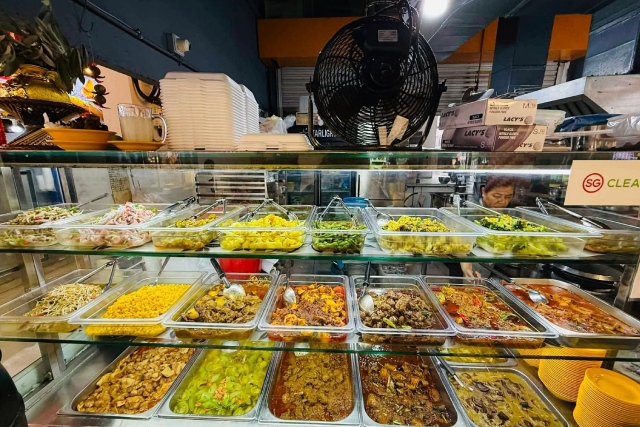
We keep returning to Kay-Tu Myanmar Cuisine when we want Burmese food that feels generous and grounding. Their set meals—typically featuring a rich meat curry with vegetable sides, soup, and free-flow drinks—offer excellent value without compromising flavour. The pepper pork belly set, for instance, shows how confidently the kitchen balances savoury depth with bright, acidic salads and slow-cooked vegetables. We also appreciate the little details: unlimited tea refills, warm hospitality, and a faluda dessert that’s sweet without being cloying. Kay-Tu stands out because it feels like someone’s family kitchen scaled up just enough for guests. It’s not flashy, but the cooking has sincerity and consistency, which we value more than spectacle.
What to note:
The modest setting may not match the pricing, and dishes can run oily or heavy depending on what you order.
7. Chuki Kitchen
Best for: Heartland Burmese discoveries
Estimated price: From about S$10–S$20++ (casual Burmese / fusion eats).
Website: –
Location: 1 W Coast Dr, #01-100, Singapore 128020 / Clementi MRT (then short bus ride)
Why it made the list:
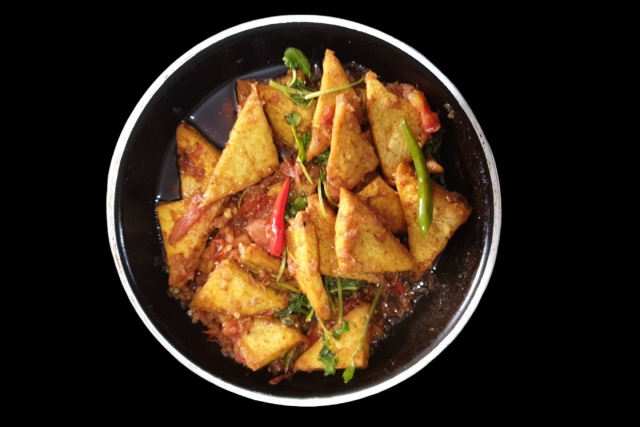
Chuki Kitchen earns our recommendation because it brings Burmese cuisine into Singapore’s neighbourhood dining scene, far from the usual Peninsula Plaza cluster. The menu focuses on fritters, salads, noodles, and rice dishes that highlight the everyday side of Myanmar cooking. Their coconut chicken noodle soup is comforting and aromatic without being overly heavy, while dishes like potato and fried tofu salad showcase the interplay of crunch, creaminess, and spice that defines Burmese cuisine. We also appreciate the helpful menu descriptions, which lower the barrier for newcomers trying unfamiliar dishes. Chuki Kitchen may look modest, but its sincerity and accessibility make it a valuable addition to Singapore’s Burmese food landscape.
What to note:
Service can be uneven, seating is limited, and queues can be confusing during busy periods.
8. Myanmar Express
Best for: Budget-friendly Burmese hawker bites
Estimated price: From about S$5–S$10++ (affordable noodle / quick Burmese eats).
Website: https://www.facebook.com/p/Myanmar-Express-100069897288503/
Location: 411 Balestier Rd, Singapore 329930 / Novena MRT or Toa Payoh MRT (requires bus)
Why it made the list:
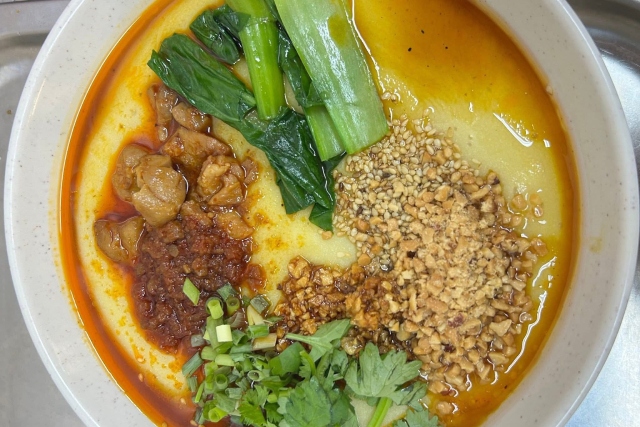
Myanmar Express is where we’d send someone who wants a low-commitment way to try Burmese food. Located in Balestier Market, it operates like a hawker stall with economy rice options alongside noodles, salads, and fritters. The traditional rice salad delivers punchy umami from fermented soy, fish sauce, and herbs, while the dry Mandalay vermicelli offers comforting tanginess and crunch from its toppings. Even the sweet corn fritters are worth a detour—crispy, golden, and lightly sweet. Myanmar Express deserves a spot because it proves Burmese cuisine doesn’t need a fancy setting to be memorable; it just needs honest cooking and bold seasoning.
What to note:
Authenticity varies by dish, menu descriptions are sparse, and the hawker setting may not suit those seeking a full-service dining experience.
How We Chose These Burmese Restaurant Picks
When selecting Burmese restaurants in Singapore, we looked at:
- Authenticity of flavour: Dishes should reflect the core Burmese balance of sour, salty, spicy, and umami, executed with clarity and consistency—think laphet thoke, mohinga, and coconut noodle soups.
- Range and accessibility: Menus should be approachable, staff knowledgeable, and set meals thoughtfully designed to guide first-timers through Burmese cuisine.
- Value relative to experience: We weighed portion sizes, ingredient quality, atmosphere, and how memorable the overall meal felt.
We prioritise restaurants that deliver a genuine Burmese dining experience, rather than just offering a few Burmese-inspired dishes.
What Makes Burmese Cuisine Distinctive
Burmese cooking blends influences from India, China, Thailand, and Laos, yet it remains unmistakably its own. Fermented ingredients like tea leaves and ngapi (fish paste) create deep umami notes, while herbs, citrus, and chilli add brightness. Meals often feature rice alongside multiple curries, salads, dips, and condiments, creating contrast in every bite.
Texture is just as important as flavour. Laphet thoke combines crunchy beans, cabbage, and tea leaves; noodle dishes mix soft vermicelli with crisp fritters or chickpea toppings. Understanding these contrasts helps us appreciate why Burmese cuisine feels both familiar and unique at once.
How to Order Burmese Food for the First Time
A good strategy is to start with three categories: cuisine’s fermented depth, mohinga or coconut noodles show its comfort-food side, and a curry reveals the balance of spice and aromatics. Share dishes if possible—Burmese meals are designed that way.
Don’t hesitate to ask about spice levels or unfamiliar ingredients. Many Burmese restaurants are happy to guide diners through the menu, and trying something unexpected often becomes the highlight of the meal.
Final Thoughts
There isn’t a single “best” Burmese restaurant in town, only the one that fits what you’re craving at that moment. A cosy café might be perfect for a relaxed lunch, while a refined dining room suits a celebration or curious first-timer. By thinking about budget, appetite for spice, and the kind of dining experience you want, you can choose more intentionally and enjoy Burmese cuisine more fully. Besides a great dining experience, the goal should be to explore a culture’s flavours with curiosity and care.
Frequently Asked Questions (FAQ)
1. Why are many prominent Burmese eateries concentrated around the City Hall area?
Peninsula Plaza has served as the unofficial “Little Burma” of Singapore for decades, acting as a central hub for the diaspora to gather and trade. While excellent standalone restaurants exist across the island, this cluster offers a unique opportunity to find niche grocery imports and traditional street snacks that are rarely found on mainstream menus.
2. How easily can Burmese dishes be adapted for a vegan or vegetarian diet?
Burmese cuisine is remarkably plant-forward, utilizing a vast array of legumes, fermented greens, and root vegetables. While fish sauce and dried shrimp are common seasoning agents, most kitchens can prepare “that-thalo” (meat-free) versions of salads and noodle dishes upon request, as many locals observe vegetarianism during Buddhist Lent.
3. Does the caffeine content in Tea Leaf Salad (Lahpet Thoke) affect diners?
Because the dish uses whole, fermented tea leaves rather than a water-based infusion, it retains a significant amount of caffeine. It is traditionally consumed as a stimulant to aid digestion or stay alert; those sensitive to caffeine may prefer enjoying it as a lunch item rather than a late-evening snack.
4. Is it customary to order individual portions or share dishes family-style?
While noodle soups like Mohinga are typically served as individual bowls, a traditional Burmese meal is a communal experience centered around rice. Ordering a variety of curries and “thoke” (salads) for the table allows you to balance the mandatory flavor profile of “chin ngan sat”—sour, salty, and spicy—which is best achieved by mixing different dishes onto your plate.